















Personalized Advertising | Mall Media | A Game Changer for Retail
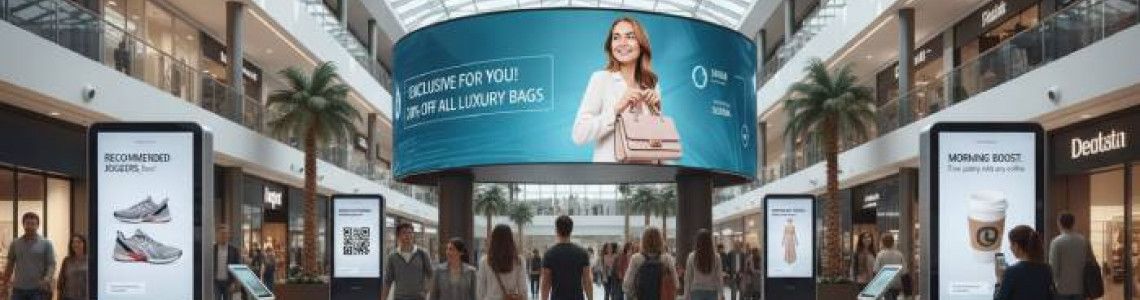
In an age where consumers are inundated with advertisements, generic marketing campaigns no longer cut through the noise. Retailers are increasingly turning to personalized advertising in mall media as a strategic solution to connect with shoppers in meaningful ways. This approach leverages data, technology, and consumer behavior insights to deliver targeted messaging that resonates with each individual, transforming the retail experience and driving measurable results.
What is Personalized Advertising in Mall Media?
Personalized advertising in mall media refers to marketing campaigns displayed on digital screens, kiosks, and interactive displays within malls that are tailored to the preferences, demographics, and shopping habits of individual consumers. Unlike traditional mall advertisements, which broadcast the same message to all visitors, personalized campaigns adapt in real-time to engage shoppers based on relevant data points.
Examples include:
-
Dynamic digital signage showing products based on shopper footfall patterns.
-
Interactive kiosks offering promotions aligned with past purchase behavior.
-
Geo-targeted notifications on shoppers’ mobile devices while they navigate the mall.
Why Retailers Are Embracing Personalized Mall Advertising
-
Enhanced Shopper Engagement
Personalized content captures attention more effectively than generic ads. Shoppers are more likely to interact with promotions that reflect their interests, increasing dwell time and engagement within retail spaces. -
Increased Conversion Rates
Targeted advertisements drive higher conversion because the messaging is relevant. For instance, a digital display highlighting a sale on women’s apparel in a store known for female shoppers is far more likely to result in a purchase. -
Data-Driven Insights
Mall media platforms collect valuable consumer data, enabling retailers to refine campaigns continuously. Insights into demographics, peak footfall hours, and shopper preferences allow for hyper-personalized messaging that improves ROI. -
Elevated Brand Experience
Personalized advertising creates a sense of recognition and connection with shoppers. When brands acknowledge individual preferences, it enhances loyalty and positions the retailer as customer-centric.
Technologies Driving Personalization in Mall Media
Several advanced technologies have made personalized advertising possible in the retail space:
-
AI and Machine Learning: Analyze consumer behavior patterns to deliver the most relevant ads.
-
Beacon and Geofencing Technology: Detect shopper location and trigger location-specific promotions.
-
Facial Recognition (Optional and Privacy-Compliant): Adjust content based on demographic data, such as age or gender.
-
CRM Integration: Connect mall media campaigns with loyalty programs and past purchases for tailored offers.
Best Practices for Retailers
To maximize the effectiveness of personalized mall advertising, retailers should:
-
Maintain strict data privacy standards to build consumer trust.
-
Use A/B testing to identify the most impactful messaging.
-
Integrate mobile and in-mall campaigns for seamless omnichannel experiences.
-
Continuously analyze performance metrics to refine personalization strategies.
The Future of Retail Marketing
As malls evolve into experience-driven destinations, personalized advertising will become a cornerstone of retail marketing. By combining digital innovation, data analytics, and consumer insights, retailers can create immersive, relevant, and memorable experiences that drive engagement, loyalty, and sales.
Personalized advertising in mall media is no longer just a trend—it’s a game-changer for retail brands that want to stay competitive in an increasingly consumer-centric world.
Elyts Advertising and Branding Solutions | www.elyts.in (India) | www.elyts.agency (UAE)
Related Products


Leave a Comment