










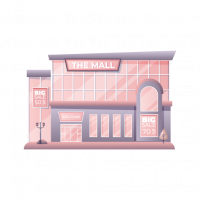





Omnichannel Marketing | Connecting Online | Offline Customer
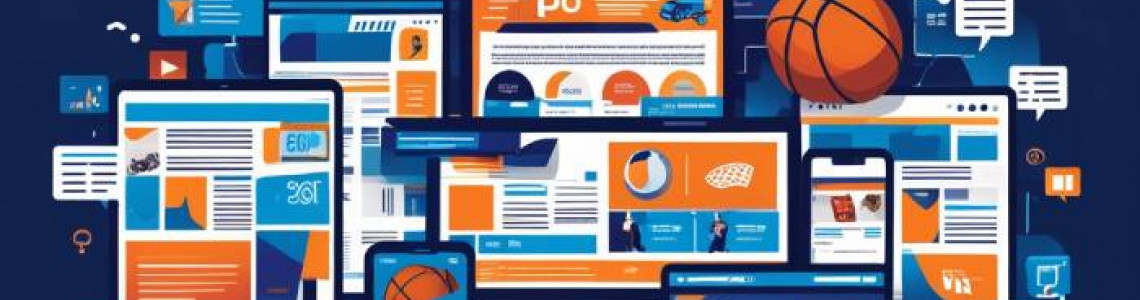
In today’s digitally-driven marketplace, consumers expect seamless brand experiences across every touchpoint—whether they discover a product on Instagram, visit the website, receive an email offer, or walk into a physical store. This shift has made omnichannel marketing one of the most powerful strategies for modern brands. Unlike multichannel approaches, which only place brands across different platforms, omnichannel marketing ensures consistent, personalized, and interconnected experiences across online and offline channels.
Here’s how businesses can build impactful omnichannel strategies that unify customer journeys and boost conversions.
What Is Omnichannel Marketing?
Omnichannel marketing is an integrated approach that combines all customer touchpoints—digital and physical—into one unified experience. This means social media, websites, apps, email marketing, SMS, retail stores, call centers, and even outdoor advertising work together to guide the customer through a smooth and frictionless journey.
It focuses on customer-centric communication, consistent messaging, and personalization across all platforms.
Why Omnichannel Matters Today
-
Customers use multiple touchpoints before making a purchase.
-
Consistency builds trust, increasing customer lifetime value.
-
Personalized interactions encourage engagement and loyalty.
-
Brands can track behavior holistically using integrated analytics.
-
Offline and online channels complement each other, strengthening brand equity.
Key Components of a Successful Omnichannel Strategy
1. Unified Customer Data Platform (CDP)
Centralizing customer data is the backbone of any omnichannel strategy. A CDP collects data from all touchpoints—website interactions, store visits, purchase history, email engagement, etc.—to build complete customer profiles. This allows brands to deliver hyper-personalized experiences.
2. Consistent Messaging Across Channels
No matter where customers interact with you, your brand’s tone, visuals, offers, and experience should remain consistent. This improves brand recall and eliminates confusion.
3. Integrating Online and Offline Channels
Examples include:
-
Online wishlists accessible in-store.
-
QR codes linking in-store displays to product videos.
-
Click-and-collect services.
-
In-store inventory visibility on websites.
Such integrations enhance convenience and bridge the online-offline gap.
4. Personalized Customer Journeys
Using AI and behavior analytics, brands can deliver tailored content, product recommendations, and offers. Personalization ensures customers feel seen, understood, and valued.
5. Seamless Mobile Experience
With mobile becoming the primary interaction device, responsive websites, mobile apps, and SMS marketing play a crucial role in omnichannel ecosystems.
6. Consistent Customer Support
Whether customers connect via chatbots, call centers, WhatsApp, or physical stores, support experiences must remain equally informed and efficient.
Practical Omnichannel Marketing Examples
✔ Click-and-Collect Services
Customers order online and pick up items in-store, merging online convenience with offline speed.
✔ Retargeting Across Platforms
A customer who views a product on a brand’s website may receive personalized ads on Instagram or Google.
✔ Loyalty Programs
Points earned online can be redeemed offline—and vice versa—encouraging repeat purchases.
✔ In-Store Digital Tools
Virtual try-ons, digital kiosks, and mobile payments enhance the physical experience using digital innovation.
Benefits of Omnichannel Marketing
-
Higher customer retention and satisfaction
-
Increased sales through upselling and cross-selling
-
More accurate data-driven decision making
-
Stronger brand loyalty and trust
-
Improved marketing ROI
Steps to Build an Omnichannel Marketing Strategy
-
Map the complete customer journey from discovery to purchase.
-
Identify key touchpoints—digital and physical.
-
Integrate data across all platforms into a single system.
-
Use automation tools for personalization and campaign optimization.
-
Maintain consistent branding across every channel.
-
Test, measure, and continuously refine your strategy.
The Future of Omnichannel Marketing
Emerging technologies like AI, AR/VR, IoT, and predictive analytics will further enhance omnichannel experiences. Customers will expect deeper personalization, real-time interactions, and frictionless transitions between online and offline channels. Brands that adapt early will stay ahead of competition and build long-lasting customer relationships.
Conclusion
Omnichannel marketing is no longer optional—it’s essential for businesses that want to remain competitive. By unifying online and offline journeys, brands can create personalized, consistent, and memorable experiences that lead to stronger customer loyalty and higher conversions. The brands that master this strategy will define the future of customer engagement.
Elyts Advertising and Branding Solutions | www.elyts.in (India) | www.elyts.agency (UAE)
Related Products



Leave a Comment