










Mainline Media | Digitally | Powerful 360° Marketing Campaigns
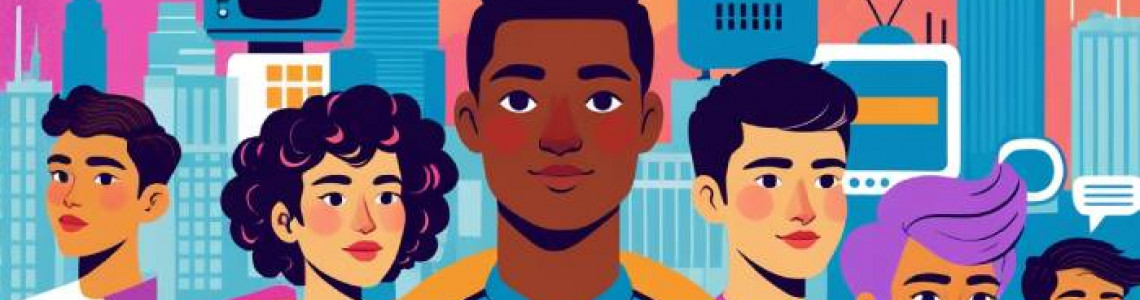
In today’s fragmented media landscape, brands can no longer rely on a single channel to capture attention and drive meaningful engagement. Consumers switch seamlessly between television, newspapers, smartphones, social media, and search engines throughout the day. This shift has made 360° marketing campaigns—where mainline media and digital media work together—essential for brands aiming to build awareness, trust, and conversions at scale.
Understanding Mainline Media and Digital Media
Mainline media includes traditional mass channels such as television, print (newspapers and magazines), and radio. These platforms excel at building credibility, mass reach, and long-term brand recall.
Digital media, on the other hand, includes social media, search engines, display ads, video platforms, websites, and mobile apps. Digital channels are known for precise targeting, real-time optimization, performance tracking, and direct response.
When combined strategically, these two forces create campaigns that are both impactful and measurable.
Why 360° Marketing Campaigns Matter Today
Modern consumers don’t follow linear buying journeys. They may see a TV commercial, read a newspaper ad, search the brand online, and finally convert through a digital ad or website. A 360° approach ensures your brand stays visible and consistent at every touchpoint.
Key benefits include:
-
Stronger brand recall through repeated exposure
-
Higher trust due to mainline media credibility
-
Improved conversions via digital engagement
-
Better ROI through integrated planning
How Mainline Media Amplifies Digital Performance
Mainline media plays a powerful role in driving digital success. A well-timed TV or print campaign often leads to spikes in:
-
Branded search queries
-
Website traffic
-
Social media engagement
-
App downloads
Television and print create awareness at scale, while digital platforms capture and convert that interest efficiently.
How Digital Enhances Mainline Media Impact
Digital media complements mainline campaigns by extending their lifespan and reach. For example:
-
TV ads can be supported with YouTube, OTT, and social video campaigns
-
Print ads can include QR codes leading to landing pages
-
Radio campaigns can be paired with location-based mobile ads
Digital also enables retargeting, ensuring audiences exposed to mainline media are re-engaged online with personalized messaging.
Key Elements of a Successful 360° Campaign
-
Unified Brand Messaging
Consistent visuals, tone, and messaging across TV, print, social, and digital ads reinforce brand identity and recall. -
Audience-Centric Media Planning
Use mainline media for mass awareness and digital channels for audience segmentation and personalization. -
Cross-Channel Data Integration
Combine TV reach data with digital analytics to understand audience behavior and optimize performance. -
Sequential Storytelling
Introduce the brand through mainline media and continue the story digitally with deeper product information, testimonials, and offers. -
Performance Measurement & Optimization
Track metrics such as reach, engagement, conversions, and attribution across channels to maximize ROI.
Industries That Benefit Most from Mainline + Digital Campaigns
-
FMCG & Retail – Mass awareness with digital-led conversions
-
Real Estate – Trust-building through print and TV, lead generation via digital
-
Automobiles – High-impact launches supported by online research and inquiries
-
Education & Healthcare – Credibility through mainline media, engagement through digital
Future of Integrated Marketing Campaigns
As media consumption continues to evolve, the line between mainline and digital will blur further. Innovations such as connected TV (CTV), programmatic DOOH, AI-driven targeting, and advanced attribution models will make integrated campaigns even more powerful and accountable.
Brands that invest in holistic, well-synchronized media strategies will stand out in cluttered markets and build lasting consumer relationships.
Conclusion
Mainline media and digital media are no longer competing forces—they are complementary pillars of effective marketing. By combining the scale and trust of mainline media with the precision and measurability of digital, brands can create powerful 360° marketing campaigns that drive awareness, engagement, and business growth. In an age of constant media consumption, integration is not optional—it’s the key to sustainable success.
Elyts Advertising and Branding Solutions | www.elyts.in (India) | www.elyts.agency (UAE)
Related Products
Leave a Comment