
















Hyper Personalization in Digital Marketing | Customer Loyalty
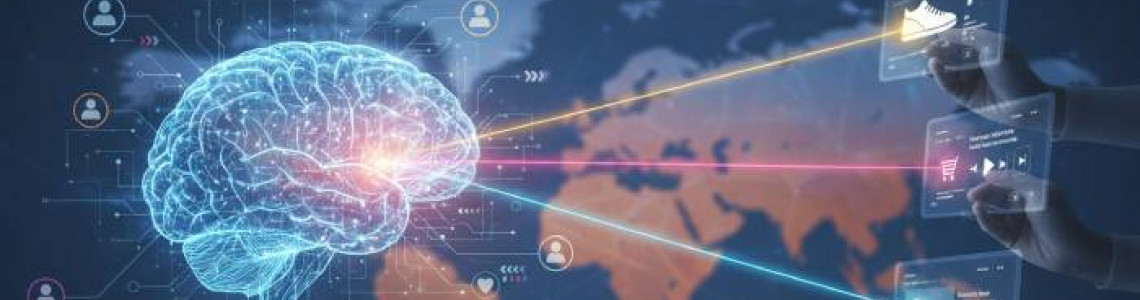
In today’s competitive digital landscape, generic marketing no longer delivers results. Customers expect brands to understand their preferences, anticipate their needs, and deliver tailored experiences in real time. This is where hyper-personalization in digital marketing becomes a game-changer.
Unlike traditional personalization—such as using a customer’s first name in an email—hyper-personalization uses real-time data, AI, and behavioral insights to create highly individualized experiences across every touchpoint. Brands that master this strategy don’t just increase conversions—they build long-term customer loyalty.
Let’s explore how hyper-personalization works and why it is the future of digital marketing.
What Is Hyper-Personalization?
Hyper-personalization is an advanced marketing approach that leverages:
-
Artificial Intelligence (AI)
-
Machine Learning (ML)
-
Real-time behavioral data
-
Predictive analytics
-
Customer journey mapping
Instead of segmenting customers into broad groups, hyper-personalization focuses on individual behaviors, preferences, browsing history, purchase patterns, and engagement signals.
For example:
-
E-commerce platforms recommending products based on browsing behavior
-
OTT platforms suggesting content aligned with viewing habits
-
Brands sending dynamic offers based on location and time
It’s marketing tailored to the individual—not the audience segment.
Why Hyper-Personalization Matters in 2026
Consumer expectations have evolved dramatically. Today’s customers want:
-
Instant relevance
-
Seamless omnichannel experiences
-
Personalized recommendations
-
Context-aware communication
Studies consistently show that personalized experiences increase engagement rates, improve customer satisfaction, and boost lifetime value.
In 2026 and beyond, brands that fail to personalize risk losing customers to competitors who offer smarter, more tailored experiences.
Key Benefits of Hyper-Personalization
1. Higher Conversion Rates
When customers receive relevant offers at the right moment, they are more likely to take action. Personalized product suggestions, targeted ads, and customized landing pages significantly improve conversion performance.
2. Improved Customer Loyalty
Customers stay loyal to brands that “understand” them. Hyper-personalization fosters emotional connections, making customers feel valued rather than targeted.
3. Better Customer Retention
Predictive analytics can identify churn signals early. Brands can proactively send retention offers or tailored engagement campaigns to keep customers engaged.
4. Enhanced Customer Experience
Seamless personalization across email, websites, mobile apps, and social media creates a consistent and frictionless journey.
5. Increased ROI
By targeting the right audience with precise messaging, marketing budgets are optimized and wasted ad spend is minimized.
Technologies Powering Hyper-Personalization
To implement hyper-personalization effectively, brands rely on advanced technologies:
Artificial Intelligence & Machine Learning
AI analyzes massive datasets to predict customer behavior and automate personalization at scale.
Customer Data Platforms (CDPs)
CDPs unify data from multiple channels into a single customer profile, enabling real-time insights.
Predictive Analytics
Predictive models anticipate customer needs before they arise, enabling proactive marketing.
Marketing Automation
Automation tools deliver dynamic content based on triggers such as browsing behavior, cart abandonment, or location changes.
Real-World Examples of Hyper-Personalization
Amazon
Product recommendations based on previous purchases and browsing patterns drive a significant portion of revenue.
Netflix
AI-powered content suggestions increase viewer retention and engagement.
Spotify
Personalized playlists like “Discover Weekly” create emotional engagement and brand stickiness.
These brands succeed because personalization is embedded into their core strategy.
How to Implement Hyper-Personalization in Your Strategy
1. Collect First-Party Data
With third-party cookies declining, brands must prioritize first-party data through website interactions, CRM systems, and customer feedback.
2. Invest in Data Integration
Break down silos. Integrate website, mobile, email, and social media data for a unified view of the customer.
3. Use Behavioral Triggers
Set up automated workflows based on user behavior, such as:
-
Abandoned cart reminders
-
Re-engagement emails
-
Location-based offers
4. Focus on Omnichannel Consistency
Ensure personalization is consistent across all touchpoints—ads, emails, apps, and websites.
5. Prioritize Data Privacy
Transparency builds trust. Clearly communicate how data is collected and used. Compliance with data protection regulations strengthens customer confidence.
Challenges of Hyper-Personalization
While powerful, hyper-personalization comes with challenges:
-
Data privacy concerns
-
High technology investment
-
Complex data management
-
Risk of over-personalization (which may feel intrusive)
The key is balance—deliver value without crossing privacy boundaries.
The Future of Hyper-Personalization
The future of digital marketing will be defined by:
-
AI-driven conversational marketing
-
Real-time predictive experiences
-
Voice and visual search personalization
-
Dynamic website experiences for each visitor
-
Emotion-based marketing powered by behavioral analytics
As AI becomes more sophisticated, personalization will evolve from reactive to predictive and even intuitive.
Conclusion
Hyper-personalization in digital marketing is no longer optional—it is essential for brands seeking sustainable growth and customer loyalty.
By leveraging AI, first-party data, and predictive analytics, businesses can deliver meaningful, relevant experiences that resonate with individual customers. The result? Stronger engagement, higher retention, and long-term brand loyalty.
Elyts Advertising and Branding Solutions | www.elyts.in (India) | www.elyts.agency (UAE)
Related Products




Leave a Comment