















Conversion Rate Optimization | Techniques That Actually Work
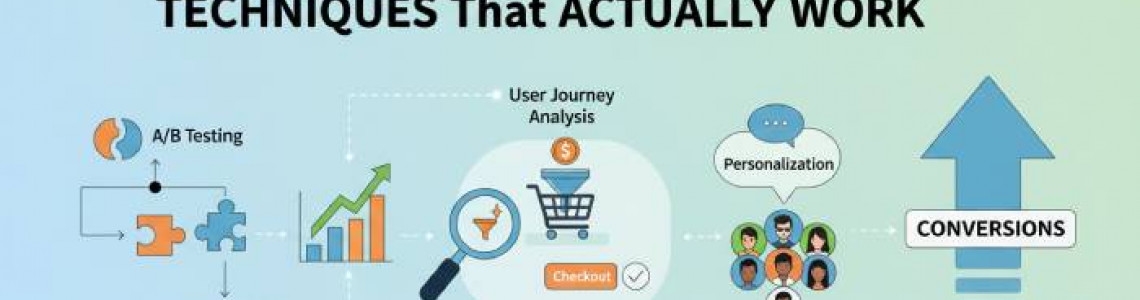
In today’s competitive digital landscape, driving traffic to your website is only half the battle. The real success lies in converting that traffic into leads, subscribers, and paying customers. That’s where Conversion Rate Optimization (CRO) comes in.
CRO is the strategic process of improving your website or landing page experience to increase the percentage of visitors who take a desired action. Whether it’s filling out a form, making a purchase, or booking a consultation, effective CRO techniques can significantly boost revenue without increasing ad spend.
Let’s explore the CRO techniques that actually work in 2026 and beyond.
What is Conversion Rate Optimization?
Conversion Rate Optimization (CRO) is a data-driven approach focused on improving user experience, removing friction, and guiding visitors toward completing specific goals.
Conversion Rate Formula:
Conversion Rate = (Conversions ÷ Total Visitors) × 100
Even a small improvement—from 2% to 3%—can result in a 50% revenue increase without additional marketing costs.
1. Optimize Above-the-Fold Content
Visitors form opinions about your website in seconds. The top section of your page must clearly communicate:
-
What you offer
-
Who it’s for
-
Why it matters
-
What action to take next
What Works:
-
Clear and benefit-driven headline
-
Subheadline addressing pain points
-
One primary CTA (Call-to-Action)
-
Minimal distractions
Clarity converts better than cleverness.
2. Improve Website Speed and Performance
Page speed directly impacts conversions. A delay of even one second can reduce conversions significantly.
Action Steps:
-
Compress images
-
Minimize JavaScript
-
Use CDN (Content Delivery Network)
-
Optimize for mobile-first experience
Faster websites reduce bounce rates and increase user engagement.
3. Simplify Forms
Long forms are conversion killers. Ask only for essential information.
Proven Techniques:
-
Reduce the number of form fields
-
Use multi-step forms for complex data
-
Enable autofill
-
Add trust signals (privacy assurance)
Shorter forms increase completion rates dramatically.
4. Use A/B Testing Strategically
CRO without testing is guesswork. A/B testing helps you compare two variations and determine what performs better.
Test Elements Like:
-
Headlines
-
CTA button color and text
-
Images
-
Pricing display
-
Layout changes
Test one variable at a time for accurate results.
5. Strengthen Your Call-to-Action (CTA)
Generic CTAs like “Submit” or “Click Here” don’t inspire action.
High-Converting CTA Examples:
-
“Get My Free Strategy”
-
“Start Your Free Trial”
-
“Book My Consultation”
-
“Download the Free Guide”
Make CTAs action-oriented, benefit-focused, and urgent.
6. Leverage Social Proof
People trust people. Adding social proof builds credibility and reduces hesitation.
Types of Social Proof:
-
Customer testimonials
-
Case studies
-
Reviews and ratings
-
Trust badges
-
Client logos
-
User-generated content
Show measurable results wherever possible.
7. Optimize for Mobile Users
In 2026, most traffic comes from mobile devices. A desktop-only CRO strategy will fail.
Mobile Optimization Checklist:
-
Thumb-friendly buttons
-
Fast-loading pages
-
Simple navigation
-
Sticky CTA buttons
-
Minimal pop-ups
Mobile experience directly impacts conversion rates.
8. Use Exit-Intent Popups Wisely
When used correctly, exit-intent popups can recover lost conversions.
Offer:
-
Discount code
-
Free downloadable resource
-
Limited-time offer
-
Free consultation
Keep it simple and value-driven—not intrusive.
9. Improve Landing Page Relevance
Your landing page must match the intent of the traffic source.
For example:
-
Google Ads → High-intent, solution-focused copy
-
Social Media Ads → Emotion-driven and visual content
-
Email Campaigns → Personalized messaging
Message match increases trust and conversions.
10. Use Heatmaps and User Behavior Analytics
Data reveals where users click, scroll, and drop off.
Tools like heatmaps and session recordings help identify:
-
Dead clicks
-
Scroll depth issues
-
Confusing layouts
-
Friction points
Fixing user experience problems can drastically improve conversions.
11. Reduce Decision Fatigue
Too many options overwhelm visitors.
Simplification Strategies:
-
Limit product choices
-
Highlight recommended plans
-
Remove unnecessary navigation on landing pages
-
Focus on one primary goal per page
Focused pages convert better.
12. Create a Sense of Urgency and Scarcity
Psychology plays a powerful role in CRO.
Examples:
-
“Only 3 spots left”
-
Countdown timers
-
Limited-time offers
-
Early-bird pricing
Urgency encourages faster decision-making.
13. Personalize User Experience
Personalization increases engagement and relevance.
Methods:
-
Location-based offers
-
Returning visitor messaging
-
Dynamic content
-
Behavior-triggered emails
Relevant content converts better than generic messaging.
14. Build Trust with Transparency
Trust is the foundation of conversions.
Add:
-
Clear pricing
-
FAQs
-
Refund policy
-
Contact information
-
Real team photos
Transparency reduces anxiety and builds confidence.
Common CRO Mistakes to Avoid
-
Copying competitors blindly
-
Ignoring mobile optimization
-
Testing too many variables at once
-
Relying on assumptions instead of data
-
Overusing popups
CRO is a continuous process, not a one-time fix.
Final Thoughts
Conversion Rate Optimization is one of the most cost-effective growth strategies available. Instead of spending more on ads, focus on converting more of your existing traffic.
The CRO techniques that actually work are simple:
-
Improve clarity
-
Reduce friction
-
Build trust
-
Test consistently
-
Optimize for user intent
When executed strategically, CRO can transform your website into a high-performing conversion engine.
Elyts Advertising and Branding Solutions | www.elyts.in (India) | www.elyts.agency (UAE)
Related Products



Leave a Comment