










Brands | Blending Mainline Media | Digitally | Maximum Reach
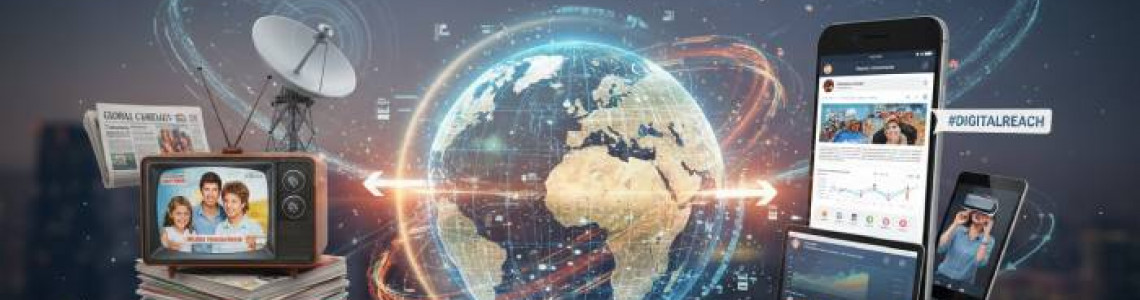
In today’s fragmented media landscape, brands can no longer rely on a single channel to connect with their audience. While digital marketing offers precision and measurability, mainline media—such as television, print, radio, and cinema—still delivers unmatched mass reach and credibility. The real competitive advantage lies in blending these two worlds strategically. Brands that integrate mainline media with digital marketing are achieving greater visibility, stronger engagement, and higher returns on investment.
Why Mainline Media Still Matters
Despite the rapid rise of digital platforms, mainline media continues to play a vital role in brand building. Television commercials, newspaper ads, radio jingles, and cinema branding help establish trust and legitimacy at scale. These channels are particularly effective for:
-
Launching new brands or products
-
Building top-of-mind awareness
-
Reaching diverse and non-digital-first audiences
-
Creating emotional impact through storytelling
However, mainline media on its own lacks the targeting depth and real-time performance tracking that modern marketers demand.
The Power of Digital Marketing
Digital marketing complements traditional media by offering precision, flexibility, and measurable outcomes. Platforms such as social media, search engines, OTT apps, influencer marketing, and programmatic ads enable brands to:
-
Target specific demographics and interests
-
Retarget audiences exposed to mainline media
-
Measure engagement, conversions, and ROI
-
Optimize campaigns in real time
When combined with mainline media, digital marketing extends the life and impact of offline campaigns.
How Brands Are Successfully Blending Both Channels
1. Using Mainline Media to Drive Digital Action
Brands are increasingly using TV, print, and radio to push audiences toward digital touchpoints. QR codes, branded hashtags, website URLs, and app download prompts are seamlessly integrated into offline creatives. This approach turns passive viewers into active digital participants.
2. Synchronizing Campaign Messaging Across Platforms
Successful brands maintain consistent messaging across mainline and digital channels. A television campaign is reinforced through social media videos, display ads, and search campaigns using the same visuals, tone, and call-to-action. This repetition improves recall and strengthens brand identity.
3. Leveraging Data from Digital to Optimize Mainline Media
Digital analytics now influence traditional media planning. Insights from search trends, social engagement, and audience behavior help brands decide where, when, and how to invest in mainline media. This data-driven approach reduces wastage and improves media efficiency.
4. Retargeting Offline Audiences Online
Advanced technologies allow brands to retarget users who have been exposed to TV or print ads with follow-up digital ads. For example, viewers of a TV commercial may later see personalized ads on social media or OTT platforms, reinforcing the message and nudging them toward conversion.
5. Integrating Influencers and Content Creators
Influencer marketing acts as a bridge between traditional and digital media. Brands often launch campaigns on television or print and amplify them through influencers who create relatable, platform-specific content. This adds authenticity and encourages organic engagement.
Benefits of an Integrated Mainline–Digital Strategy
-
Maximum Reach: Combines mass exposure with targeted visibility
-
Stronger Brand Recall: Repeated exposure across channels reinforces memory
-
Higher Engagement: Digital touchpoints encourage interaction and action
-
Improved ROI: Data-driven optimization reduces wasted impressions
-
Seamless Customer Journey: Consumers move smoothly from awareness to conversion
The Future of Integrated Marketing
As consumer attention spans continue to shrink, the line between mainline and digital media will blur further. Smart TVs, connected radio, digital newspapers, and data-enabled outdoor advertising are accelerating this convergence. Brands that adopt an integrated, omnichannel mindset will be better positioned to stay relevant and competitive.
Conclusion
Blending mainline media with digital marketing is no longer optional—it’s essential. Mainline media builds scale and trust, while digital marketing delivers precision and performance. Together, they create powerful, high-impact campaigns that reach the right audience at the right time across multiple touchpoints. Brands that master this integration are not just increasing reach—they’re building stronger, more meaningful connections with their consumers.
Elyts Advertising and Branding Solutions | www.elyts.in (India) | www.elyts.agency (UAE)
Related Products
Leave a Comment