
















How Augmented Reality Is Shaping Digital Marketing Experiences
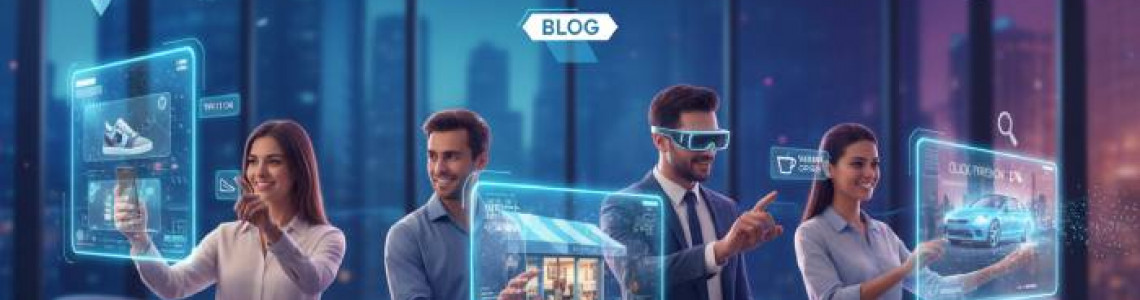
Digital marketing is evolving faster than ever, and Augmented Reality (AR) has emerged as one of the most powerful tools redefining how brands connect with consumers. By blending digital elements with the real world, AR creates immersive, interactive, and personalized experiences that go far beyond traditional advertising. As customer attention spans shrink and competition intensifies, AR is becoming a game-changer for brands looking to stand out and drive meaningful engagement.
What Is Augmented Reality in Digital Marketing?
Augmented Reality overlays digital content—such as images, animations, sounds, or data—onto the physical environment through smartphones, tablets, or AR-enabled devices. In digital marketing, AR allows users to interact with products and brands in real time, making the customer journey more experiential and memorable.
Unlike virtual reality, AR does not require special headsets, making it highly accessible and scalable for marketing campaigns.
Why Augmented Reality Matters in Modern Marketing
1. Enhanced Customer Engagement
AR transforms passive viewers into active participants. Interactive experiences such as virtual try-ons, 3D product previews, and branded filters keep users engaged longer and increase brand recall.
2. Improved Purchase Confidence
By allowing customers to visualize products in real-world settings, AR reduces uncertainty. Whether it’s trying on makeup or placing furniture in a living room, AR helps consumers make informed buying decisions.
3. Personalized Brand Experiences
AR campaigns can be tailored based on user behavior, preferences, or location, delivering personalized content that resonates deeply with individual users.
Key Ways Augmented Reality Is Shaping Digital Marketing
1. Virtual Try-Ons and Product Demos
AR enables customers to try products before purchasing. Fashion brands offer virtual fitting rooms, while beauty brands allow users to test makeup shades through their smartphones—boosting conversion rates and reducing returns.
2. Interactive Advertising Campaigns
AR-powered ads invite users to engage directly with the brand. From scanning QR codes to unlocking animated experiences, interactive AR ads drive higher click-through rates compared to static formats.
3. AR in Social Media Marketing
Social platforms have become major AR hubs. Branded filters, lenses, and effects on social media help brands increase visibility, encourage user-generated content, and go viral organically.
4. Immersive Retail and E-Commerce Experiences
AR bridges the gap between online and offline shopping. Retailers use AR to recreate in-store experiences digitally, enhancing customer satisfaction and loyalty.
5. Location-Based AR Marketing
Brands leverage AR to deliver context-aware experiences. Location-specific AR content—such as interactive billboards or in-store navigation—enhances real-world engagement.
Benefits of Augmented Reality for Brands
-
Higher Engagement Rates: Interactive experiences capture attention longer
-
Stronger Brand Recall: Immersive storytelling leaves lasting impressions
-
Better Conversion Rates: Visual clarity builds trust and confidence
-
Reduced Product Returns: Customers know what they’re buying
-
Data-Driven Insights: AR interactions provide valuable consumer behavior data
Challenges in AR Marketing Adoption
Despite its advantages, AR marketing does come with challenges:
-
High initial development costs
-
Technical compatibility across devices
-
Need for creative expertise and strategic planning
However, advancements in mobile technology and AR development platforms are rapidly reducing these barriers.
The Future of Augmented Reality in Digital Marketing
As AR technology becomes more affordable and integrated with AI, machine learning, and 5G, its role in digital marketing will continue to expand. Future AR experiences will be more intelligent, hyper-personalized, and seamlessly embedded into everyday consumer interactions.
Brands that adopt AR early will gain a significant competitive advantage by delivering next-generation customer experiences that blend creativity, technology, and personalization.
Conclusion
Augmented Reality is no longer a futuristic concept—it is actively shaping the present and future of digital marketing. By creating immersive, interactive, and personalized experiences, AR helps brands build deeper emotional connections with their audiences. As consumer expectations evolve, integrating AR into digital marketing strategies will be essential for brands aiming to stay relevant, innovative, and impactful.
Elyts Advertising and Branding Solutions | www.elyts.in (India) | www.elyts.agency (UAE)
Related Products





Leave a Comment