
















How AI and Analytics | Transforming Mall Media Campaigns | Elyts
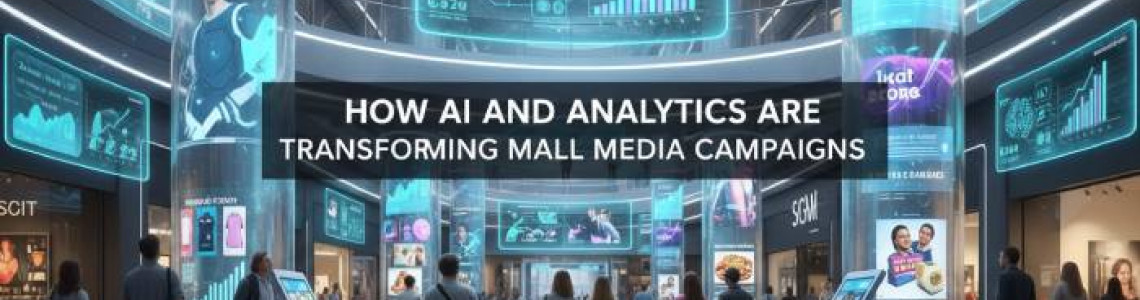
Mall media has evolved far beyond static hoardings and generic brand placements. In today’s data-driven advertising landscape, Artificial Intelligence (AI) and advanced analytics are reshaping how brands communicate with shoppers inside malls. From personalized messaging to real-time performance optimization, AI-powered mall media campaigns are delivering higher engagement, measurable ROI, and smarter audience targeting.
The Rise of Data-Driven Mall Advertising
Shopping malls generate massive amounts of consumer data—footfall patterns, dwell time, peak hours, store visit sequences, and purchasing behavior. AI and analytics convert this raw data into actionable insights, enabling advertisers to design campaigns that are relevant, timely, and location-specific.
Unlike traditional mall advertising, which relied heavily on estimated reach, modern mall media now offers precision, personalization, and performance tracking.
AI-Powered Audience Targeting in Malls
AI algorithms analyze visitor demographics, behavior patterns, and movement trends to identify high-value audiences. This allows brands to:
-
Segment shoppers based on age, gender, interests, and visit frequency
-
Deliver tailored ad creatives for different shopper groups
-
Optimize placements based on shopper intent and proximity to stores
For example, a fashion brand can target young adults during evening hours, while a family-focused brand can increase visibility during weekends.
Real-Time Content Optimization Using Analytics
One of the biggest advantages of AI in mall media is real-time decision-making. Analytics platforms continuously monitor campaign performance and adjust content dynamically.
AI helps advertisers:
-
Change creatives based on time of day or foot traffic levels
-
Promote flash offers during high-dwell periods
-
Pause or modify underperforming creatives instantly
This flexibility ensures that mall media campaigns remain relevant and impactful throughout the day.
Personalized Digital Screens and Smart Displays
Digital screens integrated with AI technology can display personalized and context-aware content. Based on shopper data and environmental factors, these screens can adapt messaging in real time.
Examples include:
-
Promoting food brands near dining zones during lunch hours
-
Highlighting entertainment offers during weekends
-
Displaying luxury ads when premium shoppers are present
This level of personalization significantly increases attention, recall, and engagement.
Predictive Analytics for Smarter Campaign Planning
Predictive analytics uses historical data and AI modeling to forecast future shopper behavior. Mall media planners can predict:
-
Peak footfall days and times
-
High-conversion zones within the mall
-
Seasonal shopping trends
These insights help brands plan campaigns more strategically, reducing media wastage and maximizing impact.
Measuring ROI with Advanced Mall Media Analytics
Traditional mall advertising struggled with measurable ROI. AI-driven analytics has changed that by offering clear performance metrics such as:
-
Impressions and unique reach
-
Dwell time and engagement rates
-
Store visit lift and conversion indicators
Brands can now link mall media exposure directly to in-store footfall and sales, making mall advertising more accountable and results-driven.
AI-Enabled Programmatic Mall Media Buying
Programmatic advertising is entering mall media through AI automation. Brands can now buy mall media inventory dynamically based on real-time data, audience availability, and performance goals.
Benefits include:
-
Cost-efficient media buying
-
Automated creative rotation
-
Higher targeting accuracy
This approach aligns mall media with digital advertising standards, making it more attractive to performance-focused advertisers.
The Future of Mall Media with AI and Analytics
As AI technologies continue to advance, mall media campaigns will become even more immersive and intelligent. Innovations such as facial recognition (privacy-compliant), gesture-based interactions, and AI-powered attribution models will further enhance campaign effectiveness.
Mall media is no longer just about visibility—it’s about intelligent engagement, measurable outcomes, and personalized brand experiences.
Conclusion
AI and analytics are transforming mall media from a traditional awareness channel into a smart, data-driven advertising ecosystem. By enabling precise targeting, real-time optimization, and measurable ROI, these technologies are helping brands connect more meaningfully with shoppers at the point of purchase.
For advertisers looking to maximize impact in high-footfall environments, AI-powered mall media campaigns are no longer optional—they are essential.
Elyts Advertising and Branding Solutions | www.elyts.in (India) | www.elyts.agency (UAE)
Related Products





Leave a Comment