












Mainline Media Advertising | Complete Guide for Modern Brands

In an era dominated by digital marketing, AI automation, and influencer campaigns, one question continues to surface among brand leaders: Does traditional advertising still matter?
The answer is a resounding yes.
Mainline media advertising — often referred to as traditional or mass media advertising — remains one of the most powerful tools for building large-scale brand awareness, credibility, and long-term brand equity. In 2026, modern brands are not replacing mainline media; they are integrating it strategically into omnichannel campaigns.
This comprehensive guide explains what mainline media advertising is, why it still works, and how brands can use it effectively in 2026.
What Is Mainline Media Advertising?
Mainline media advertising refers to promotional activities carried out through traditional mass communication channels such as:
-
Television
-
Radio
-
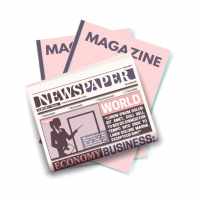
Newspapers
-
Magazines
-
Cinema advertising
-
Large-format print media
These platforms reach broad audiences at scale and are designed primarily for brand awareness and mass visibility rather than hyper-targeted engagement.
Unlike digital marketing — which relies heavily on performance tracking and precision targeting — mainline media focuses on mass impact, emotional storytelling, and brand positioning.
Key Types of Mainline Media Advertising
1. Television Advertising (TV Ads)
Television remains one of the most influential mainline platforms, especially during high-viewership events such as sports tournaments, reality shows, and prime-time news.
TV advertising offers:
-
Massive reach
-
High recall value
-
Emotional storytelling through audio-visual impact
For FMCG, automotive, electronics, and telecom brands, TV continues to be a brand-building powerhouse.
2. Print Advertising
Print includes newspapers and magazines. Though digital media has grown, print retains strong credibility and trust, particularly among decision-makers and older demographics.
Print advertising works well for:
-
Real estate
-
Education
-
Healthcare
-
Luxury brands
-
Government announcements
It offers detailed messaging and regional targeting through local publications.
3. Radio Advertising
Radio advertising is cost-effective and ideal for:
-
Regional campaigns
-
Retail promotions
-
Event marketing
-
Local business awareness
With commuters and urban listeners tuning in daily, radio ensures frequent exposure and strong recall.
4. Cinema Advertising
Cinema advertising allows brands to reach captive audiences in a distraction-free environment. Large screens, immersive sound, and premium settings make cinema ideal for:
-
Product launches
-
High-impact brand storytelling
-
Luxury and lifestyle positioning
Mainline Media vs Digital Media: What’s the Difference?
| Factor | Mainline Media | Digital Media |
|---|---|---|
| Reach | Mass audience | Targeted audience |
| Objective | Brand awareness | Performance & conversions |
| Tracking | Limited | Real-time analytics |
| Cost | High upfront investment | Flexible budgets |
| Credibility | High | Varies by platform |
In 2026, the smartest brands combine both for maximum impact.
Why Mainline Media Still Matters in 2026
Despite the growth of digital platforms, mainline media remains relevant for five major reasons:
1. Mass Brand Visibility
When a brand appears on TV, in national newspapers, or during major events, it gains immediate legitimacy and authority.
2. Trust & Credibility
Consumers often perceive brands advertised in traditional media as more established and trustworthy compared to online-only brands.
3. Faster Market Penetration
For new product launches or nationwide campaigns, mainline media can create instant buzz across multiple cities simultaneously.
4. Emotional Storytelling
Television and cinema allow immersive storytelling that builds long-term emotional connections with audiences.
5. Supports Digital Campaigns
Mainline media often acts as the top-of-funnel awareness driver, while digital platforms handle retargeting and conversions.
When Should Brands Use Mainline Media Advertising?
Mainline media is ideal when:
-
Launching a new product nationally
-
Expanding into new geographic markets
-
Building premium brand positioning
-
Running festive or seasonal campaigns
-
Targeting broad demographics
It may not be ideal for:
-
Startups with limited budgets
-
Highly niche audiences
-
Performance-only marketing strategies
Budget Considerations in 2026
Mainline media advertising typically requires larger investments compared to digital campaigns. Costs depend on:
-
Channel selection (TV vs radio vs print)
-
Time slots (prime-time costs more)
-
Geographic coverage
-
Production quality
However, brands increasingly negotiate integrated packages combining TV, print, and digital amplification for better ROI.
How to Plan a Successful Mainline Media Campaign
Here is a step-by-step framework:
Step 1: Define Clear Objectives
Brand awareness? Product launch? Market expansion?
Step 2: Identify Target Audience
Even mass media requires audience alignment.
Step 3: Choose the Right Media Mix
Select TV, print, radio, or cinema based on goals.
Step 4: Craft Strong Creative
Storytelling is critical. Emotional, memorable creatives perform best.
Step 5: Integrate with Digital
Use QR codes, hashtags, landing pages, and social media extensions.
Step 6: Measure Indirect Impact
Track brand recall, website traffic spikes, and sales uplift.
Emerging Trends in Mainline Media (2026)
Mainline media is evolving. Key trends include:
-
Addressable TV advertising
-
Data-backed media planning
-
Integration with programmatic buying
-
Cross-channel storytelling
-
Regional language expansion
-
Hybrid TV + OTT strategies
The future isn’t traditional vs digital — it’s convergence.
Common Mistakes Brands Should Avoid
-
Running TV ads without digital support
-
Ignoring regional language customization
-
Over-investing without clear objectives
-
Using weak creatives with high media spend
-
Failing to measure brand impact
Final Thoughts
Mainline media advertising is far from outdated. In 2026, it continues to serve as a foundational pillar for large-scale brand building.
For modern brands aiming to dominate markets, the winning strategy lies in combining:
Mainline Media + Digital Media + Experiential Marketing
When executed strategically, mainline media creates credibility, emotional connection, and long-term brand equity that performance marketing alone cannot achieve.
Elyts Advertising and Branding Solutions | www.elyts.in (India) | www.elyts.agency (UAE)
Related Products
Leave a Comment