














Transit Advertising | Maximizing Reach Across Urban Audiences
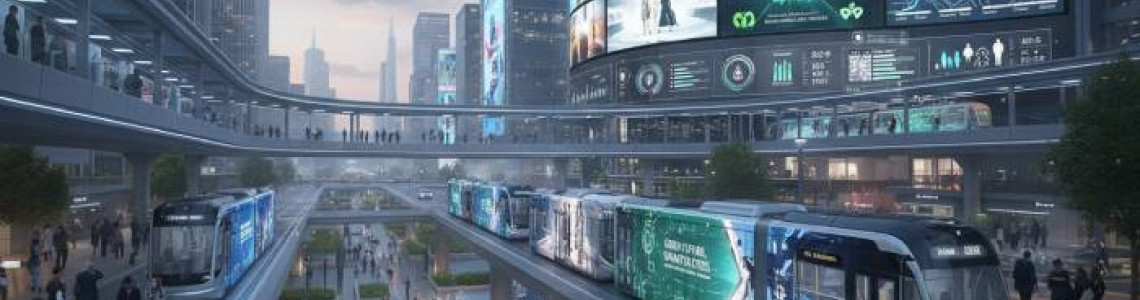
As cities grow denser and mobility patterns become more complex, transit advertising is emerging as one of the most powerful channels for reaching urban audiences. In 2026, brands are no longer viewing buses, metros, taxis, and transit hubs as passive media spaces. Instead, transit advertising has evolved into a data-driven, tech-enabled, and creatively dynamic medium that delivers consistent visibility and strong brand recall.
This article explores how transit advertising is transforming in 2026 and how brands can maximize reach and impact across urban audiences.
The Evolution of Transit Advertising
Transit advertising has moved far beyond static posters on buses and trains. In 2026, it combines physical presence with digital intelligence. Smart screens, real-time content updates, and audience analytics are reshaping how brands communicate in transit environments.
Urban commuters spend significant time traveling daily, making transit media one of the few channels that guarantees repeated exposure. This high-frequency visibility positions transit advertising as a reliable tool for brand building and sustained messaging.
Why Transit Advertising Matters More in 2026
1. Expanding Urban Populations
Rapid urbanization has increased reliance on public and shared transport. Metros, buses, and ride-hailing services collectively reach millions of commuters every day, creating unmatched scale within cities.
2. High Dwell Time and Attention
Unlike fast-scrolling digital ads, transit ads benefit from longer dwell time. Passengers waiting at stations or traveling for extended durations naturally engage with surrounding media, leading to stronger message retention.
3. Brand Safety and Trust
Transit advertising operates in controlled, brand-safe environments. Ads displayed within public infrastructure are perceived as more credible and trustworthy compared to some digital platforms.
Key Transit Advertising Formats in 2026
Bus and Train Wraps
Full and partial wraps transform vehicles into moving billboards. In high-traffic corridors, these formats ensure city-wide visibility and repeated impressions throughout the day.
Digital Screens in Transit Hubs
Digital Out-of-Home (DOOH) screens at metro stations, airports, and bus terminals allow dynamic content delivery. Brands can tailor creatives based on time of day, weather, or audience flow.
In-Car and Ride-Hailing Media
Screens inside taxis and app-based cabs provide captive audience engagement. These formats are especially effective for localized offers, app promotions, and urban lifestyle brands.
Platform and Concourse Advertising
Large-format displays on platforms and concourses deliver high-impact visuals where commuter footfall is concentrated.
Data-Driven Targeting in Transit Advertising
In 2026, transit advertising is increasingly powered by data. Brands leverage mobility data, commuter demographics, and route analytics to plan campaigns with precision.
Route-based targeting helps advertisers align messaging with specific neighborhoods or business districts.
Time-based scheduling ensures ads are shown during peak commuting hours for maximum exposure.
Audience profiling enables better alignment between brand messaging and commuter behavior.
This shift from mass exposure to smart exposure has significantly improved campaign effectiveness.
Integrating Transit Advertising with Omnichannel Campaigns
Transit advertising works best when integrated with digital and mobile channels. QR codes, NFC tags, and mobile retargeting allow brands to bridge offline exposure with online engagement.
For example, a commuter exposed to a metro station ad can later receive a related mobile ad, reinforcing the message and increasing conversion probability. This omnichannel synergy makes transit advertising a core pillar of modern media strategies.
Creative Best Practices for Transit Advertising
Keep messaging simple and bold to ensure clarity at a glance.
Use strong visuals and minimal text for better recall in moving environments.
Localize content to reflect city culture, language, or regional insights.
Design for motion by considering how ads appear on moving vehicles or crowded platforms.
Creativity that respects the commuter mindset performs significantly better than cluttered or overly complex designs.
Measuring Effectiveness of Transit Campaigns
In 2026, measuring transit advertising performance goes beyond impressions. Brands track success using:
Footfall attribution
Brand lift studies
Mobile engagement and QR scans
Sales uplift in transit-influenced zones
Advanced analytics tools now provide clearer insights into how transit advertising contributes to the overall marketing funnel.
The Future of Transit Advertising
Looking ahead, transit advertising will continue to blend physical presence with digital intelligence. AI-powered content optimization, programmatic buying, and sustainability-focused media formats will further enhance its value.
As urban audiences become harder to reach through traditional digital channels alone, transit advertising stands out as a consistent, impactful, and scalable solution.
Conclusion
In 2026, transit advertising is no longer just about visibility; it is about strategic reach, contextual relevance, and measurable impact. By leveraging data, technology, and creative storytelling, brands can effectively connect with urban audiences during their daily journeys. For advertisers seeking high-frequency exposure and strong brand recall in cities, transit advertising remains an indispensable part of the media mix.
Elyts Advertising and Branding Solutions | www.elyts.in (India) | www.elyts.agency (UAE)
Related Products


Leave a Comment