














Transit Advertising | Unlocking High Impact OOH Opportunities
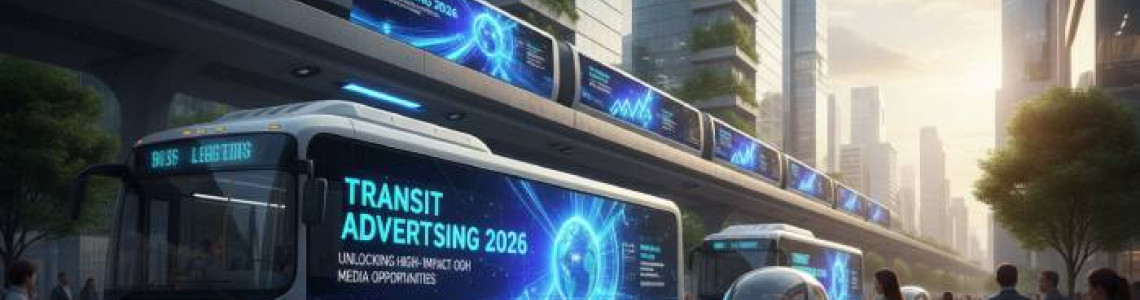
In 2026, transit advertising is no longer just about posters inside buses or wraps on metro trains. It has evolved into a data-driven, technology-enabled powerhouse within the Out-of-Home (OOH) ecosystem. As brands compete for consumer attention in an overcrowded digital space, transit media offers unmatched visibility, frequency, and real-world impact.
For agencies like Elyts Branding Solutions and other forward-thinking advertising firms, transit advertising presents a golden opportunity to connect with urban audiences at scale while delivering measurable ROI.
The Evolution of Transit Advertising
Transit advertising refers to brand promotions placed on or inside public transportation systems—buses, metro trains, auto-rickshaws, airports, railway stations, and ride-share vehicles. Traditionally seen as a mass-reach medium, it has now become smarter and more strategic.
In 2026, transit OOH integrates with:
-
Real-time data analytics
-
Geo-targeting capabilities
-
Programmatic DOOH buying
-
AI-powered audience measurement
-
Interactive digital screens
This shift has turned transit spaces into dynamic communication hubs rather than static display zones.
Why Transit Advertising Is Thriving in 2026
1. High Urban Mobility = High Exposure
With rapid urbanization across cities like Mumbai, Bengaluru, Delhi, and Hyderabad, daily commuters spend hours in transit. Buses, metro networks, and airports offer repeated exposure, which significantly improves brand recall.
Unlike digital ads that can be skipped or blocked, transit ads are unavoidable and embedded in everyday routines.
2. Integration with Smart City Infrastructure
Modern metro systems and airports have become premium advertising environments. For instance, metro networks in cities such as Mumbai and Delhi now feature LED panels, digital billboards, and immersive brand zones.
Globally, networks like the Transport for London have pioneered data-backed transit advertising models, combining audience analytics with premium media assets.
Similarly, large transit hubs like Dubai International Airport demonstrate how high-traffic travel environments can host luxury and experiential campaigns.
3. Digital Transit Screens & DOOH Integration
Digital Out-of-Home (DOOH) screens inside metros and bus shelters allow:
-
Daypart targeting
-
Weather-triggered ads
-
Real-time campaign updates
-
Interactive QR-based engagement
Brands can now run dynamic creatives based on time of day, local events, or commuter profiles—blending the flexibility of digital marketing with the dominance of physical presence.
4. Hyperlocal Targeting for Regional Brands
Transit advertising enables geographic precision.
-
IT parks? Target metro lines near tech corridors.
-
Educational institutions? Focus on student-heavy bus routes.
-
Retail launches? Dominate metro stations near malls.
For Indian brands expanding city by city, transit media becomes a powerful hyperlocal growth tool.
Key Transit Advertising Formats in 2026
1. Full Vehicle Wraps
High-impact bus and metro wraps turn moving vehicles into mobile billboards that capture attention across multiple neighborhoods daily.
2. Station Domination
Complete branding of metro stations, platforms, and stairways ensures immersive storytelling and maximum recall.
3. Airport Advertising
Premium audiences, high dwell time, and affluent travelers make airports ideal for luxury, fintech, and real estate brands.
4. Digital Panels & Interactive Kiosks
Touchscreens, motion sensors, and NFC technology enhance engagement and encourage immediate action.
5. Transit Experiential Marketing
Pop-up activations inside stations and airports provide direct consumer interaction.
Transit Advertising vs. Pure Digital Advertising
| Factor | Transit Advertising | Pure Digital Ads |
|---|---|---|
| Ad Blocking | Impossible | Common |
| Physical Presence | High | None |
| Brand Recall | Strong | Moderate |
| Audience Targeting | Geo & route-based | Behavior-based |
| Trust Factor | High | Declining |
Transit media builds credibility and large-scale awareness, while digital supports retargeting and conversions. In 2026, the most successful campaigns combine both.
Data & Measurement in 2026
One of the biggest changes in transit advertising is measurability.
Advanced analytics now track:
-
Footfall patterns
-
Route traffic density
-
Impression frequency
-
Engagement via QR scans
-
Attribution models linked to mobile data
Brands no longer rely solely on estimated reach; they gain actionable performance insights.
Sustainability & Green Branding
With eco-conscious consumers rising, transit advertising supports sustainable marketing. Public transportation campaigns promote shared mobility and reduce carbon footprints compared to individual vehicle usage.
Many cities now prioritize eco-friendly printing materials and energy-efficient LED screens, aligning transit campaigns with ESG goals.
Industries Benefiting Most from Transit Media
In 2026, the top sectors investing heavily in transit advertising include:
-
Real estate developers
-
EdTech platforms
-
Fintech companies
-
E-commerce brands
-
Healthcare services
-
OTT platforms
-
Retail chains
Transit environments are ideal for brand launches, festive campaigns, and mass-awareness drives.
How to Maximize Transit Advertising ROI
To unlock high-impact OOH media opportunities, brands should:
-
Combine transit with mobile retargeting.
-
Use bold, minimal creative designs.
-
Leverage QR codes for measurable engagement.
-
Align messaging with commuter mindset.
-
Integrate transit campaigns into omnichannel strategies.
Creative simplicity and strategic placement drive results.
The Future of Transit Advertising Beyond 2026
Looking ahead, we can expect:
-
AI-powered predictive route planning
-
Facial analytics (privacy-compliant)
-
AR-enabled bus shelters
-
Fully programmatic transit buying
-
Real-time creative optimization
Transit advertising will continue merging physical and digital worlds, becoming an intelligent, performance-driven media channel.
Conclusion
Transit advertising in 2026 is not just about visibility—it’s about dominance, data, and dynamic storytelling. As digital clutter intensifies, brands that invest in high-impact OOH transit media gain a powerful competitive advantage.
For agencies focused on performance marketing and brand growth, transit advertising unlocks scalable, credible, and measurable opportunities that digital alone cannot achieve.
Elyts Advertising and Branding Solutions | www.elyts.in (India) | www.elyts.agency (UAE)
Related Products

Leave a Comment