
















Top OOH Media Trends Brands Must Watch This Year | Digitally
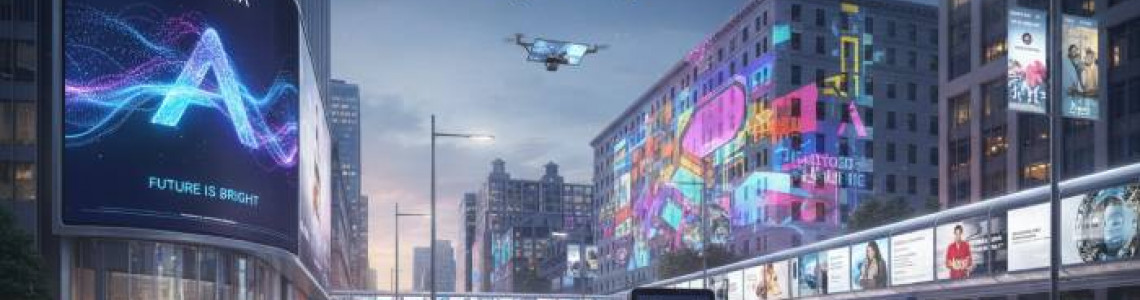
Out-of-Home (OOH) advertising is undergoing a powerful transformation. Once limited to static billboards and transit posters, OOH media has evolved into a smart, data-driven, and digitally enhanced channel that delivers high-impact brand visibility. As brands compete for consumer attention in an increasingly fragmented media landscape, OOH is emerging as a reliable medium for awareness, recall, and real-world engagement.
This year, several key OOH media trends are reshaping how brands plan, execute, and measure outdoor campaigns. Let’s explore the top OOH media trends brands must watch and leverage to stay ahead.
1. Rapid Growth of Digital Out-of-Home (DOOH)
Digital Out-of-Home (DOOH) continues to dominate the OOH ecosystem. LED screens, digital billboards, and smart displays in malls, airports, and high-traffic zones enable brands to deliver dynamic and visually compelling content.
DOOH allows:
-
Real-time content updates
-
Multiple creatives in a single location
-
Daypart-based messaging
Brands are increasingly shifting budgets from static OOH to DOOH due to better flexibility, measurability, and audience engagement.
2. Programmatic OOH Buying Becomes Mainstream
Programmatic buying is transforming how OOH media is planned and purchased. Instead of long-term fixed bookings, brands can now buy OOH inventory using automated platforms based on audience data, time, location, and demand.
Key advantages include:
-
Smarter budget optimization
-
Real-time campaign adjustments
-
Data-driven targeting
Programmatic OOH bridges the gap between digital advertising and traditional outdoor media, making campaigns more agile and efficient.
3. Data-Driven Targeting and Audience Measurement
Modern OOH campaigns are no longer about guesswork. Brands are leveraging mobile data, location intelligence, and footfall analytics to understand who is seeing their ads.
Advanced audience measurement enables:
-
Demographic and behavioral insights
-
Attribution modeling
-
Improved ROI tracking
This shift toward data-backed OOH planning is increasing advertiser confidence and spend in outdoor media.
4. Contextual and Hyperlocal Advertising
Hyperlocal targeting is becoming a major focus in OOH media. Brands are customizing messages based on location, weather, events, traffic, and even time of day.
Examples include:
-
Food brands promoting lunch offers near office hubs
-
Retail ads triggered during shopping hours
-
Event-based messaging near venues
Contextual relevance enhances engagement and significantly improves brand recall.
5. Integration of OOH with Mobile and Digital Campaigns
OOH is no longer a standalone medium. Brands are integrating outdoor campaigns with mobile, social media, and search advertising to create a seamless omnichannel experience.
Common integrations include:
-
QR codes on billboards
-
Mobile retargeting based on location exposure
-
Social media amplification of OOH creatives
This cross-channel approach boosts reach, engagement, and conversion rates.
6. Creative Innovation and Immersive Experiences
Creativity remains the heart of impactful OOH advertising. Brands are experimenting with 3D billboards, anamorphic displays, AR-enabled hoardings, and experiential installations to capture attention.
These innovations:
-
Encourage social sharing
-
Create viral brand moments
-
Enhance emotional connection
High-impact creative execution helps brands stand out in cluttered urban environments.
7. Sustainability and Eco-Friendly OOH Solutions
Sustainability is becoming a priority in media planning. Brands are opting for energy-efficient LED screens, recyclable materials, and solar-powered billboards to reduce environmental impact.
Eco-conscious OOH campaigns:
-
Align with brand values
-
Appeal to environmentally aware consumers
-
Support long-term brand reputation
Green OOH media is no longer optional—it’s a strategic advantage.
8. Increased Focus on Premium Locations
Brands are prioritizing high-visibility, premium OOH locations such as airports, metro stations, business districts, malls, and high-street zones.
Premium placements offer:
-
Higher dwell time
-
Better audience quality
-
Strong brand perception
Strategic location planning is proving more effective than blanket coverage.
Conclusion
OOH media is evolving faster than ever, blending creativity, technology, and data to deliver measurable and memorable brand experiences. From DOOH and programmatic buying to hyperlocal targeting and immersive creatives, these trends are redefining how brands connect with consumers in the physical world.
Brands that adapt to these OOH media trends this year will gain a competitive edge, achieve stronger brand recall, and unlock new growth opportunities in an increasingly digital-first advertising ecosystem.
Elyts Advertising and Branding Solutions | www.elyts.in (India) | www.elyts.agency (UAE)
Related Products





Leave a Comment