















Top 10 Creative Mall Media Campaigns That Stood Out in 2025
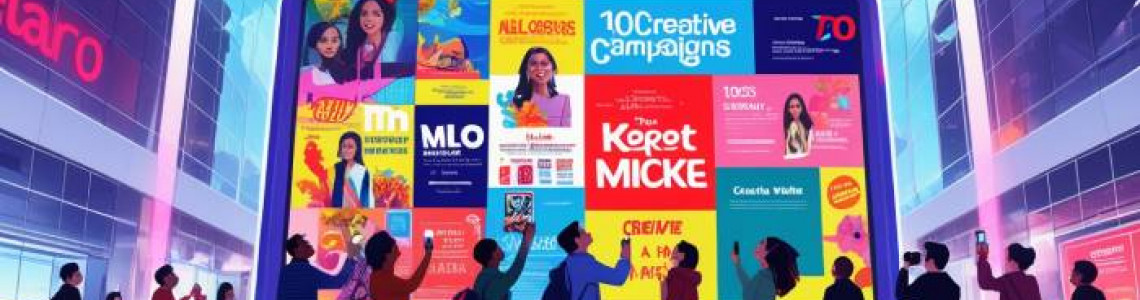
Mall media in 2025 proved that shopping centers are no longer just places to buy products—they have become immersive brand experience zones. With the rise of digital screens, interactive technology, data-driven targeting, and experiential activations, brands used malls as high-impact platforms to connect with consumers at the point of purchase. From AR-powered displays to sustainability-led installations, mall media campaigns in 2025 pushed creativity and engagement to new heights.
Here’s a look at the top 10 creative mall media campaign concepts of 2025 that truly stood out and set new benchmarks for shopper engagement.
1. Interactive AR Product Trials in Fashion Zones
Fashion and lifestyle brands leveraged augmented reality mirrors and screens in malls, allowing shoppers to virtually try outfits, accessories, or footwear. These AR-powered mall media units increased dwell time and encouraged social sharing, turning casual shoppers into active participants. The seamless blend of technology and retail experience made this one of the most talked-about mall campaigns of the year.
2. Gamified Digital Screens with Instant Rewards
Gamification became a powerful mall media trend in 2025. Brands introduced touchscreen games, spin-the-wheel contests, and QR-based challenges on digital kiosks. Shoppers could win instant discounts or freebies redeemable within the mall, directly driving footfall to stores while creating excitement across common areas.
3. Sustainability-Themed Green Installations
Eco-conscious campaigns made a strong impact. Several brands used green-themed mall installations, featuring recycled materials, live plants, and energy-efficient digital screens. Interactive panels educated shoppers about sustainability efforts while subtly promoting products. These campaigns resonated strongly with environmentally aware urban audiences.
4. Hyperlocal Festival-Based Mall Activations
In 2025, brands embraced hyperlocal storytelling by aligning mall media campaigns with regional festivals and cultural moments. Customized creatives, localized language messaging, and culturally relevant visuals helped brands connect emotionally with shoppers, making mall advertising feel personal rather than generic.
5. AI-Powered Smart Screens with Dynamic Content
AI-driven mall media screens adjusted content in real time based on time of day, crowd demographics, and shopper behavior. Morning messages focused on quick-service brands, while evening creatives highlighted dining, entertainment, and fashion. This intelligent content delivery maximized relevance and engagement.
6. Experiential Product Launch Zones
Instead of traditional billboards, brands created dedicated product experience zones inside malls. These zones combined digital displays, live demos, influencer appearances, and sampling activities. Shoppers didn’t just see the product—they experienced it, leading to stronger brand recall and higher conversion rates.
7. Social Media Integrated Mall Media Campaigns
Mall media campaigns in 2025 heavily integrated with social platforms. Hashtag walls, selfie zones, and live social feeds encouraged shoppers to create content and share their experiences online. This seamless online-offline integration amplified campaign reach far beyond the mall’s physical boundaries.
8. Immersive 3D and Anamorphic Displays
High-impact 3D anamorphic screens became a visual attraction in premium malls. These eye-catching displays created optical illusions that appeared to “break out” of the screen, stopping shoppers in their tracks. Such campaigns proved extremely effective for tech, automotive, and luxury brands aiming for maximum visibility.
9. Data-Driven Personalized Offers via QR Codes
QR-based mall media evolved beyond basic scans. In 2025, brands used data-backed personalization, where shoppers received tailored offers after interacting with mall screens. These personalized promotions increased redemption rates and provided valuable consumer insights for brands.
10. Kids & Family Engagement Zones
Family-focused brands created interactive zones for children, featuring motion sensors, educational games, and animated characters. While kids were engaged, parents were exposed to brand messaging, making it a win-win strategy. These campaigns significantly increased dwell time in family-heavy mall zones.
Why These Mall Media Campaigns Worked So Well
The success of these creative mall media campaigns in 2025 can be attributed to a few key factors:
-
High dwell time compared to other advertising formats
-
Contextual relevance at the point of purchase
-
Technology-driven engagement instead of passive viewing
-
Measurable impact through data, scans, and interactions
Malls offered brands a controlled environment where storytelling, technology, and consumer intent came together seamlessly.
Conclusion
The year 2025 reinforced that mall media is one of the most powerful and creative advertising platforms available today. Brands that moved beyond static visuals and embraced interactive, experiential, and data-led strategies saw stronger engagement, higher recall, and better ROI.
As mall footfall continues to rise and consumer expectations evolve, creative mall media campaigns will play an even bigger role in shaping brand experiences. For advertisers and marketers, malls are no longer just media spaces—they are opportunity hubs for meaningful consumer connections.
Elyts Advertising and Branding Solutions | www.elyts.in (India) | www.elyts.agency (UAE)
Related Products



Leave a Comment