













Mainline Media | Digital Marketing | Which Delivers Better ROI
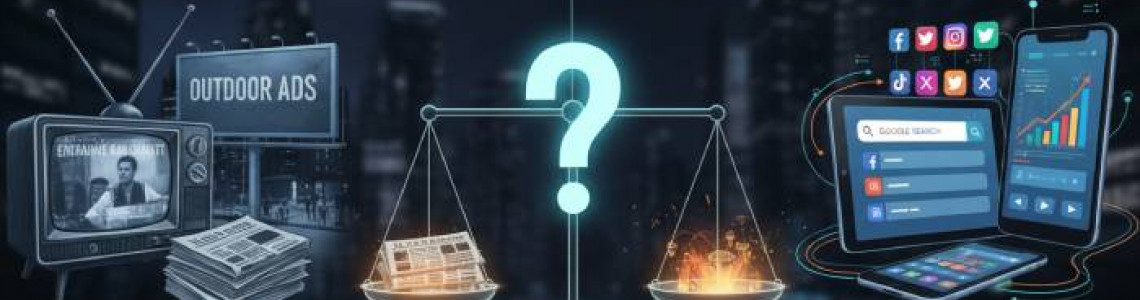
In 2026, brands are navigating an increasingly complex advertising landscape. With evolving consumer behavior, AI-driven targeting, and cross-platform campaigns, marketers face a critical question: Should they invest more in Mainline Media or Digital Marketing to maximize ROI?
Both channels offer distinct advantages. However, the right choice depends on campaign objectives, audience demographics, budget allocation, and measurable performance metrics. Let’s explore how each performs in 2026 and which delivers better return on investment (ROI).
What is Mainline Media?
Mainline Media refers to traditional advertising channels such as:
-
Television
-
Radio
-
Newspapers
-
Magazines
-
Cinema Advertising
-
Outdoor Hoardings
These platforms have historically dominated brand awareness campaigns, offering massive reach and credibility.
Strengths of Mainline Media in 2026
-
Mass Reach & Visibility
Television and print still command high trust levels, especially in Tier 2 and Tier 3 markets. -
Brand Authority & Trust
Consumers perceive brands advertised on TV or in leading newspapers as more credible. -
High Impact Campaigns
Large-scale launches benefit from broad exposure and emotional storytelling. -
Stronger Regional Penetration
Regional language newspapers and local TV channels continue to influence buying decisions.
Limitations
-
Difficult to track real-time ROI
-
Higher production and placement costs
-
Limited audience targeting
-
Slower optimization cycles
What is Digital Marketing in 2026?
Digital Marketing includes:
-
Social Media Advertising
-
Search Engine Marketing (SEM)
-
Influencer Marketing
-
Programmatic Advertising
-
Email Campaigns
-
Performance Marketing
-
Video Ads (YouTube, OTT platforms)
With AI and data analytics advancements, digital marketing in 2026 is more precise, automated, and measurable than ever.
Strengths of Digital Marketing in 2026
-
Advanced Targeting Capabilities
AI-driven audience segmentation allows brands to target users based on behavior, interests, and intent. -
Measurable ROI
Marketers can track clicks, conversions, impressions, and customer acquisition costs in real time. -
Cost Efficiency
Suitable for startups and SMEs with limited budgets. -
Instant Optimization
Campaigns can be adjusted instantly based on performance data. -
Higher Engagement Rates
Interactive formats like reels, short videos, and live sessions boost engagement.
Limitations
-
Ad fatigue and banner blindness
-
Increasing competition and rising CPC
-
Privacy regulations impacting tracking
ROI Comparison: Mainline Media vs Digital Marketing
1. Brand Awareness ROI
-
Mainline Media wins for large-scale national awareness.
-
TV and print campaigns create strong recall and authority.
2. Performance & Conversion ROI
-
Digital Marketing dominates.
-
Data-driven retargeting and personalized ads significantly improve conversion rates.
3. Cost Efficiency
-
Digital provides better ROI for small and mid-sized brands.
-
Mainline Media requires higher upfront investment.
4. Measurability
-
Digital marketing offers detailed analytics.
-
Mainline Media relies on estimated reach and post-campaign surveys.
5. Long-Term Brand Building
-
Mainline Media builds emotional storytelling and mass credibility.
-
Digital supports sustained engagement and remarketing.
Consumer Behavior in 2026
Today’s consumers follow an omnichannel journey:
-
See a TV ad.
-
Search for the brand on Google.
-
Check reviews on social media.
-
Compare prices online.
-
Make a purchase via mobile.
This means neither channel works effectively in isolation.
Which Delivers Better ROI in 2026?
For Large Enterprises:
A hybrid approach works best. Mainline Media drives awareness, while Digital Marketing converts interest into sales.
For Startups & SMEs:
Digital Marketing offers better short-term ROI due to precision targeting and budget flexibility.
For Regional Brands:
Combining regional TV/newspaper ads with geo-targeted digital campaigns produces strong results.
The Smart Strategy: Integrated Media Planning
Instead of choosing one over the other, brands in 2026 are adopting Integrated Marketing Strategies that combine:
-
TV ads driving traffic to websites
-
Print ads with QR codes
-
Outdoor campaigns supported by social media contests
-
Influencer marketing reinforcing mainline campaigns
This synergy significantly increases overall ROI.
Final Verdict
There is no universal winner between Mainline Media and Digital Marketing in 2026.
-
If your goal is mass brand awareness and credibility, Mainline Media delivers.
-
If your focus is measurable performance, lead generation, and conversions, Digital Marketing wins.
-
If you want maximum ROI, integration is the smartest strategy.
In today’s competitive advertising ecosystem, the brands that blend traditional impact with digital precision are the ones that outperform the market.
Elyts Advertising and Branding Solutions | www.elyts.in (India) | www.elyts.agency (UAE)
Related Products
Leave a Comment