
















The Role of Technology in Modern OOH Advertising | Digitally
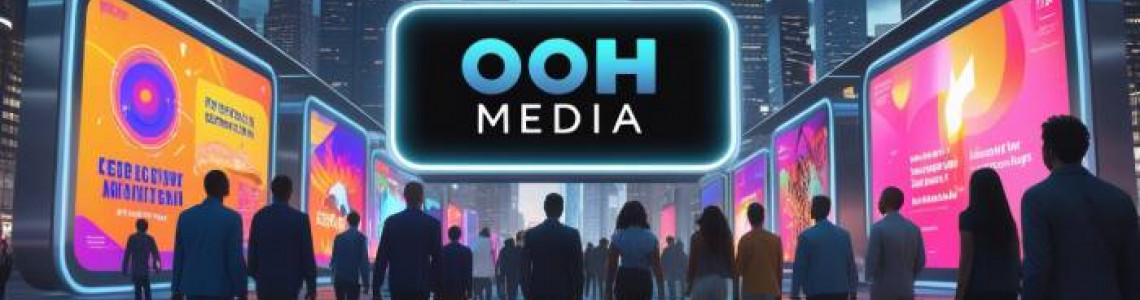
Out-of-Home (OOH) advertising has evolved dramatically from static billboards and printed posters into a dynamic, data-driven medium powered by technology. In today’s fast-paced urban environments, technology plays a crucial role in making OOH advertising more engaging, measurable, and effective. From digital screens to artificial intelligence, modern OOH campaigns are transforming how brands connect with consumers in real-world spaces.
Evolution from Traditional to Tech-Driven OOH
Traditional OOH advertising relied heavily on location, visibility, and repetition. While these elements are still relevant, technology has added new layers of intelligence and interactivity. Digital transformation has enabled OOH media to move beyond one-way communication into a responsive and personalized brand experience.
Modern OOH combines physical presence with digital innovation, creating campaigns that are not only visually striking but also contextually relevant.
Digital OOH (DOOH): The Backbone of Modern OOH Advertising
Digital Out-of-Home (DOOH) advertising is the most significant technological advancement in the OOH industry. LED screens, video walls, and smart displays allow brands to showcase high-impact visuals, animations, and real-time content updates.
Key benefits of DOOH include:
-
Flexible content scheduling
-
Time-based and location-based messaging
-
Higher attention and recall rates
-
Reduced printing and operational costs
DOOH enables advertisers to run multiple creatives on the same screen, maximizing inventory efficiency and campaign reach.
Programmatic Advertising in OOH
Programmatic technology has revolutionized how OOH media is bought and sold. With programmatic DOOH, advertisers can purchase ad slots automatically using data insights, similar to digital advertising.
This technology allows:
-
Audience-based targeting
-
Real-time bidding for ad placements
-
Campaign optimization based on performance data
-
Better budget control and ROI measurement
Programmatic OOH bridges the gap between digital and outdoor advertising, making OOH more agile and accountable.
Data, Analytics, and Audience Measurement
One of the biggest limitations of traditional OOH was the lack of measurable performance. Technology has solved this challenge through data analytics and audience measurement tools.
Using mobile location data, sensors, and AI-powered analytics, advertisers can now:
-
Estimate footfall and impressions
-
Understand audience demographics
-
Analyze dwell time and engagement
-
Measure campaign effectiveness
These insights help brands refine their strategies and make informed decisions for future campaigns.
Artificial Intelligence and Machine Learning
Artificial Intelligence (AI) and Machine Learning (ML) are redefining creativity and targeting in OOH advertising. AI enables dynamic content adaptation based on real-time conditions such as weather, traffic, time of day, or audience behavior.
For example:
-
Ads promoting cold beverages during hot weather
-
Traffic-based messaging during peak hours
-
Contextual ads aligned with local events
AI also supports predictive analytics, helping brands forecast campaign outcomes and optimize placements.
Interactive and Immersive Technologies
Technology has turned OOH into an interactive medium that encourages consumer participation. Touchscreens, QR codes, NFC, augmented reality (AR), and virtual reality (VR) allow audiences to engage directly with ads.
Interactive OOH experiences:
-
Increase engagement and dwell time
-
Encourage social media sharing
-
Create memorable brand interactions
-
Drive online and offline conversions
Such immersive campaigns blur the line between physical and digital marketing.
Mobile Integration and Omnichannel Impact
Modern OOH advertising works seamlessly with mobile technology. Geo-fencing, QR codes, and mobile retargeting allow brands to extend OOH exposure into digital touchpoints.
This integration enables:
-
Cross-channel campaign continuity
-
Enhanced brand recall
-
Personalized follow-up ads on mobile devices
-
Better attribution tracking
OOH now plays a vital role in omnichannel marketing strategies.
Sustainability Through Technology
Technology is also making OOH advertising more sustainable. Digital screens reduce paper waste, while smart energy management systems optimize power consumption. Cloud-based content management minimizes logistics and operational inefficiencies.
Sustainable tech-driven OOH aligns with modern brands’ environmental and social responsibility goals.
The Future of Technology in OOH Advertising
As smart cities expand and technology advances, OOH advertising will become even more intelligent and immersive. Innovations like 5G connectivity, advanced AI, and real-time personalization will further enhance the impact of outdoor media.
The future of OOH lies in combining creativity with technology to deliver meaningful, data-driven brand experiences in public spaces.
Conclusion
Technology has transformed OOH advertising into a powerful, measurable, and interactive marketing channel. From digital displays and AI to data analytics and programmatic buying, modern OOH is no longer just about visibility—it’s about relevance, engagement, and performance. Brands that embrace technology in OOH advertising are better positioned to capture attention, influence consumer behavior, and achieve long-term marketing success.
Elyts Advertising and Branding Solutions | www.elyts.in (India) | www.elyts.agency (UAE)
Related Products





Leave a Comment