
















Sports Media Sponsorship Trends | What Brands Look for Today
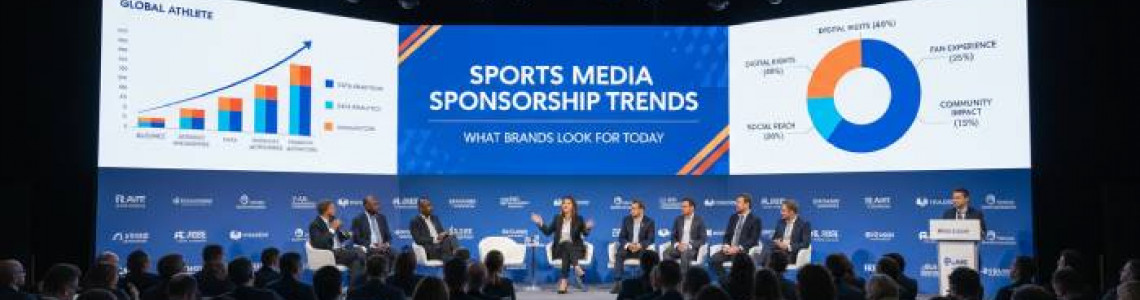
Sports media sponsorship has evolved far beyond logo placements and stadium banners. In today’s data-driven and digitally connected world, brands are becoming more strategic about where, how, and why they invest in sports media partnerships. From digital streaming platforms to athlete-led content and interactive fan engagement, sponsorship decisions are now shaped by measurable impact and audience alignment.
Let’s explore the latest sports media sponsorship trends and what brands truly look for in 2026 and beyond.
The Evolution of Sports Media Sponsorship
Traditionally, sports sponsorship revolved around television broadcasts, jersey branding, and stadium signage. While these formats still hold value, the rapid growth of OTT platforms, social media, and mobile streaming has expanded the sponsorship ecosystem.
Today’s sports audiences are fragmented across multiple channels — TV, YouTube, Instagram, fantasy sports apps, and sports streaming platforms. As a result, brands are shifting from mass exposure strategies to targeted, data-backed sponsorship models.
1. Audience Targeting Over Mass Reach
Modern brands prioritize precision targeting rather than broad visibility.
Instead of sponsoring an entire tournament for general awareness, brands now:
-
Sponsor specific digital segments within live streams
-
Collaborate with niche sports influencers
-
Target regional or demographic-specific leagues
-
Use AI-driven insights to reach high-intent consumers
Brands want audiences that align with their buyer personas. For example, fintech companies prefer sponsorships during cricket leagues with high engagement among working professionals, while D2C brands focus on younger digital-first sports viewers.
Key Focus: Quality of audience > Quantity of impressions.
2. Measurable ROI and Performance Metrics
Gone are the days when sponsorship success was judged purely by visibility. Today, brands demand measurable results.
They look for:
-
Engagement rates on digital platforms
-
Click-through rates (CTR) during live streaming ads
-
Conversion tracking from sponsorship campaigns
-
Social media mentions and sentiment analysis
-
First-party data capture opportunities
Sports media partnerships now include performance dashboards and real-time analytics. Brands expect clear KPIs before signing sponsorship deals.
3. Digital & OTT Integration
OTT platforms have transformed sports broadcasting. With interactive ads, shoppable features, and personalized content, digital sponsorship opportunities are more dynamic than traditional TV ads.
Brands prefer:
-
In-stream interactive advertisements
-
Sponsored highlights and replay segments
-
Branded content integrations
-
Programmatic ad placements during live sports
The rise of sports streaming platforms allows brands to tailor ads based on viewer behavior, geography, and interests — making sponsorship smarter and more efficient.
4. Content-Driven Collaborations
Storytelling is becoming central to sports sponsorship.
Rather than simply placing logos, brands now co-create:
-
Behind-the-scenes athlete stories
-
Documentary-style sports features
-
Branded podcasts
-
Social media challenges
-
Fan-generated content campaigns
This approach builds emotional connections with audiences and enhances brand recall. Authentic storytelling drives higher engagement compared to static sponsorship placements.
5. Focus on Athlete and Influencer Partnerships
Athlete-driven content is one of the fastest-growing sponsorship trends in sports media.
Brands increasingly collaborate with:
-
Micro and macro sports influencers
-
Retired legends with loyal fan bases
-
Rising athletes with strong digital engagement
Athletes with active social media communities provide direct access to engaged audiences. These partnerships often deliver stronger trust and relatability compared to traditional broadcast sponsorships.
6. Regional and Emerging Sports Sponsorship
While mainstream sports like cricket and football dominate viewership, brands are exploring emerging and regional leagues for cost-effective impact.
Kabaddi, badminton, esports, and women’s sports are attracting significant sponsorship interest due to:
-
Lower entry costs
-
Highly engaged niche audiences
-
Growing digital consumption
Supporting emerging sports also enhances a brand’s progressive and inclusive image.
7. Emphasis on Fan Engagement and Experience
Brands are moving beyond passive visibility to interactive engagement.
They seek sponsorship opportunities that include:
-
AR/VR fan experiences
-
Live polls and gamification during matches
-
Exclusive merchandise collaborations
-
Fantasy sports integrations
-
QR-based offers during live broadcasts
The goal is to convert sports viewers into active brand participants.
8. Sustainability and Social Impact Alignment
Corporate responsibility plays a growing role in sponsorship decisions. Brands now evaluate whether sports properties align with their ESG (Environmental, Social, and Governance) goals.
They favor:
-
Sustainable sporting events
-
Women-led leagues
-
Grassroots sports development initiatives
-
Community-based tournaments
Purpose-driven sponsorships enhance brand reputation and long-term loyalty.
9. Integrated Cross-Media Campaigns
Sponsorship today is rarely standalone. Brands prefer integrated campaigns that combine:
-
Mainline media (TV & print)
-
OOH advertising
-
Digital ads
-
Social media amplification
-
Influencer collaborations
This multi-channel strategy ensures consistent messaging and higher recall.
10. Data Ownership and First-Party Data Access
With increasing privacy regulations, brands value sponsorships that provide access to first-party data.
Sports media platforms offering:
-
Email database integrations
-
App downloads
-
Membership sign-ups
-
Contest-based data capture
are more attractive to advertisers looking to build long-term consumer relationships.
What Brands Ultimately Look For Today
In summary, brands prioritize sponsorships that deliver:
✔ Targeted reach
✔ Measurable ROI
✔ Digital integration
✔ Engaging storytelling
✔ Authentic athlete partnerships
✔ Cross-platform amplification
✔ Strong audience data insights
The future of sports media sponsorship is performance-driven, tech-enabled, and audience-centric.
Final Thoughts
Sports media sponsorship in 2026 is no longer just about visibility — it’s about value. Brands are smarter, more data-oriented, and deeply focused on engagement rather than exposure alone.
As sports consumption continues to shift toward digital platforms, sponsorship models will become even more personalized, measurable, and experience-driven. The brands that win in this space will be those that combine storytelling, technology, and strategic audience targeting into a unified sponsorship strategy.
Elyts Advertising and Branding Solutions | www.elyts.in (India) | www.elyts.agency (UAE)
Related Products

Leave a Comment