
















Sports Media Rights | Who Owns the Game in the Streaming Era?
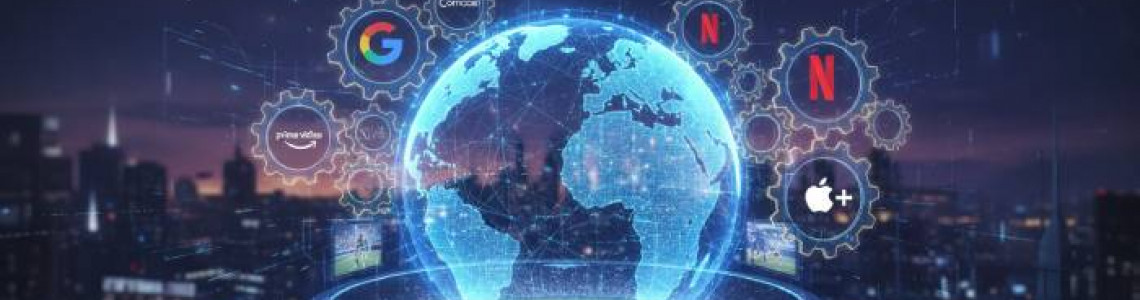
In 2026, sports media rights are no longer just about television broadcasts. They are billion-dollar strategic assets that shape the global entertainment economy. From traditional broadcasters to streaming giants and tech companies, the battle for sports media rights has intensified like never before.
The question is no longer who is broadcasting the game? — it is who truly owns the game?
Let’s explore how sports media rights are evolving in 2026 and which players dominate the field.
The Evolution of Sports Media Rights
For decades, television networks controlled sports broadcasting. Major leagues signed long-term deals with national broadcasters, guaranteeing massive reach and advertising revenue.
However, digital transformation has changed the game:
-
Streaming platforms now bid aggressively for exclusive rights.
-
Tech companies use sports to drive ecosystem growth.
-
Hybrid broadcast models combine TV and OTT platforms.
-
Direct-to-consumer (DTC) models are reshaping fan engagement.
Sports content is now the most valuable live entertainment asset in media.
Traditional Broadcasters Still in the Game
Legacy broadcasters remain powerful players in 2026. Networks like:
-
ESPN
-
Sky Sports
-
NBC Sports
continue to secure premium sports rights, particularly for domestic leagues and marquee global tournaments.
Television still dominates live sports viewership in many regions, especially during mega-events. Advertisers value the mass reach and appointment viewing that sports deliver.
However, broadcasters now bundle linear TV with streaming access to remain competitive.
Streaming Platforms: The New Power Brokers
By 2026, streaming services have emerged as major sports rights owners. Platforms such as:
-
Amazon Prime Video
-
Disney+
-
Netflix
-
Apple TV+
are aggressively acquiring live sports packages.
Why?
Because live sports:
-
Drive subscriptions
-
Reduce churn
-
Increase engagement time
-
Attract premium advertisers
Exclusive digital rights deals are reshaping distribution models. Some leagues now sell separate streaming and broadcast packages to maximize revenue.
Tech Giants Enter the Arena
Beyond streaming, big tech companies are using sports rights strategically.
Companies like:
-
Google
-
Meta
-
Apple
leverage sports to promote hardware, AI ecosystems, cloud services, and advertising platforms.
In 2026, sports media rights are not just content deals — they are ecosystem expansion tools.
Leagues Taking Control: Owning Their Own Distribution
An emerging trend in 2026 is leagues building their own direct streaming platforms.
Major global leagues are increasingly investing in:
-
Direct-to-consumer apps
-
International OTT services
-
Subscription-based match passes
-
Digital fan memberships
By controlling distribution, leagues gain:
-
Full data ownership
-
Global monetization
-
Direct fan relationships
-
Higher long-term margins
This shift is redefining ownership itself — leagues are becoming media companies.
Regional Spotlight: India’s Sports Media Boom
India has become one of the hottest markets for sports media rights. Cricket, in particular, commands record-breaking deals.
The Indian market has seen intense competition among broadcasters and digital platforms for properties like:
-
Indian Premier League
-
ICC Cricket World Cup
The combination of mobile-first audiences, affordable data, and massive fan bases has made sports rights in India a strategic priority for global media companies.
The Financial Stakes in 2026
Sports media rights values continue to rise due to:
-
Scarcity of premium live content
-
Real-time advertising opportunities
-
Global streaming expansion
-
Betting and interactive integrations
-
AI-powered personalization
Mega deals now often include:
-
Multi-platform rights
-
Global distribution clauses
-
Data-sharing agreements
-
Integrated sponsorship assets
The economics of sports broadcasting are more complex — and more lucrative — than ever.
Who Really Owns the Game?
In 2026, ownership is layered:
-
Leagues own the intellectual property.
-
Broadcasters and streamers license distribution rights.
-
Tech companies monetize engagement ecosystems.
-
Fans influence value through subscription and viewership behavior.
True ownership lies in control of audience data and distribution channels.
The companies that combine premium rights with technology, analytics, and global reach will dominate the future.
The Future Outlook
Looking ahead, expect:
-
More exclusive streaming-only sports packages
-
Shorter, flexible rights contracts
-
AI-enhanced viewing experiences
-
Global digital-first distribution
-
Cross-platform monetization models
Sports media rights in 2026 are no longer about just showing the match — they are about controlling the entire fan journey.
Final Thoughts
The battle for sports media rights in 2026 reflects a broader transformation in media and advertising. As competition intensifies between broadcasters, streamers, and tech giants, sports remain the most powerful live entertainment asset in the world.
Elyts Advertising and Branding Solutions | www.elyts.in (India) | www.elyts.agency (UAE)
Related Products
Leave a Comment