
















Sports Media Advertising Trends Brands Must Watch This Year
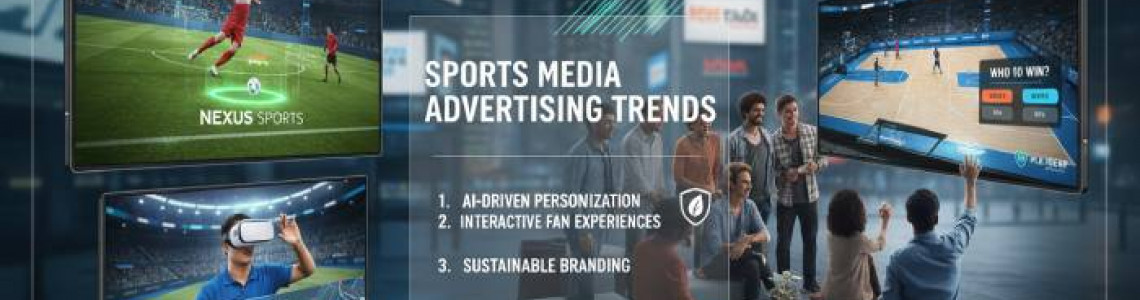
In the fast-paced world of sports media, advertising strategies are evolving faster than ever. Brands aiming to capture attention must stay ahead of emerging trends to connect meaningfully with fans, maximize ROI, and build long-term loyalty. Here’s a look at the most influential sports media advertising trends brands must watch this year.
1. AI and Data-Driven Campaigns
Artificial Intelligence (AI) and advanced data analytics are transforming how brands approach sports advertising. From personalized content recommendations to predictive audience targeting, AI allows advertisers to deliver highly relevant messages during live sports events. For example, machine learning can analyze fan behavior to determine which segments are most likely to engage with a campaign, optimizing ad spend in real-time.
2. Rise of Digital-First Sports Platforms
OTT platforms and digital streaming services are now key battlegrounds for sports advertising. Traditional broadcast TV is no longer the sole medium for live sports consumption. Brands are leveraging these platforms to run interactive ads, push notifications, and exclusive content that resonate with younger, tech-savvy audiences who prefer digital viewing.
3. Interactive and Immersive Fan Experiences
Fan engagement is no longer one-dimensional. Augmented Reality (AR), Virtual Reality (VR), and interactive polls are creating immersive experiences that allow fans to feel closer to the game. Brands sponsoring these features gain higher visibility and deeper emotional connections with their audience, turning passive viewers into active participants.
4. Short-Form Video and Social Media Integration
Social media continues to dominate sports advertising, especially with short-form video platforms like TikTok and Instagram Reels. Brands are creating snackable content around highlights, behind-the-scenes moments, and player interactions to drive engagement. This trend emphasizes authenticity and relatability, critical factors for capturing the attention of Gen Z and millennial fans.
5. Personalized Sponsorships and Branded Content
Modern sports advertising increasingly moves toward niche sponsorships and branded content. Instead of generic ad slots, brands collaborate with leagues, teams, and athletes to create stories that feel native to the fan experience. This approach enhances recall and builds a stronger emotional bond between the brand and its audience.
6. Sustainability and Social Responsibility Messaging
Fans today care about the social and environmental values of the brands they support. Sports advertisers are integrating sustainability initiatives, diversity campaigns, and community-driven programs into their messaging. Aligning a brand with meaningful causes can significantly boost both loyalty and credibility in 2026.
7. Real-Time Analytics and Performance Tracking
Measuring the effectiveness of sports advertising campaigns is more critical than ever. Real-time analytics tools allow marketers to track impressions, engagement, and conversions as games unfold. This instant feedback enables dynamic optimization of campaigns, ensuring maximum impact during peak fan attention.
Conclusion
Sports media advertising in 2026 is a dynamic blend of technology, creativity, and fan-first engagement. Brands that embrace AI-driven strategies, interactive experiences, and digital-first platforms will stay ahead in a competitive market. By monitoring these trends and adapting campaigns in real-time, marketers can not only boost visibility but also create meaningful connections with the global sports audience.
Elyts Advertising and Branding Solutions | www.elyts.in (India) | www.elyts.agency (UAE)
Related Products
Leave a Comment