
















How Social Media Platforms Are Reshaping Sports Media Consumption
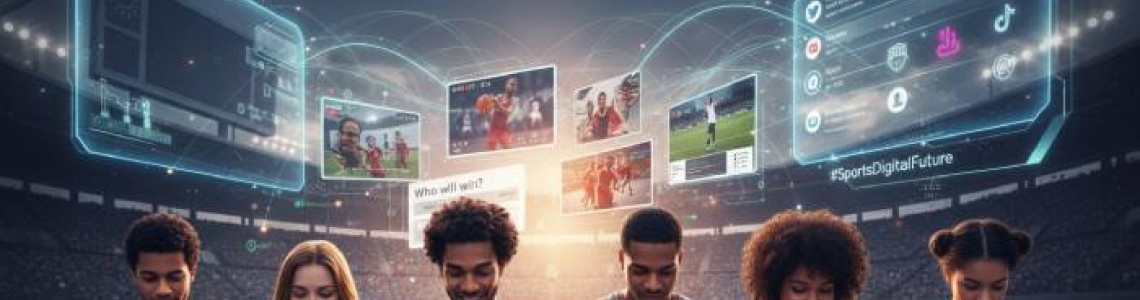
The way fans consume sports media has changed dramatically over the last decade. Traditional television broadcasts and newspaper coverage are no longer the only sources of sports news, highlights, and analysis. Today, social media platforms have become the primary destination for millions of sports fans worldwide.
From real-time match updates to behind-the-scenes content, platforms like Facebook, Instagram, X, YouTube, and TikTok are redefining how audiences engage with sports. Let’s explore how social media is transforming sports media consumption and what it means for fans, broadcasters, and advertisers.
1. Real-Time Access to Live Updates
Social media has accelerated the speed of sports coverage. Fans no longer need to wait for post-match analysis on TV or newspapers. Instead, they receive instant updates, live commentary, and highlight clips directly on their feeds.
Live-tweeting, Instagram Stories, and short-form video content provide minute-by-minute coverage. This real-time interaction makes fans feel connected to the action, even if they are not watching the game live.
Impact:
-
Faster news dissemination
-
Immediate fan reactions
-
Increased second-screen engagement
2. Shift from Scheduled Broadcasting to On-Demand Content
Traditional sports media operates on fixed schedules. Social media, however, offers content anytime and anywhere.
Short highlight reels, player interviews, memes, and analysis clips are available instantly. Fans consume sports content in bite-sized formats that fit into their daily routines. This shift toward on-demand viewing has significantly reduced reliance on full-length broadcasts.
Result:
Sports consumption is now personalized and flexible rather than appointment-based.
3. Athlete-Driven Media Narratives
One of the biggest changes in sports media consumption is the direct access fans have to athletes. Players now communicate with audiences without intermediaries.
Athletes use social media to:
-
Share training routines
-
Announce transfers or injuries
-
Engage with fans
-
Build personal brands
This direct communication bypasses traditional sports journalists, allowing athletes to control their narratives and create stronger fan relationships.
4. Rise of Short-Form and Snackable Content
The dominance of short-form video has reshaped attention spans and content strategies. Platforms prioritize quick, engaging clips that capture highlights, celebrations, and emotional moments.
Sports organizations now design content specifically for vertical viewing, quick edits, and shareability. Viral moments often gain more visibility on social platforms than on television broadcasts.
Trend Insight:
Clips under 60 seconds often drive higher engagement than long-form sports discussions.
5. Interactive and Community-Driven Experiences
Social media has transformed sports consumption into a participatory experience. Fans are no longer passive viewers — they are active contributors.
Engagement tools include:
-
Polls and Q&A sessions
-
Live chats during matches
-
Fan-generated memes and reactions
-
Fantasy league discussions
Communities built around teams and leagues create a sense of belonging that traditional broadcasting cannot replicate.
6. Influencer and Creator-Led Sports Content
Sports commentary is no longer limited to professional analysts. Independent creators and influencers now provide match reactions, tactical breakdowns, and opinion-based content.
This democratization of sports analysis gives audiences diverse perspectives. Fans often trust relatable creators as much as established broadcasters.
Key Change:
Authority in sports media is shifting from institutions to individuals.
7. Data-Driven Personalization
Social media algorithms curate sports content based on user interests and engagement patterns. Fans receive tailored updates about their favorite teams, players, and leagues.
This personalization increases:
-
Content relevance
-
Watch time
-
Ad targeting efficiency
Sports marketers leverage this data to deliver targeted campaigns and sponsorships.
8. Monetization and Revenue Transformation
Social media platforms have created new revenue streams for sports organizations:
-
Sponsored posts
-
Branded collaborations
-
Live streaming partnerships
-
In-app advertisements
-
Subscription-based exclusive content
Instead of relying solely on broadcasting rights, sports entities now monetize through digital engagement metrics.
9. Global Reach and Accessibility
Social media removes geographic barriers. A fan in India can instantly access highlights from a European league or an American tournament.
This global accessibility expands fan bases and increases international sponsorship opportunities. Smaller leagues and emerging sports benefit significantly from this exposure.
10. The Second-Screen Phenomenon
Many fans watch live games on television while simultaneously engaging on social media. This second-screen behavior enhances the viewing experience by adding commentary, humor, and real-time discussion.
Broadcasters now integrate social media feeds into live coverage, acknowledging its influence on audience engagement.
Challenges of Social Media in Sports Media
While social media offers numerous advantages, it also presents challenges:
-
Spread of misinformation
-
Toxic fan behavior
-
Over-commercialization
-
Copyright disputes over highlight clips
Sports organizations must balance speed with accuracy and maintain responsible digital engagement strategies.
The Future of Sports Media Consumption
Social media is not replacing traditional broadcasting entirely — it is complementing and reshaping it. The future of sports media lies in hybrid models that combine live broadcasts with interactive digital experiences.
Emerging technologies like AI-driven highlights, augmented reality filters, and immersive live streams will further enhance fan engagement.
Sports media is no longer about just watching a match; it’s about experiencing it socially, interactively, and globally.
Conclusion
Social media platforms have fundamentally transformed how sports content is created, distributed, and consumed. They offer real-time updates, direct athlete engagement, personalized feeds, and community-driven discussions.
For sports organizations, adapting to this digital-first ecosystem is no longer optional — it is essential. For fans, the result is a richer, more connected, and more interactive sports experience.
Elyts Advertising and Branding Solutions | www.elyts.in (India) | www.elyts.agency (UAE)
Related Products


Leave a Comment