
















Social Media’s Impact on Sports Broadcasting and Fan Interaction
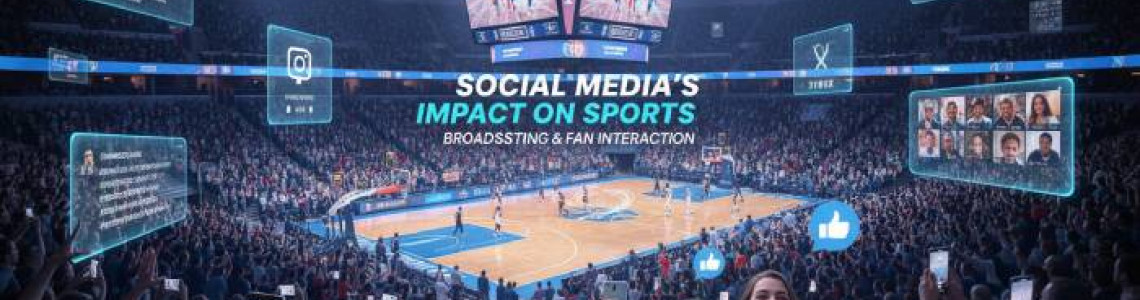
The rise of social media has fundamentally reshaped the landscape of sports broadcasting and fan interaction. Platforms like Twitter, Instagram, Facebook, and TikTok are no longer just spaces for casual updates—they have become central to how fans consume and engage with sports content. From live updates to behind-the-scenes glimpses, social media allows fans to experience sports in real-time, creating a more immersive and interactive environment.
1. Real-Time Engagement and Updates
Social media enables broadcasters to deliver live updates and highlights instantly, keeping fans connected to the action even if they cannot watch the full game. Real-time interactions, such as live tweets, polls, and fan comments, allow sports networks to foster a two-way conversation with their audience, increasing engagement and loyalty.
2. Expanding Fan Communities
Social media breaks geographical barriers, allowing fans from around the world to connect over their favorite teams and sports. Hashtags, fan pages, and online forums create virtual communities where fans can discuss games, share opinions, and celebrate victories together, strengthening the sense of belonging among supporters.
3. Personalized Content and Storytelling
Sports organizations are leveraging social media to provide tailored content based on fan preferences. From player interviews and training sessions to interactive quizzes and behind-the-scenes stories, social media offers a platform for storytelling that traditional broadcasting cannot match, keeping fans invested in the narrative of their favorite teams and athletes.
4. Monetization and Sponsorship Opportunities
Social media has opened new revenue streams for sports broadcasters and teams. Sponsored posts, branded content, and targeted advertising allow brands to reach highly engaged audiences, while social media-exclusive content can attract subscriptions and drive ticket sales for live events.
5. Influencing Broadcast Strategies
Social media data provides broadcasters with insights into fan behavior, preferences, and trending topics. These insights inform programming decisions, highlight reels, and even game scheduling, allowing sports media companies to align their strategies with audience demand more effectively.
In conclusion, social media has transformed sports broadcasting from a one-way transmission of events into a highly interactive, global, and personalized experience. As fan expectations evolve, sports networks that embrace social media’s full potential will not only enhance engagement but also secure their position in the competitive digital media landscape.
Elyts Advertising and Branding Solutions | www.elyts.in (India) | www.elyts.agency (UAE)
Related Products



Leave a Comment