
















How Social Media Is Changing Fan Engagement | Sports Media
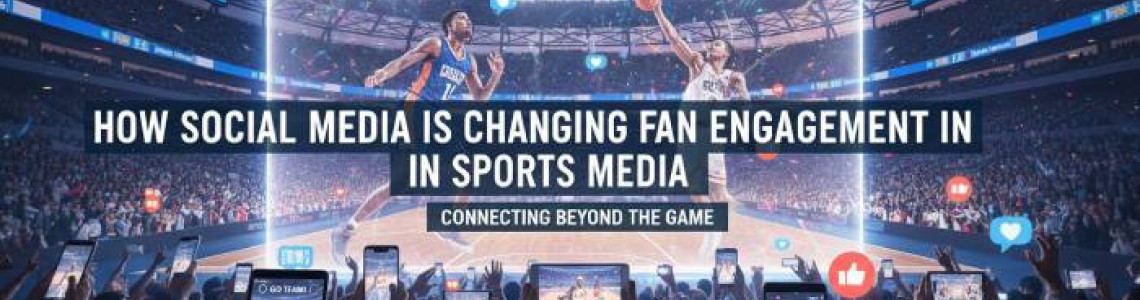
The sports media landscape has undergone a dramatic transformation over the past decade. What was once dominated by television broadcasts and print journalism has now expanded into a dynamic, real-time digital ecosystem. At the center of this shift is social media.
Platforms like Instagram, X (formerly Twitter), YouTube, Facebook, and TikTok have fundamentally changed how fans consume, interact with, and influence sports content. Social media is no longer just a promotional tool—it is now the heartbeat of fan engagement in sports media.
Let’s explore how social media is reshaping the sports industry and redefining the relationship between fans, teams, athletes, and broadcasters.
1. Real-Time Interaction and Instant Reactions
In the traditional sports media model, fan interaction was limited. Viewers watched games, read match reports the next day, and occasionally called into sports radio shows.
Today, fans engage in real time.
-
Live tweeting during matches
-
Instagram story reactions
-
YouTube live chats
-
Polls and Q&A sessions
Every goal, wicket, touchdown, or buzzer-beater sparks instant global conversations. Social media has turned sports into a shared digital experience, where fans are not just spectators but active participants.
This immediacy increases emotional investment and keeps audiences connected beyond the final whistle.
2. Athletes as Personal Media Brands
One of the biggest shifts in sports media is the rise of athlete-driven content.
Players are no longer dependent solely on broadcasters or journalists to tell their stories. Through social media, athletes now:
-
Share behind-the-scenes content
-
Communicate directly with fans
-
Address controversies instantly
-
Build personal brands
This direct connection humanizes athletes and strengthens fan loyalty. A cricketer sharing practice sessions or a footballer posting locker-room celebrations creates authenticity that traditional media often cannot replicate.
As a result, athlete social media presence has become a major factor in sponsorship and endorsement deals.
3. Short-Form Content Is Dominating Sports Highlights
The way fans consume sports highlights has changed dramatically.
Instead of waiting for a TV recap show, fans now watch:
-
30-second Instagram reels
-
TikTok highlight clips
-
YouTube Shorts
-
Meme compilations
Short-form video content delivers instant entertainment and is optimized for mobile consumption. This shift has forced sports broadcasters to rethink how they package and distribute content.
Clubs and leagues now prioritize digital-first highlight strategies to capture younger audiences who prefer quick, engaging formats.
4. Fan-Generated Content and Community Power
Social media has empowered fans to become content creators themselves.
From fan podcasts and YouTube analysis channels to meme pages and reaction videos, user-generated content has become a powerful extension of sports media.
Communities form around hashtags, fan pages, and supporter groups. These digital communities:
-
Influence public opinion
-
Shape player narratives
-
Create viral moments
-
Drive engagement for teams
Sports media is no longer one-directional. It is collaborative and community-driven.
5. Data-Driven Personalization and Targeted Engagement
Social media platforms provide advanced analytics that help teams and broadcasters understand their audiences better than ever before.
They can track:
-
Engagement rates
-
Watch time
-
Fan demographics
-
Content preferences
This data enables hyper-targeted campaigns and personalized content strategies. A team can tailor content for regional fans, specific age groups, or even language-based audiences.
For brands advertising in sports media, this precision improves ROI and strengthens campaign effectiveness.
6. Influencer Marketing and Cross-Promotion
Sports engagement is no longer limited to official accounts. Influencers, sports bloggers, and content creators play a major role in shaping conversations.
Collaborations between teams and influencers help:
-
Reach new audience segments
-
Promote events and merchandise
-
Increase digital visibility
-
Boost fan interaction
This cross-pollination between sports and influencer culture has significantly expanded the reach of sports media.
7. Second-Screen Experience Is the New Normal
Today’s sports fans rarely watch a game on television without using a second screen—usually their smartphone.
While watching live matches, fans:
-
Check player stats
-
Join Twitter/X debates
-
Share reactions on Instagram
-
Watch live commentary streams
This dual-screen behavior increases overall engagement time and opens new advertising opportunities for digital sports media platforms.
8. Monetization Opportunities Through Social Platforms
Social media has also opened new revenue streams in sports media:
-
Sponsored posts
-
Paid partnerships
-
Exclusive subscription content
-
Social commerce and merchandise sales
Platforms like YouTube and Facebook allow monetized live streaming, while Instagram and TikTok enable in-app shopping. This direct monetization model helps teams and athletes reduce reliance on traditional broadcasters.
9. Crisis Management and Reputation Control
In the fast-paced world of sports, controversies and breaking news spread instantly.
Social media allows teams and athletes to:
-
Issue immediate statements
-
Clarify rumors
-
Address fan concerns
-
Control narratives
While this speed can amplify issues, it also provides an opportunity for transparent communication and brand reputation management.
10. The Future: Immersive and Interactive Engagement
The next phase of social media in sports media will likely include:
-
Augmented Reality (AR) fan filters
-
AI-driven content recommendations
-
Interactive live streams
-
Virtual fan meet-and-greets
-
Web3-based fan tokens
The goal is clear: deeper engagement, stronger communities, and more immersive fan experiences.
Conclusion
Social media has completely transformed fan engagement in sports media. It has shifted the power dynamic from broadcasters to digital communities, from one-way communication to interactive storytelling.
Fans are no longer passive viewers—they are creators, commentators, and contributors. Athletes are no longer just players—they are global digital brands. And sports media is no longer confined to television—it lives in the hands of billions of connected users worldwide.
Elyts Advertising and Branding Solutions | www.elyts.in (India) | www.elyts.agency (UAE)
Related Products

Leave a Comment