














How Smart Cities Are Driving the Growth of Digital OOH Media
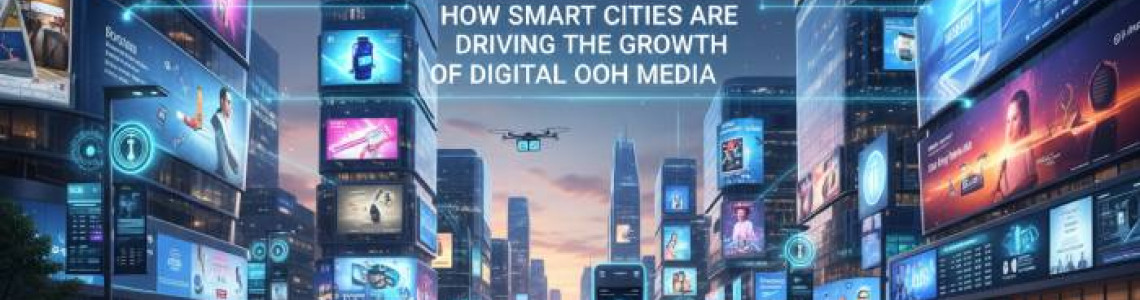
As urban centers evolve into smart cities, the way brands communicate with consumers is undergoing a major transformation. Smart cities leverage data, connectivity, and technology to improve urban life—and Digital Out-of-Home (DOOH) media has emerged as a powerful beneficiary of this shift. From intelligent billboards to programmatic screens, smart city infrastructure is accelerating the growth and effectiveness of DOOH advertising.
What Makes a City “Smart”?
Smart cities integrate technologies such as:
-
IoT-enabled infrastructure
-
Real-time data analytics
-
AI-driven traffic and crowd management
-
High-speed connectivity (5G & fiber networks)
These elements create an ideal environment for dynamic, data-driven outdoor advertising.
The Role of DOOH in Smart City Ecosystems
Digital OOH media fits naturally into smart cities because it:
-
Delivers real-time, context-aware messaging
-
Integrates with urban data systems
-
Enhances public information while enabling brand communication
Screens are now common in metro stations, airports, malls, smart bus shelters, corporate parks, and city centers.
Key Ways Smart Cities Are Fueling DOOH Growth
1. Real-Time Content Delivery
Smart city data allows DOOH screens to adapt instantly based on:
-
Traffic conditions
-
Weather changes
-
Time of day
-
Local events
This ensures highly relevant messaging, improving engagement and recall.
2. Programmatic DOOH Advertising
With connected infrastructure, advertisers can buy DOOH inventory programmatically, similar to digital ads. Smart cities enable:
-
Automated ad placements
-
Location-based targeting
-
Optimized ad scheduling
This has significantly lowered entry barriers for brands.
3. Enhanced Audience Targeting
Using anonymized mobility data, DOOH campaigns can reach specific audience segments based on:
-
Footfall patterns
-
Commuter behavior
-
Business vs leisure zones
This precision makes DOOH far more accountable than traditional static formats.
4. Integration with Smart Mobility
Digital screens integrated with smart transport systems (metros, EV charging stations, airports) offer premium exposure to high-intent audiences. These environments deliver long dwell times, ideal for brand storytelling.
5. Sustainability & Energy Efficiency
Modern DOOH screens in smart cities are:
-
Energy-efficient
-
Solar-powered in some locations
-
Centrally monitored to reduce waste
This aligns with the sustainability goals of future-focused urban planning.
Benefits for Brands and Cities
For brands:
-
Higher engagement rates
-
Better targeting and measurement
-
Seamless omnichannel integration
For cities:
-
Improved public communication
-
Revenue generation
-
Modernized urban aesthetics
Future Outlook
As smart city projects expand across India and globally, DOOH media will continue to grow as a core urban communication channel. AI, 5G, and data partnerships will further enhance personalization, making DOOH a cornerstone of future advertising strategies.
Elyts Advertising and Branding Solutions | www.elyts.in (India) | www.elyts.agency (UAE)
Related Products

Leave a Comment