
















Second Screen Experiences | New Normal | Sports Media Consumption
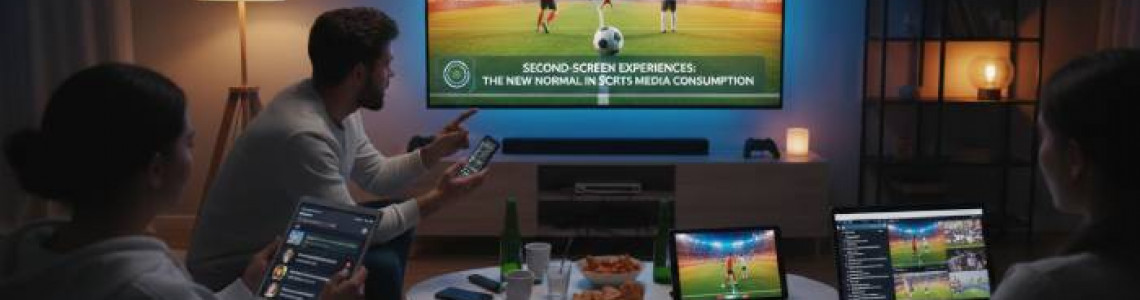
The way fans consume sports has transformed dramatically over the last decade. Gone are the days when viewers simply sat in front of a television and passively watched a live match. Today, sports consumption is interactive, immersive, and multi-platform. The rise of second-screen experiences has become the new normal in sports media consumption, reshaping how fans engage with games, teams, and brands.
From live social media discussions to fantasy leagues and real-time statistics apps, the second screen has redefined the sports viewing ecosystem.
What Are Second-Screen Experiences?
Second-screen experiences refer to the use of a digital device—typically a smartphone, tablet, or laptop—while watching live sports on television or via streaming platforms. These devices enhance the viewing experience by offering:
-
Live statistics and performance analytics
-
Social media interaction
-
Fantasy sports participation
-
Betting platforms
-
Exclusive behind-the-scenes content
-
Interactive polls and fan voting
Instead of being passive viewers, fans now actively participate in the sports narrative in real time.
Why Second-Screen Usage Is Growing Rapidly
1. The Smartphone Revolution
With widespread smartphone adoption and affordable data access, fans can instantly access complementary content during live events. Real-time highlights, player insights, and tactical breakdowns are just a tap away.
2. Social Media Integration
Platforms like X (formerly Twitter), Instagram, and YouTube have turned sports into global conversations. Fans engage through hashtags, memes, debates, and instant reactions, making live sports a shared digital experience.
3. Fantasy Sports & Live Betting
Fantasy leagues and sports betting apps have fueled second-screen engagement. Fans track player stats and match analytics simultaneously, making every moment more intense and meaningful.
4. Personalized Content
Unlike traditional broadcast, second-screen platforms provide customized feeds. Fans can follow specific players, teams, or game metrics that matter most to them.
How Broadcasters Are Adapting
Sports broadcasters and OTT platforms are embracing second-screen behavior rather than resisting it. Key strategies include:
Integrated Apps
Major broadcasters now offer companion apps featuring live stats, multi-angle replays, interactive commentary, and fan polls.
Real-Time Data Visualization
Advanced analytics dashboards provide heat maps, player tracking, and tactical insights to deepen viewer understanding.
Interactive Advertising
Brands are leveraging second screens to run synchronized ad campaigns, QR codes, and instant engagement contests during live games.
Gamification
Polls, quizzes, prediction games, and rewards programs keep audiences engaged throughout the match.
The Impact on Sports Marketing
Second-screen experiences have transformed sports marketing strategies in several ways:
Higher Engagement Rates
Fans using second screens are more engaged and emotionally invested, increasing brand recall and campaign effectiveness.
Data-Driven Advertising
Marketers gain valuable user behavior insights, enabling hyper-targeted campaigns based on fan preferences and real-time activity.
Cross-Platform Campaigns
Brands can integrate TV ads with social media promotions, influencer collaborations, and interactive mobile content for maximum reach.
Challenges in the Second-Screen Era
While second-screen experiences offer significant advantages, they also pose challenges:
-
Fragmented attention spans
-
Content overload
-
Measurement complexities across platforms
-
Maintaining broadcast focus while enhancing digital engagement
Sports media companies must strike a balance between immersive experiences and overwhelming audiences.
The Role of AI and Emerging Technologies
Artificial Intelligence, Augmented Reality (AR), and data analytics are further enhancing second-screen engagement.
-
AI-powered match insights and predictions
-
AR overlays with player statistics
-
Personalized highlight reels
-
Voice-enabled interactive assistants
As 5G adoption increases, real-time synchronization between primary and secondary screens will become seamless and more immersive.
The Future of Second-Screen Sports Consumption
Second-screen experiences are no longer optional add-ons—they are central to modern sports media strategy. The future will likely include:
-
Fully synchronized multi-screen ecosystems
-
Interactive watch parties with global fans
-
Integrated e-commerce during live events
-
Blockchain-based fan rewards and collectibles
The sports industry is moving toward an interconnected, immersive digital environment where fans are active participants rather than passive spectators.
Conclusion
Second-screen experiences have fundamentally reshaped sports media consumption. Fans today demand interactivity, personalization, and community engagement while watching live events. For broadcasters, OTT platforms, and advertisers, adapting to this behavioral shift is not just an opportunity—it is a necessity.
As technology continues to evolve, second-screen engagement will play an even more critical role in defining the future of sports media.
Elyts Advertising and Branding Solutions | www.elyts.in (India) | www.elyts.agency (UAE)
Related Products


Leave a Comment