















The Role of Mall Media | Omnichannel Marketing Strategies | Elyts
In today’s highly connected consumer landscape, brands no longer rely on a single channel to influence purchase decisions. Customers move seamlessly between online platforms, physical stores, social media, and mobile apps. This shift has made omnichannel marketing a necessity rather than an option. Within this ecosystem, mall media has emerged as a powerful bridge between digital engagement and real-world experiences, playing a critical role in delivering consistent, impactful brand messaging.
Understanding Mall Media in the Omnichannel Context
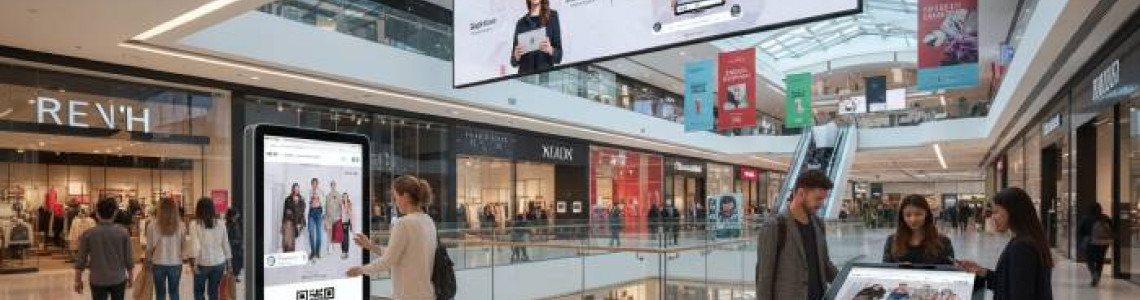
Mall media refers to advertising and brand touchpoints placed within shopping malls, including digital screens, LED video walls, kiosks, escalator branding, food court displays, interactive installations, and experiential zones. Unlike traditional outdoor advertising, mall media operates in a high-dwell, high-intent environment, where consumers are already primed to browse, evaluate, and purchase.
In omnichannel marketing, the goal is to provide a unified brand experience across all consumer touchpoints. Mall media fits perfectly into this framework by connecting physical retail interactions with digital campaigns, data-driven targeting, and mobile engagement.
Bridging Online and Offline Consumer Journeys
One of the biggest challenges in omnichannel marketing is closing the gap between online discovery and offline conversion. Mall media helps solve this by reinforcing digital messaging in a physical setting.
For example, a consumer who has seen a brand’s ad on social media may encounter the same campaign visuals on a mall’s digital screen. This repetition strengthens recall and trust. QR codes, NFC tags, and short URLs on mall displays can instantly direct shoppers to websites, apps, product pages, or exclusive online offers, seamlessly merging offline exposure with online action.
Enhancing Brand Consistency Across Channels
Consistency is the backbone of successful omnichannel strategies. Mall media allows brands to maintain the same tone, visuals, and storytelling used across digital ads, websites, and social platforms.
With digital mall media networks, creatives can be updated in real time to align with ongoing online campaigns, seasonal promotions, or flash sales. This synchronization ensures that shoppers receive a coherent message whether they are scrolling on their phones, browsing e-commerce platforms, or walking through a mall corridor.
Driving Contextual and Location-Based Engagement
Malls offer a controlled environment where audience behavior, demographics, and footfall patterns can be analyzed effectively. Mall media leverages this data to deliver contextual and location-based advertising, a key element of omnichannel success.
Brands can target ads based on time of day, day of the week, festival seasons, or specific zones within the mall. For instance, a fashion brand can promote new arrivals near apparel stores, while a food brand can activate campaigns around dining areas. When combined with mobile retargeting and geofencing, mall media becomes a powerful driver of personalized consumer experiences.
Supporting the Path to Purchase
Mall media influences consumers at crucial decision-making moments. Shoppers are often open to impulse purchases, comparisons, and upgrades while spending time in malls. Strategic placements near store entrances, elevators, and high-traffic zones help nudge consumers closer to conversion.
When integrated with omnichannel tools like mobile notifications, loyalty apps, and online coupons, mall media can directly impact sales. A shopper may see a mall screen promoting an in-store discount and simultaneously receive a push notification or SMS reinforcing the same offer, creating a strong call to action.
Boosting Experiential and Interactive Marketing
Modern omnichannel strategies emphasize experiences over impressions. Mall media enables immersive brand experiences through interactive screens, augmented reality, gamified activations, and live demonstrations.
These experiences encourage user participation, social sharing, and content creation, extending the campaign’s reach beyond the mall. When shoppers share their experiences on social media, mall media becomes a catalyst for organic digital amplification, reinforcing the omnichannel loop.
Measuring Impact Across Channels
Unlike traditional static advertising, digital mall media offers measurable insights such as impressions, dwell time, engagement rates, and interaction data. When combined with online analytics, CRM systems, and sales data, brands can better understand how mall media contributes to the overall omnichannel performance.
This data-driven approach allows marketers to refine strategies, optimize creatives, and allocate budgets more effectively across channels.
The Future of Mall Media in Omnichannel Marketing
As malls evolve into lifestyle and experience hubs, mall media will continue to grow in importance. Integration with AI, programmatic advertising, mobile data, and smart analytics will further strengthen its role within omnichannel ecosystems.
For brands aiming to create seamless, memorable, and conversion-driven consumer journeys, mall media is no longer just a supplementary channel. It is a strategic touchpoint that connects digital intent with physical action, making omnichannel marketing more effective and impactful.
Conclusion
Mall media plays a vital role in omnichannel marketing strategies by unifying online and offline experiences, enhancing brand consistency, driving contextual engagement, and supporting the path to purchase. In a world where consumers expect seamless interactions at every touchpoint, mall media stands out as a powerful medium that brings omnichannel strategies to life within high-impact retail environments.
Elyts Advertising and Branding Solutions | www.elyts.in (India) | www.elyts.agency (UAE)
Related Products





Leave a Comment