
















The Role | Mainline Media | Integrated Marketing Communications
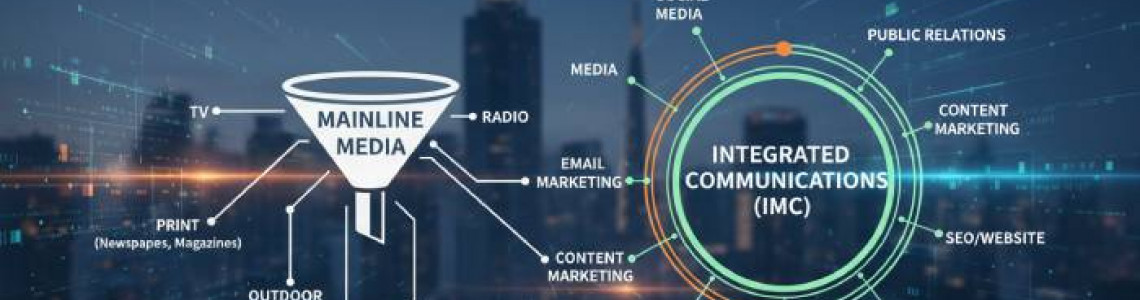
In today’s fragmented media landscape, brands are present across television, digital platforms, outdoor spaces, print publications, and social media feeds. Amid this complexity, Integrated Marketing Communications (IMC) has become essential for delivering a unified brand message. Within this framework, mainline media continues to play a powerful and strategic role, acting as the backbone that brings scale, credibility, and consistency to brand communication.
Understanding Integrated Marketing Communications (IMC)
Integrated Marketing Communications is a strategic approach that ensures all brand communications across channels work together cohesively. Rather than operating in silos, IMC aligns advertising, public relations, digital marketing, promotions, and on-ground activations to deliver one clear, consistent brand voice.
The goal of IMC is simple yet impactful:
Build strong brand recall
Create a seamless consumer experience
Maximize the effectiveness of every marketing touchpoint
What Is Mainline Media?
Mainline media refers to traditional mass media channels such as:
Television
Print (newspapers and magazines)
Radio
Cinema advertising
These platforms offer unmatched reach and are especially effective for campaigns targeting large, diverse audiences across geographies.
Why Mainline Media Matters in IMC
Despite the rapid growth of digital channels, mainline media remains central to successful IMC strategies for several reasons.
1. Establishing Brand Credibility and Trust
Mainline media is perceived as more authoritative and trustworthy compared to many digital formats. When consumers see a brand advertised on national television, in leading newspapers, or before a movie screening, it reinforces legitimacy and builds confidence. In an IMC framework, this credibility strengthens the impact of digital and social media efforts that follow.
2. Delivering Massive Reach at Scale
One of the biggest strengths of mainline media is its ability to reach millions simultaneously. Television and print are especially effective for nationwide product launches, festive campaigns, and brand repositioning exercises. In IMC, this mass exposure sets the foundation upon which targeted digital and experiential campaigns can build.
3. Creating a Strong Brand Narrative
Mainline media excels at storytelling. Television commercials, print creatives, and cinema ads allow brands to communicate emotion, values, and purpose in a compelling way. These narratives then flow seamlessly into digital adaptations, social media snippets, influencer collaborations, and point-of-sale messaging as part of a unified IMC strategy.
4. Acting as the Anchor Channel
In many integrated campaigns, mainline media serves as the anchor or lead channel. The primary campaign idea is often launched through TV or print, while digital media amplifies it through engagement, interaction, and performance-driven actions. This top-down approach ensures message consistency across platforms.
5. Enhancing Cross-Channel Synergy
When mainline media is integrated with digital, outdoor, and experiential channels, the combined impact is significantly higher. For example:
A TV campaign drives awareness
Social media sustains engagement
Outdoor media reinforces recall
Digital ads drive conversions
This synergy is the essence of IMC, and mainline media plays a critical role in initiating and reinforcing it.
Mainline Media and Digital: A Complementary Relationship
Rather than competing with digital media, mainline media complements it. Television and print create awareness and trust, while digital channels offer personalization, real-time interaction, and measurable outcomes. In an IMC approach, brands leverage the strengths of both to guide consumers from awareness to consideration and finally to action.
The Role of Mainline Media in the Indian Market
In markets like India, where audiences are culturally diverse and spread across urban and rural regions, mainline media remains indispensable. Television and regional print publications still command high attention and are instrumental in reaching non-digital-first consumers. For brands aiming for mass adoption, mainline media is a non-negotiable element of IMC.
Measuring the Impact Within IMC
While mainline media was once considered difficult to measure, modern tools have improved accountability. Metrics such as reach, frequency, brand lift studies, and attribution models now help marketers evaluate how mainline media contributes to overall IMC performance alongside digital analytics.
Conclusion
The role of mainline media in Integrated Marketing Communications is both foundational and strategic. It delivers scale, credibility, emotional storytelling, and consistency that few other channels can match. When integrated effectively with digital, outdoor, and experiential platforms, mainline media amplifies brand impact and ensures a cohesive consumer journey.
Elyts Advertising and Branding Solutions | www.elyts.in (India) | www.elyts.agency (UAE)
Related Products

Leave a Comment