
















DOOH | Malls Smart Screens Data | Real Time Campaign Optimization
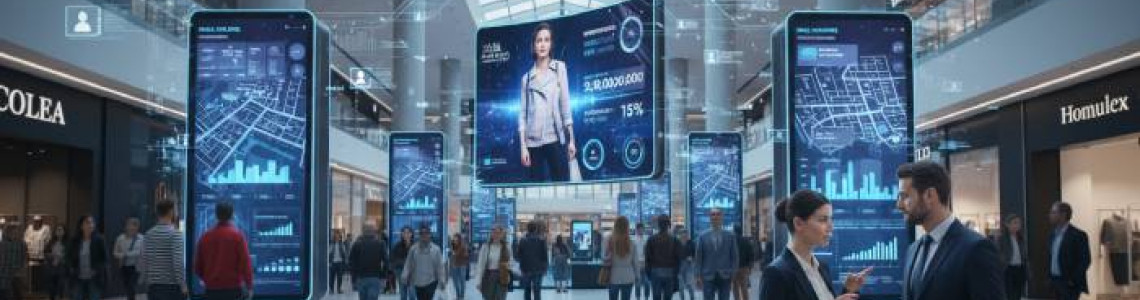
Digital transformation has reshaped the advertising industry, and one of the biggest beneficiaries is Digital Out-of-Home (DOOH) advertising in malls. As consumer behavior evolves and shopping malls become lifestyle destinations rather than just retail spaces, brands are leveraging smart screens, real-time data, and automated campaign optimization to drive measurable results.
The rise of DOOH in malls is not just about replacing static posters with digital screens — it’s about delivering dynamic, data-driven, and contextually relevant experiences to shoppers at the right moment.
What is DOOH Advertising in Malls?
DOOH (Digital Out-of-Home) advertising refers to digital media displayed in public spaces such as shopping malls, airports, metro stations, and commercial complexes. In malls, DOOH includes:
-
LED video walls
-
Digital standees
-
Escalator panels
-
Food court screens
-
Interactive kiosks
-
Smart directory displays
Unlike traditional OOH, mall-based DOOH allows advertisers to update creatives instantly, run multiple ads in rotation, and optimize campaigns based on live performance metrics.
Why Malls Are Prime Locations for DOOH
Modern malls attract high-footfall audiences with strong purchasing intent. Visitors typically spend extended time browsing, dining, and engaging in entertainment activities. This creates multiple touchpoints for brands to interact with potential customers.
Key Advantages of Mall DOOH Advertising:
-
High Dwell Time – Shoppers spend hours inside malls.
-
Premium Audience – Urban, aspirational, and high-spending consumers.
-
Strategic Screen Placement – Entrances, atriums, food courts, and anchor stores.
-
Purchase-Ready Mindset – Immediate influence on buying decisions.
Because mall visitors are already in a buying environment, DOOH campaigns can directly impact in-store conversions and impulse purchases.
Smart Screens: The Game Changer
Smart screens are at the core of modern mall DOOH campaigns. These are not just display panels; they are intelligent advertising systems integrated with:
-
Audience analytics
-
Motion sensors
-
AI-based content triggers
-
Programmatic ad buying platforms
Smart screens can detect crowd density, time of day, or even demographic patterns (anonymized data) to trigger relevant creatives. For example:
-
A restaurant promotion displayed during lunch hours
-
A fashion sale highlighted during weekends
-
A movie trailer shown near multiplex entries
This contextual intelligence ensures maximum relevance and higher engagement.
The Role of Data in Mall DOOH Campaigns
Data has transformed DOOH from a branding medium into a performance-driven channel. Mall operators and media agencies now use:
1. Footfall Analytics
Sensors and AI tools measure the number of visitors and peak traffic times.
2. Heat Mapping
Identifies high-visibility zones within the mall.
3. Audience Profiling
Analyzes shopper demographics and behavior patterns.
4. Real-Time Reporting
Provides advertisers with campaign impressions and estimated reach.
This data enables brands to refine targeting, adjust creative formats, and allocate budgets more effectively.
Real-Time Campaign Optimization
One of the biggest advantages of mall DOOH is the ability to optimize campaigns instantly.
How Real-Time Optimization Works:
-
Dynamic Creative Updates – Ads can be changed remotely within minutes.
-
Time-Based Scheduling – Different creatives run at different times.
-
Weather-Triggered Ads – Promote cold beverages on hot days.
-
Inventory-Based Promotions – Highlight products that are in stock.
-
Performance-Based Adjustments – Modify messaging based on engagement metrics.
Unlike traditional hoardings that remain static for weeks, DOOH allows brands to test, analyze, and refine continuously.
Programmatic DOOH in Malls
Programmatic technology has entered the DOOH ecosystem, enabling automated ad buying and placement. Brands can:
-
Bid for premium screen slots
-
Target specific times and locations
-
Control budgets in real time
-
Integrate DOOH with digital and social campaigns
This integration creates a seamless omnichannel strategy where mall visitors see consistent messaging across mobile, social media, and physical screens.
Benefits for Retail Brands
Retailers inside malls gain significant advantages from DOOH advertising:
-
Increased Footfall to Stores
-
Stronger Brand Recall
-
Impulse Purchase Triggers
-
Cross-Promotion Opportunities
-
Enhanced Shopper Experience
For example, a clothing brand can run a flash sale announcement on mall screens, driving immediate in-store visits within minutes.
The Future of DOOH in Malls
The next phase of mall DOOH will be driven by:
-
AI-powered audience targeting
-
Augmented reality experiences
-
Interactive touch-enabled screens
-
Integration with mobile retargeting
-
Advanced attribution models
As smart malls continue to adopt digital infrastructure, DOOH will become more measurable, personalized, and ROI-focused.
Final Thoughts
The rise of DOOH in malls reflects a broader shift toward intelligent, data-driven advertising. Smart screens, real-time analytics, and programmatic buying are transforming malls into powerful digital advertising ecosystems.
For brands looking to capture attention in high-intent environments, mall-based DOOH offers the perfect combination of visibility, relevance, and measurable performance. In a competitive retail landscape, the ability to optimize campaigns instantly and engage shoppers contextually makes DOOH one of the most effective advertising strategies today.
Elyts Advertising and Branding Solutions | www.elyts.in (India) | www.elyts.agency (UAE)
Related Products





Leave a Comment