














How Retail Brands Use OOH Media to Drive Footfall and Conversions
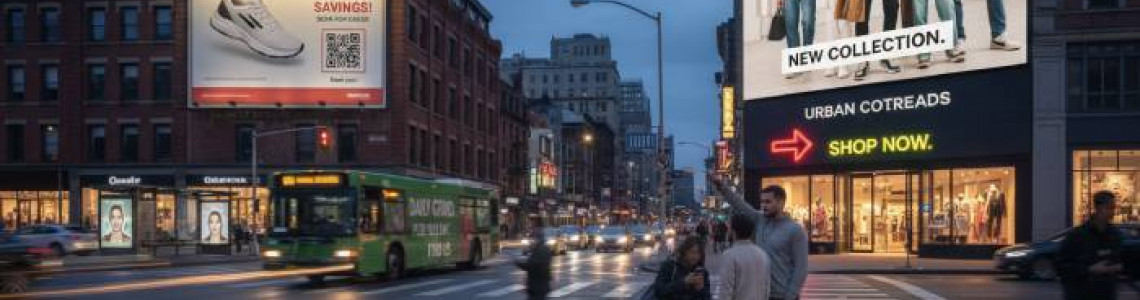
In today’s omnichannel marketplace, retail brands are constantly searching for impactful ways to increase store visits and boost sales. While digital advertising dominates online conversations, Out-of-Home (OOH) media continues to play a powerful role in influencing consumer decisions in the real world. From high-traffic highways to bustling shopping districts, OOH media strategically connects brands with consumers at the right place and time.
For retail brands, OOH is not just about visibility—it’s about driving measurable footfall and conversions.
Understanding OOH Media in Retail Marketing
OOH media includes billboards, transit ads, mall media, street furniture, airport advertising, and Digital Out-of-Home (DOOH) screens. Unlike digital ads that can be skipped or blocked, OOH placements are unavoidable in high-traffic locations, making them ideal for retail promotions.
Retail brands leverage OOH media to:
-
Increase brand awareness
-
Announce new store launches
-
Promote seasonal offers
-
Highlight limited-time discounts
-
Direct customers to nearby outlets
By placing ads close to retail stores or in high-density areas, brands ensure their message influences consumers during purchase consideration moments.
Location-Based Targeting: The Core Advantage
One of the biggest strengths of OOH media is location intelligence. Retail brands strategically choose ad placements near malls, markets, metro stations, and busy intersections to capture attention from potential shoppers.
For example:
-
A fashion brand promoting a festive sale places billboards near shopping complexes.
-
A quick-service restaurant advertises near office hubs during lunch hours.
-
A supermarket uses DOOH screens near residential communities to promote weekend offers.
This hyperlocal targeting drives immediate action and increases store visits.
Digital OOH (DOOH): Bridging Offline and Online
With advancements in technology, Digital Out-of-Home (DOOH) has transformed traditional billboard advertising. DOOH allows dynamic content updates, time-based messaging, and integration with mobile campaigns.
Retail brands use DOOH to:
-
Display real-time offers
-
Run countdown promotions
-
Personalize ads based on time of day
-
Sync campaigns with social media trends
For instance, a retail chain may promote breakfast combos in the morning and dinner discounts in the evening using the same digital screen.
Creating Urgency with Time-Sensitive Campaigns
Retail success often depends on urgency. OOH campaigns effectively create FOMO (Fear of Missing Out) by showcasing:
-
“Only 2 Days Left!”
-
“Flat 50% Off – Today Only”
-
“Grand Opening – Visit Now”
Strategically placed OOH ads near retail stores remind customers about limited-time offers and encourage impulse visits.
Integrating OOH with Mobile and QR Technology
Modern retail OOH campaigns often combine offline visibility with digital engagement. Brands include:
-
QR codes for instant coupon downloads
-
NFC-enabled posters
-
Short URLs and branded hashtags
-
Location-based mobile retargeting
When consumers see a billboard and later browse online, geo-targeted ads reinforce the brand message, improving conversion rates.
Building Brand Trust Through Repetition
Repeated exposure builds familiarity and trust. When consumers frequently see a retail brand’s billboard on their daily commute, it creates top-of-mind recall. This familiarity significantly influences purchase decisions when they are ready to shop.
Retail categories that benefit greatly include:
-
Fashion and apparel
-
Electronics
-
Grocery and FMCG
-
Beauty and wellness
-
Furniture and home décor
Measuring Footfall and ROI
One common misconception is that OOH media cannot be measured. Today, retail brands use advanced analytics tools to track performance through:
-
Geo-fencing and mobile tracking
-
Footfall attribution studies
-
Sales lift analysis
-
Promo code redemptions
-
Store visit data
These methods help brands understand how OOH campaigns impact both foot traffic and in-store conversions.
Case Example: Retail Brands Winning with OOH
Globally recognized retailers like Zara, IKEA, and Nike frequently use large-format billboards and transit advertising to drive store visits during new collection launches and seasonal sales. Their visually compelling creatives, combined with strategic placements, ensure high recall and strong footfall impact.
Why OOH Remains Essential for Retail Growth
Despite the rise of digital advertising, OOH media offers unique advantages:
-
High visibility in prime locations
-
Non-intrusive yet impactful presence
-
Strong local targeting
-
Support for omnichannel marketing strategies
-
Increased trust through physical presence
Retail brands that integrate OOH with digital, social media, and in-store promotions experience significantly higher engagement and conversion rates.
Final Thoughts
In a competitive retail environment, capturing consumer attention at the right moment is crucial. OOH media delivers scale, credibility, and location precision—making it a powerful tool for driving footfall and boosting sales.
For retail brands aiming to strengthen both brand presence and in-store performance, OOH is not just an awareness channel—it’s a conversion engine.
Elyts Advertising and Branding Solutions | www.elyts.in (India) | www.elyts.agency (UAE)
Related Products
Leave a Comment