
















How Regional Language OOH Campaigns Are Winning Indian Audiences
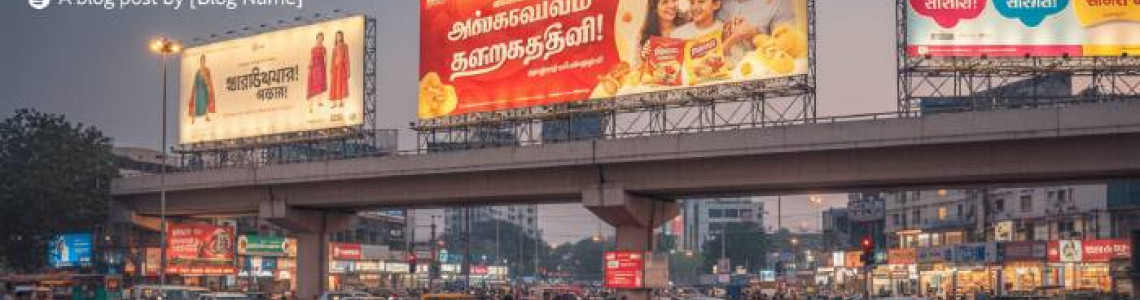
India’s diversity is reflected not only in its people but also in its languages. With over 22 officially recognized languages and hundreds of dialects spoken across the country, brands are increasingly realizing that a one-size-fits-all approach to advertising doesn’t resonate with Indian consumers. This is where regional language OOH (Out-of-Home) campaigns are making a remarkable impact.
1. The Power of Speaking in the Audience’s Language
Research consistently shows that consumers engage more with content in their native language. In India, regional language campaigns evoke a sense of familiarity, trust, and relatability. For example, a billboard in Tamil Nadu featuring Tamil messaging is more likely to grab attention and leave a lasting impression than an English-only ad. This connection is particularly critical in tier 2 and tier 3 cities where English literacy may be lower.
2. Cultural Relevance Drives Engagement
Regional language OOH campaigns allow brands to integrate local culture, festivals, and colloquialisms into their messaging. By doing so, brands not only communicate their product or service but also position themselves as culturally aware and empathetic. This strategy increases memorability and encourages audience interaction, whether through QR codes, app engagement, or social media mentions.
3. Enhanced Recall and Brand Loyalty
Vernacular campaigns improve brand recall because the audience feels personally addressed. Studies have shown that advertising in one’s native language can increase recall by up to 30%. Over time, this connection fosters brand loyalty, as consumers tend to trust and prefer brands that communicate in a language they are comfortable with.
4. Strategic Placement for Maximum Impact
Regional language OOH campaigns thrive on hyperlocal placement. From local markets, bus stops, and metro stations to roadside hoardings in smaller towns, advertisers are strategically positioning their campaigns where regional audiences are most active. Combining regional language messaging with location-based targeting ensures maximum visibility and relevance.
5. Integrating Digital and Social Media Amplification
Many successful regional language campaigns now integrate digital touchpoints. QR codes on regional-language billboards link consumers to apps, social media campaigns, or websites, often in the same regional language. This combination of offline OOH and online digital strategies strengthens brand engagement and drives measurable ROI.
6. Case Studies and Success Stories
Several Indian brands have leveraged regional language OOH campaigns effectively:
-
Dabur localized Ayurveda product campaigns in Hindi, Tamil, and Bengali across tier 2 and tier 3 cities, driving awareness and adoption.
-
Big Bazaar used vernacular messaging during festive seasons, increasing footfall and purchase frequency.
-
Hindustan Unilever deployed regional language campaigns for personal care products in rural India, resulting in a notable spike in product trials.
7. The Road Ahead
As India’s advertising landscape becomes more competitive, regional language OOH campaigns will continue to play a pivotal role. Brands that embrace localization, cultural authenticity, and audience-centric messaging are more likely to capture hearts and minds across India’s diverse markets.
Conclusion
Regional language OOH campaigns are not just a trend—they are a necessity for brands aiming to connect meaningfully with India’s vast and varied audience. By speaking the language of the consumer, embracing local culture, and strategically placing campaigns, brands can ensure higher engagement, better recall, and long-term loyalty. In a country where diversity is the norm, regional language advertising is the bridge between brands and consumers.
Elyts Advertising and Branding Solutions | www.elyts.in (India) | www.elyts.agency (UAE)
Related Products
Leave a Comment