














Programmatic OOH | How Automation is Changing Outdoor Advertising
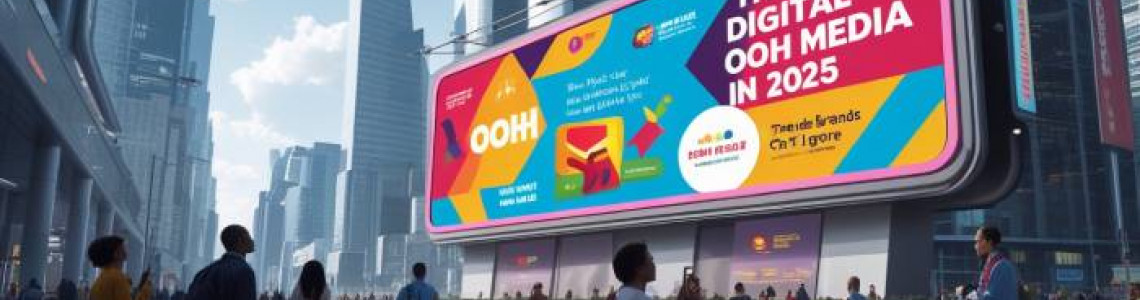
Outdoor advertising has always been about scale, visibility, and impact. From towering billboards to high-traffic transit displays, Out-of-Home (OOH) media plays a crucial role in brand awareness. However, as advertising ecosystems become more data-driven, traditional OOH is undergoing a powerful transformation. Enter Programmatic OOH (pOOH)—a technology-led evolution that is redefining how brands plan, buy, and optimize outdoor campaigns.
What is Programmatic OOH Advertising?
Programmatic OOH refers to the automated buying, selling, and delivery of digital out-of-home advertising using data, software platforms, and real-time decision-making. Instead of manual negotiations and fixed schedules, advertisers can purchase OOH inventory through demand-side platforms (DSPs), similar to digital advertising.
This automation allows brands to display the right message, at the right location, at the right time—maximizing relevance and efficiency.
How Automation is Transforming Outdoor Advertising
1. Data-Driven Targeting in the Physical World
One of the biggest shifts brought by programmatic OOH is audience-based targeting. Using data such as:
-
Footfall patterns
-
Mobile location data
-
Weather conditions
-
Time of day and traffic flow
Advertisers can trigger ads dynamically. For example, a beverage brand can promote cold drinks during hot afternoons or a food brand can push dinner offers during evening rush hours.
2. Real-Time Campaign Optimization
Unlike traditional OOH, where creatives remain static for weeks, programmatic OOH enables real-time updates and optimization. Brands can:
-
Pause or activate campaigns instantly
-
Change creatives based on live conditions
-
Optimize placements based on performance insights
This agility allows marketers to respond quickly to market trends, events, or consumer behavior.
3. Seamless Integration with Omnichannel Marketing
Programmatic OOH bridges the gap between digital and physical advertising. Campaigns can now be synchronized with:
-
Mobile ads
-
Social media campaigns
-
OTT and connected TV
-
Search and display advertising
This creates a cohesive omnichannel experience where OOH acts as a powerful offline touchpoint reinforcing digital messaging.
4. Improved Measurement and Transparency
One long-standing challenge of OOH advertising has been measurement. Automation addresses this by offering:
-
Impression-based buying
-
Audience analytics
-
Location-based attribution models
-
Brand lift and footfall analysis
Advertisers gain clearer visibility into campaign performance, making ROI tracking more transparent and reliable.
5. Cost Efficiency and Flexible Buying
Programmatic OOH allows advertisers to buy inventory more efficiently. Brands can:
-
Purchase ads for specific time slots
-
Control budgets more precisely
-
Avoid long-term fixed contracts
This flexibility makes OOH accessible not just to large brands but also to startups and mid-sized businesses looking for high-impact visibility.
Key Benefits of Programmatic OOH Advertising
-
Smarter media planning using real-world data
-
Higher relevance through contextual messaging
-
Faster execution with automated workflows
-
Scalable campaigns across cities and formats
-
Enhanced audience engagement in high-traffic environments
Challenges and Considerations
While programmatic OOH offers immense potential, advertisers must also consider:
-
Data privacy and compliance
-
Quality of location and audience data
-
Creative adaptability for different screen formats
-
Integration with existing media strategies
Working with experienced OOH and media planning partners ensures these challenges are addressed effectively.
The Future of Programmatic OOH
As smart cities, 5G connectivity, and AI-driven analytics continue to evolve, programmatic OOH will become even more intelligent and interactive. Expect to see:
-
AI-powered creative optimization
-
Deeper personalization at scale
-
Voice and motion-enabled DOOH screens
-
Stronger integration with retail and mobility data
For brands aiming to stay competitive, programmatic OOH is no longer optional—it’s a strategic necessity.
Conclusion
Programmatic OOH is revolutionizing outdoor advertising by combining the impact of physical visibility with the precision of digital technology. Automation is making OOH smarter, more measurable, and more responsive than ever before. As advertisers seek meaningful consumer connections in cluttered media environments, programmatic OOH stands out as a powerful solution shaping the future of brand communication.
Elyts Advertising and Branding Solutions | www.elyts.in (India) | www.elyts.agency (UAE)
Related Products
Leave a Comment