















Programmatic Mall Media | Smarter Targeting Inside Shopping Malls
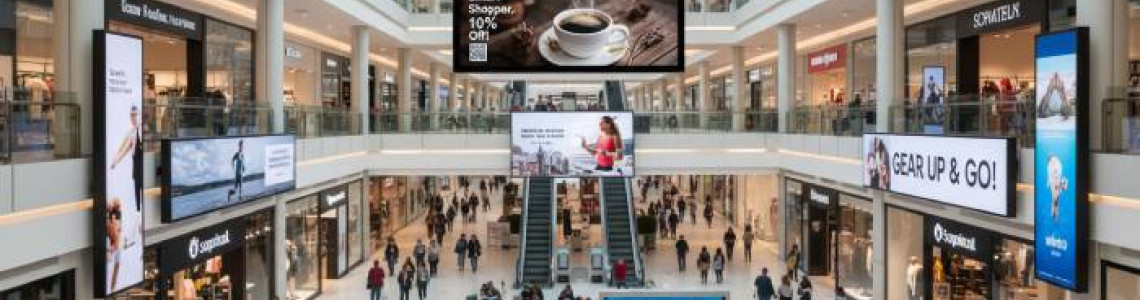
Shopping malls have always been powerful advertising environments, offering brands direct access to high-intent consumers. In 2026, this influence is evolving rapidly with the rise of programmatic mall media. By combining digital screens, data intelligence, and automated ad buying, programmatic mall media is transforming how brands target, engage, and convert shoppers inside malls.
What Is Programmatic Mall Media?
Programmatic mall media refers to the automated buying, placement, and optimization of digital advertisements displayed across mall-based digital screens. These include digital directories, LED video walls, lift screens, food court displays, and in-store DOOH networks. Instead of manually booking slots, advertisers use programmatic platforms to serve ads in real time based on audience data, location, time, and shopper behavior.
This approach mirrors programmatic digital advertising but is adapted for the physical retail environment, creating a seamless bridge between online precision and offline impact.
Why Programmatic Mall Media Matters
Modern consumers expect relevance. Generic mall advertising no longer delivers the same results as personalized, data-driven messaging. Programmatic mall media enables brands to deliver the right message to the right shopper at the right moment, increasing both engagement and ROI.
Key reasons it matters include:
Growing adoption of digital screens across premium malls
Increased availability of real-time audience data
Demand for measurable and performance-driven OOH campaigns
The need for omnichannel integration between online and offline media
Smarter Targeting Inside Shopping Malls
Programmatic mall media enables advanced targeting capabilities that were previously impossible with static formats.
1. Audience-Based Targeting
Advertisers can target shoppers based on demographics, interests, shopping intent, and past behavior. For example, fashion brands can target young adults during peak weekend hours, while electronics brands can focus on tech-savvy audiences in specific zones.
2. Location and Zone Targeting
Different mall zones attract different audiences. Programmatic systems allow brands to run tailored creatives near anchor stores, luxury corridors, food courts, cinemas, or kids’ play areas, ensuring contextual relevance.
3. Time-Based and Day-Part Targeting
Ads can be scheduled dynamically based on time of day, day of the week, or seasonal footfall trends. Breakfast offers can run in the morning, while entertainment or dining ads can dominate evenings and weekends.
4. Trigger-Based Messaging
Advanced setups allow ads to change based on triggers such as weather, special events, sales periods, or live footfall data. This makes mall advertising more responsive and impactful.
Benefits of Programmatic Mall Media
Improved Campaign Efficiency
Automation reduces manual planning and enables real-time optimization, ensuring better use of media budgets.
Higher Engagement and Recall
Relevant, timely messaging in a premium environment leads to stronger attention, brand recall, and purchase intent.
Real-Time Optimization
Advertisers can pause, scale, or modify campaigns instantly based on performance metrics, unlike traditional fixed OOH bookings.
Measurable Performance
Programmatic platforms offer metrics such as impressions, dwell time, frequency, and even attribution insights linked to store visits or sales uplift.
Seamless Omnichannel Integration
Mall media campaigns can be synced with mobile, social, and e-commerce advertising, creating a unified consumer journey from screen to store to smartphone.
Use Cases Across Industries
Retail & Fashion: Promote new collections, flash sales, and store launches
FMCG & D2C Brands: Drive product awareness near supermarkets and hyperstores
Entertainment & F&B: Target moviegoers and diners with timely offers
Automotive & Real Estate: Build brand awareness in premium, high-dwell environments
Fintech & Telecom: Educate and acquire customers during idle mall moments
Challenges and Considerations
While programmatic mall media offers powerful advantages, brands must consider data privacy compliance, creative adaptability for multiple screen formats, and selecting the right technology partners. Success depends on clean data, strong creative strategies, and alignment with overall marketing objectives.
The Future of Programmatic Mall Media
As malls evolve into experience-driven destinations, programmatic mall media will play a central role in shaping shopper engagement. With advancements in AI, footfall analytics, and cross-device attribution, mall advertising will become even more intelligent, personalized, and performance-focused.
Conclusion
Programmatic mall media represents the future of in-mall advertising. By combining automation, data, and digital screens, it delivers smarter targeting and measurable impact inside shopping malls. For brands looking to influence consumers at the point of purchase in a premium environment, programmatic mall media is no longer an option, it is a strategic necessity.
As malls continue to modernize, advertisers who embrace programmatic mall media early will gain a decisive edge in capturing shopper attention and driving real-world results.
Elyts Advertising and Branding Solutions | www.elyts.in (India) | www.elyts.agency (UAE)
Related Products




Leave a Comment