















Programmatic Mall Media Buying | Automating | Better Results
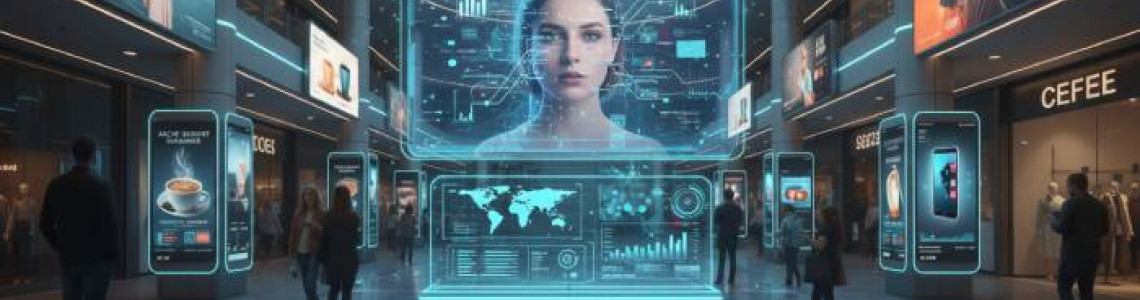
The advertising landscape is rapidly evolving, and mall media is no exception. As shopping centers transform into premium brand engagement hubs, advertisers are embracing smarter ways to reach high-intent consumers. One of the most powerful innovations driving this shift is Programmatic Mall Media Buying — a data-driven approach that automates in-mall advertising for improved efficiency, targeting, and measurable results.
In a world where real-time personalization matters, automation is redefining how brands connect with shoppers at the point of purchase.
What is Programmatic Mall Media Buying?
Programmatic mall media buying refers to the automated purchase of digital advertising inventory inside shopping malls using data, algorithms, and demand-side platforms (DSPs). Instead of manually booking ad spaces on digital screens, brands can:
-
Bid on ad placements in real time
-
Target specific shopper demographics
-
Optimize campaigns dynamically
-
Track performance instantly
This approach brings the sophistication of digital marketing into physical retail spaces through Digital Out-of-Home (DOOH) technology.
Why Programmatic is Transforming Mall Advertising
Traditional mall advertising required manual planning, fixed-duration bookings, and limited flexibility. Programmatic buying eliminates these inefficiencies.
1. Real-Time Campaign Optimization
Campaigns can be adjusted based on:
-
Footfall data
-
Time of day
-
Weather conditions
-
Sales performance
-
Audience demographics
If a brand notices higher conversions during weekends, budget allocation can instantly shift to peak hours.
2. Precision Audience Targeting
Modern malls use data analytics, Wi-Fi tracking, and anonymized mobility insights to understand shopper behavior. Programmatic systems allow advertisers to target:
-
Age groups
-
Income segments
-
Lifestyle categories
-
Frequent mall visitors
-
High-spending shoppers
This ensures ads are shown to consumers most likely to convert.
3. Improved ROI and Budget Efficiency
Unlike traditional static bookings, programmatic buying allows advertisers to:
-
Pay only for impressions delivered
-
Set frequency caps
-
Avoid overspending on low-traffic periods
-
Test multiple creatives in real time
This makes campaigns more cost-efficient and performance-driven.
How Programmatic Mall Media Works
The process typically involves:
-
Inventory Integration – Digital screens across malls are connected to programmatic exchanges.
-
Demand-Side Platforms (DSPs) – Advertisers use DSPs to bid on available ad slots.
-
Data Targeting – Audience data determines when and where ads appear.
-
Real-Time Bidding (RTB) – Ad impressions are auctioned in milliseconds.
-
Performance Analytics – Brands monitor impressions, engagement, and conversion lift.
This automation allows seamless omnichannel campaign execution, integrating mall media with mobile, social, and online ads.
Benefits for Retail and Luxury Brands
High-Intent Audience Reach
Mall visitors are already in buying mode. Programmatic ensures ads reach consumers when they are closest to purchase decisions.
Contextual Relevance
Brands can align messaging with:
-
Seasonal sales
-
Festive campaigns
-
Product launches
-
Store promotions
For example, a fashion brand can promote winter collections during colder days or highlight flash discounts during mall sale events.
Omnichannel Integration
Programmatic mall media can sync with:
-
Mobile retargeting campaigns
-
Geo-fencing strategies
-
E-commerce ads
-
Social media promotions
This creates a cohesive brand journey from awareness to purchase.
AI and Data: The Backbone of Smart Mall Media
Artificial Intelligence plays a critical role in optimizing in-mall campaigns. AI algorithms analyze:
-
Shopper traffic patterns
-
Historical performance data
-
Conversion trends
-
Behavioral insights
This enables predictive ad placements and smarter budget allocation.
As malls adopt smart screens, facial analytics (privacy-compliant), and footfall measurement tools, the effectiveness of programmatic buying continues to increase.
Industries Leveraging Programmatic Mall Media
Several sectors benefit from automated in-mall advertising:
-
Fashion & Apparel
-
Luxury Brands
-
Consumer Electronics
-
FMCG
-
Beauty & Personal Care
-
Automotive
-
Food & Beverage
These industries rely on impulse purchases and brand visibility — both of which are amplified through smart programmatic placements.
Key Metrics to Track
To ensure campaign success, advertisers monitor:
-
Impressions delivered
-
Footfall uplift
-
Store visit attribution
-
Engagement rate
-
Sales conversion impact
-
Cost per thousand impressions (CPM)
Data-backed insights allow continuous improvement and measurable performance tracking.
The Future of Programmatic In-Mall Advertising
As retail spaces become more digital, mall media is evolving into a high-tech advertising ecosystem. The future includes:
-
5G-powered dynamic creatives
-
Real-time personalization
-
AI-driven predictive targeting
-
Integrated retail media networks
-
Cross-device tracking
Programmatic mall media is no longer optional — it is becoming essential for brands that want measurable, scalable, and efficient advertising inside shopping centers.
Conclusion
Programmatic Mall Media Buying is revolutionizing in-mall advertising by combining automation, data intelligence, and real-time optimization. It empowers brands to reach high-intent shoppers with precision while maximizing ROI and minimizing waste.
As malls continue to transform into smart retail environments, automated advertising will define the next era of mall media success. Brands that adopt programmatic strategies today will gain a competitive edge in tomorrow’s retail landscape.
Elyts Advertising and Branding Solutions | www.elyts.in (India) | www.elyts.agency (UAE)
Related Products



Leave a Comment