














How Programmatic Buying Is Transforming OOH Media Planning
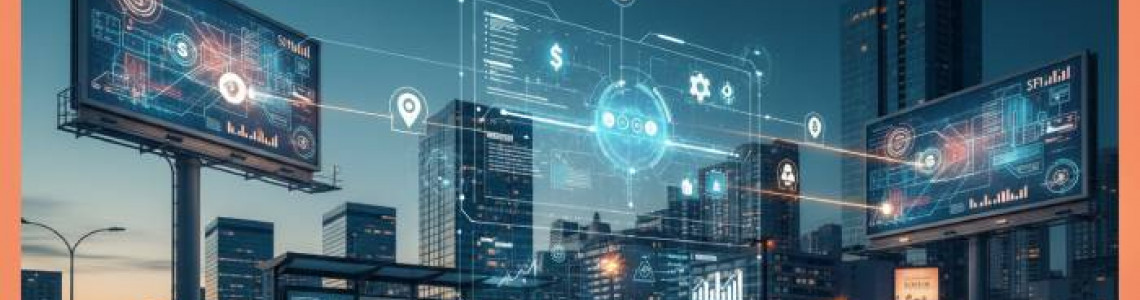
Out-of-Home (OOH) advertising has long been valued for its mass reach and real-world visibility. However, traditional OOH media planning relied heavily on fixed placements, long booking cycles, and limited measurement capabilities. Today, programmatic buying is transforming OOH media planning, bringing automation, data intelligence, and flexibility to one of advertising’s oldest channels.
As brands demand smarter, faster, and more measurable campaigns, Programmatic OOH (pOOH) is reshaping how media planners think about location, audience targeting, and real-time optimization.
What Is Programmatic OOH Buying?
Programmatic OOH refers to the automated buying, selling, and optimization of digital OOH inventory through technology platforms. Instead of manual negotiations and static bookings, media planners can purchase ad slots in real time using demand-side platforms (DSPs), similar to digital display and video advertising.
This shift enables brands to activate OOH campaigns dynamically based on data signals such as time, weather, audience movement, and contextual relevance.
The Shift from Traditional to Data-Driven OOH Planning
Traditional OOH planning focused on visibility and estimated footfall. While effective for brand awareness, it lacked precision and agility. Programmatic buying introduces a data-first approach, allowing planners to move from broad exposure to audience-centric strategies.
Media planners can now:
-
Target specific audience segments
-
Adjust creatives in real time
-
Optimize spends based on performance
-
Integrate OOH into omnichannel media plans
This evolution has made OOH more accountable and performance-oriented than ever before.
Key Ways Programmatic Buying Is Transforming OOH Media Planning
1. Smarter Audience Targeting
Programmatic OOH allows advertisers to target audiences based on:
-
Location and mobility patterns
-
Time of day and day of the week
-
Demographic and behavioral insights
-
Contextual triggers like weather or events
Instead of buying locations alone, planners can now buy audiences in physical environments, improving relevance and engagement.
2. Real-Time Campaign Optimization
Unlike static OOH campaigns, programmatic OOH enables:
-
Real-time budget allocation
-
Day-part and geo-based optimization
-
Performance-driven scheduling
Media planners can pause underperforming placements and shift budgets instantly, ensuring better ROI and reduced wastage.
3. Dynamic Creative Execution
Programmatic buying supports dynamic creative optimization (DCO) in OOH. Brands can change messaging based on:
-
Live weather conditions
-
Traffic congestion
-
Local events
-
Time-sensitive promotions
This contextual relevance increases message recall and makes OOH feel more personalized and timely.
4. Faster Planning and Execution
Traditional OOH campaigns often require weeks of planning and approvals. Programmatic platforms dramatically reduce turnaround time by:
-
Automating inventory discovery
-
Enabling instant bookings
-
Streamlining campaign management
This agility allows brands to launch reactive and short-term campaigns that were previously impossible with conventional OOH buying.
5. Improved Measurement and Attribution
One of the biggest challenges of OOH has been measurement. Programmatic buying introduces advanced analytics, including:
-
Impression tracking
-
Location-based attribution
-
Mobile retargeting integration
-
Footfall and lift studies
Media planners can now connect OOH exposure to online actions, making OOH a measurable part of the digital marketing funnel.
Integration with Omnichannel Media Strategies
Programmatic OOH seamlessly integrates with other digital channels such as:
-
Mobile advertising
-
Connected TV (CTV)
-
Social media
-
Programmatic display and video
This integration allows planners to build consistent brand narratives across physical and digital touchpoints, improving frequency management and cross-channel impact.
Benefits for Brands and Agencies
Programmatic buying in OOH offers clear advantages:
-
Greater planning flexibility
-
Enhanced audience relevance
-
Optimized media spends
-
Faster go-to-market
-
Stronger performance insights
For advertising agencies, it also means more strategic roles in data interpretation, creative alignment, and campaign optimization, rather than manual execution.
Challenges and Considerations
While programmatic OOH offers immense potential, planners must consider:
-
Inventory availability across regions
-
Data accuracy and privacy compliance
-
Creative adaptability for multiple formats
-
Platform and technology integration
Successful adoption requires the right mix of technology, data partnerships, and creative strategy.
The Future of OOH Media Planning
As smart cities, 5G connectivity, and AI-driven analytics continue to evolve, programmatic OOH will become a core component of modern media planning. The line between digital and physical advertising will continue to blur, making OOH more responsive, interactive, and measurable.
For brands aiming to stay competitive, embracing programmatic buying is no longer optional—it’s essential.
Conclusion
Programmatic buying is fundamentally transforming OOH media planning by making it data-driven, dynamic, and measurable. It empowers brands to reach the right audiences at the right moment, while giving media planners the tools to optimize performance in real time.
As the advertising landscape moves toward smarter and more integrated strategies, programmatic OOH stands at the intersection of innovation and impact, redefining how brands connect with audiences in the real world.
Elyts Advertising and Branding Solutions | www.elyts.in (India) | www.elyts.agency (UAE)
Related Products

Leave a Comment