















PPC Advertising Trends: Maximizing ROI in 2026 | Digital | Elyts
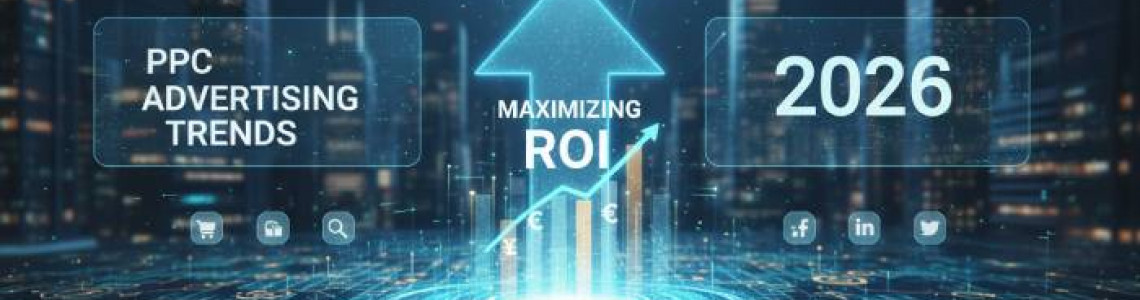
Pay-per-click (PPC) advertising continues to be a cornerstone of digital marketing, driving measurable results for businesses worldwide. As we step into 2026, the PPC landscape is evolving rapidly, influenced by AI, automation, and changing consumer behavior. Staying ahead of these trends is crucial for marketers aiming to maximize ROI and maintain a competitive edge.
1. AI and Machine Learning Revolutionize PPC Campaigns
Artificial intelligence (AI) is no longer optional in PPC management. Modern platforms leverage machine learning to optimize bidding, ad placements, and audience targeting in real-time. Predictive algorithms can identify high-converting keywords and optimize budgets automatically, reducing wasted ad spend. In 2026, marketers who embrace AI-driven PPC strategies will enjoy higher ROI with less manual intervention.
2. Automation and Smart Bidding Take Center Stage
Automation tools are transforming PPC campaigns. Smart bidding strategies, powered by AI, adjust bids dynamically based on conversion likelihood, time of day, device type, and user behavior. Google Ads’ Performance Max campaigns and similar features on other platforms make it easier than ever to reach the right audience at the right moment.
3. Video and Visual Ads Dominate Paid Search
Consumers increasingly engage with video content across platforms. Video ads in PPC campaigns, especially on social media and YouTube, are proving highly effective in capturing attention and driving conversions. Visual-first advertising will dominate PPC strategies in 2026, with interactive ad formats improving engagement and boosting ROI.
4. First-Party Data and Privacy Compliance
With privacy regulations tightening and cookies becoming obsolete, first-party data has become a critical asset for PPC marketers. Using in-house customer data to build precise audience segments allows for personalized campaigns without violating privacy standards. This trend ensures higher targeting accuracy and better ROI while maintaining compliance with regulations like GDPR and CCPA.
5. Voice Search Optimization in Paid Campaigns
Voice search is gaining traction with the rise of smart speakers and AI assistants. PPC campaigns need to adapt by incorporating conversational keywords and natural language phrases. Optimizing for voice search allows advertisers to capture high-intent traffic and stay ahead of competitors in a voice-first digital ecosystem.
6. Cross-Channel Integration for Maximum Impact
Integrated campaigns across search, social media, display, and e-commerce platforms enhance the effectiveness of PPC efforts. Consistent messaging and synchronized targeting increase engagement and conversion rates. In 2026, marketers will increasingly adopt a holistic, cross-channel approach to maximize ROI.
7. Focus on Conversion Rate Optimization (CRO)
Driving traffic through PPC is just one part of the equation; converting that traffic is equally critical. Advanced CRO techniques, such as personalized landing pages, A/B testing, and dynamic ad copy, help convert clicks into sales. Optimizing the post-click experience is essential for achieving maximum ROI.
Conclusion
PPC advertising in 2026 is all about precision, automation, and adaptability. Leveraging AI, video content, first-party data, and cross-channel strategies will empower marketers to maximize ROI in increasingly competitive digital markets. Staying ahead of these trends is no longer optional—it’s essential for sustainable growth and long-term success.
Elyts Advertising and Branding Solutions | www.elyts.in (India) | www.elyts.agency (UAE)
Related Products
Leave a Comment