
















Power | Influencers | Athletes in Modern Sports Media Marketing
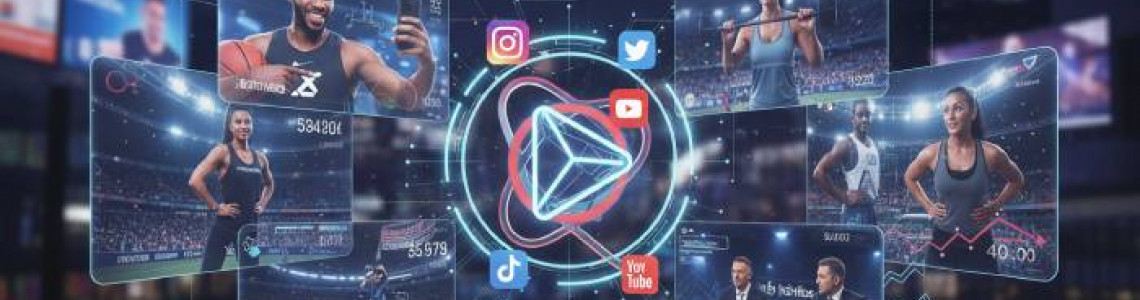
In today’s hyper-connected digital world, sports media marketing has evolved far beyond traditional television commercials and stadium sponsorships. Social media platforms, streaming services, and on-demand content have shifted how fans consume sports—and how brands connect with them. At the center of this transformation stand influencers and athletes, who have become powerful marketing engines in modern sports media.
From viral Instagram reels to live-stream collaborations, athletes and digital creators are reshaping how sports stories are told, shared, and monetized.
The Shift from Traditional Advertising to Personal Influence
For decades, sports marketing relied on TV ads, billboards, and event sponsorships. While these channels still matter, audience behavior has changed. Fans now spend more time on platforms like Instagram, YouTube, and short-form video apps than watching traditional broadcasts.
Modern consumers trust individuals more than brands. They follow athletes not just for performance on the field, but for lifestyle content, behind-the-scenes moments, training routines, and personal values. This emotional connection gives influencers and athletes unmatched credibility.
Instead of brands speaking directly to consumers, they now collaborate with trusted personalities who already command loyal audiences.
Why Athletes Are Powerful Marketing Assets
Professional athletes have always influenced culture, but today their impact extends beyond stadiums.
1. Authenticity and Trust
Athletes build their reputation through dedication, performance, and discipline. When they endorse a product, fans often perceive it as genuine rather than promotional. This trust translates into higher engagement and stronger brand recall.
2. Global Reach
International sports stars attract global audiences. A single social media post can reach millions instantly, breaking geographical barriers.
3. Multi-Platform Presence
Athletes now maintain active profiles across platforms, share personal content, and even produce independent media. This allows brands to integrate campaigns across multiple touchpoints—social media, streaming platforms, podcasts, and live events.
The Rise of Digital Influencers in Sports Media
Not all sports marketing power lies with professional players. Fitness trainers, sports analysts, esports streamers, and fan creators have built niche communities with strong engagement rates.
These micro and macro influencers offer:
-
Highly targeted audiences
-
Better engagement compared to traditional ads
-
Cost-effective marketing solutions
-
Authentic storytelling opportunities
For example, a fitness influencer demonstrating training gear feels more relatable than a scripted TV advertisement.
Social Media: The Ultimate Sports Marketing Arena
Social media platforms have become the new stadiums for brand storytelling. Live match reactions, training clips, brand collaborations, and fan interactions create real-time engagement.
Features like live streaming, stories, reels, and interactive polls allow athletes and influencers to:
-
Promote products organically
-
Run contests and giveaways
-
Drive traffic to brand websites
-
Increase direct sales through affiliate links
Brands can track engagement metrics instantly, making campaigns more measurable than traditional media.
Athlete-Driven Personal Branding
Modern athletes are no longer just sports professionals—they are personal brands.
They launch clothing lines, fitness programs, NFTs, podcasts, and production houses. By building independent identities, athletes control their narratives and revenue streams. Brands partnering with such athletes benefit from strong storytelling and emotional alignment.
Personal branding also allows athletes to connect with fans on social issues, lifestyle choices, and motivational journeys, strengthening loyalty.
Data-Driven Influencer Campaigns
Advanced analytics now help brands select the right influencers and athletes based on:
-
Audience demographics
-
Engagement rates
-
Content performance
-
Conversion metrics
This data-driven approach ensures marketing budgets deliver measurable ROI. Brands can test campaigns, optimize strategies, and refine targeting in real time.
The Role of Esports and New-Age Athletes
Esports players and gaming influencers have become major players in sports media marketing. With millions of viewers tuning in to live gaming tournaments, brands are exploring partnerships with digital athletes.
These collaborations open doors to younger, tech-savvy audiences who may not engage with traditional sports media.
Challenges in Influencer and Athlete Marketing
While the opportunities are vast, there are risks:
-
Over-commercialization can reduce authenticity
-
Reputation issues can impact brand partnerships
-
Short-term campaigns may fail to build lasting impact
To succeed, brands must focus on long-term relationships rather than one-off promotions.
The Future of Influencer-Led Sports Marketing
The future of sports media marketing lies in deeper collaboration, immersive experiences, and technology integration. Augmented reality, live commerce, AI-powered personalization, and interactive fan engagement will further amplify influencer-driven campaigns.
Athletes and influencers will continue evolving into content creators, entrepreneurs, and media owners. Brands that adapt early will gain competitive advantages in reach, engagement, and consumer loyalty.
Conclusion
The power of influencers and athletes in modern sports media marketing is undeniable. They bring authenticity, engagement, and measurable impact to brand campaigns. As digital platforms continue to dominate fan attention, influencer-led strategies will become a central pillar of sports marketing.
For businesses looking to grow in the sports media landscape, collaborating with the right voices is no longer optional—it is essential.
Elyts Advertising and Branding Solutions | www.elyts.in (India) | www.elyts.agency (UAE)
Related Products


Leave a Comment