















Top OOH Media Trends Shaping Brand Visibility | Digital Marketing
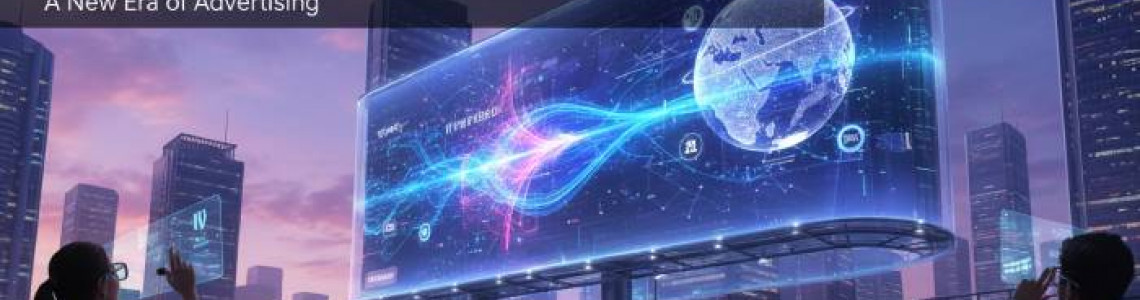
Out-of-Home (OOH) advertising is undergoing a major transformation. No longer limited to static billboards, OOH in 2026 is smarter, more interactive, data-driven, and deeply integrated with digital ecosystems. As brands compete for attention in an increasingly fragmented media landscape, these emerging OOH trends are redefining how visibility and impact are achieved.
1. Rapid Growth of Digital Out-of-Home (DOOH)
DOOH continues to dominate the OOH landscape in 2026. High-resolution LED screens, dynamic content rotation, and real-time updates allow brands to deliver timely and contextually relevant messages. From malls and airports to highways and metro stations, DOOH enables flexibility, creativity, and scalability like never before.
2. Contextual and Location-Based Messaging
Brands are increasingly tailoring OOH creatives based on time of day, weather, traffic conditions, and local events. Contextual relevance significantly improves ad recall and engagement, making OOH messaging more meaningful and less intrusive.
For example, a food brand promoting breakfast in the morning and snacks in the evening using the same screen maximizes impact without extra inventory.
3. Data-Driven Planning Without Compromising Privacy
OOH media planning in 2026 relies heavily on anonymized mobility data, footfall analytics, and audience movement patterns. These insights help brands choose the right locations and formats without using personal data, aligning perfectly with privacy-first advertising standards.
4. Interactive and Experiential OOH Campaigns
Interactive OOH is gaining momentum as brands look to create memorable experiences. Touchscreens, QR codes, AR integrations, and mobile-linked experiences are turning passive viewers into active participants.
These experiential formats boost engagement, social sharing, and earned media—extending campaign reach far beyond the physical location.
5. Integration with Mobile and Social Media
OOH is no longer a standalone channel. In 2026, it works in synergy with mobile, social, and search platforms. Consumers exposed to OOH ads are more likely to perform branded searches or engage with digital content later.
This omnichannel approach ensures consistent messaging and higher conversion opportunities across platforms.
6. Sustainability-Focused OOH Solutions
Sustainability is becoming a key consideration in OOH planning. Energy-efficient LED screens, eco-friendly materials, and responsible media placement are shaping brand perceptions. Advertisers are increasingly choosing partners that align with their ESG goals, making green OOH a strong differentiator.
7. Premiumization of OOH Inventory
Brands are prioritizing quality over quantity by investing in high-impact, premium OOH locations. Iconic billboards, landmark installations, and high-footfall urban zones deliver stronger brand recall and long-term value compared to scattered placements.
Conclusion
In 2026, OOH media is smarter, more measurable, and more integrated than ever before. By embracing digital innovation, contextual relevance, and privacy-safe data, OOH continues to shape brand visibility in powerful ways. For advertisers seeking scale, trust, and real-world impact, OOH remains an essential pillar of modern marketing strategies.
Elyts Advertising and Branding Solutions | www.elyts.in (India) | www.elyts.agency (UAE)
Related Products

Leave a Comment