















OOH Media for Local | National Brands Choosing the Right Strategy
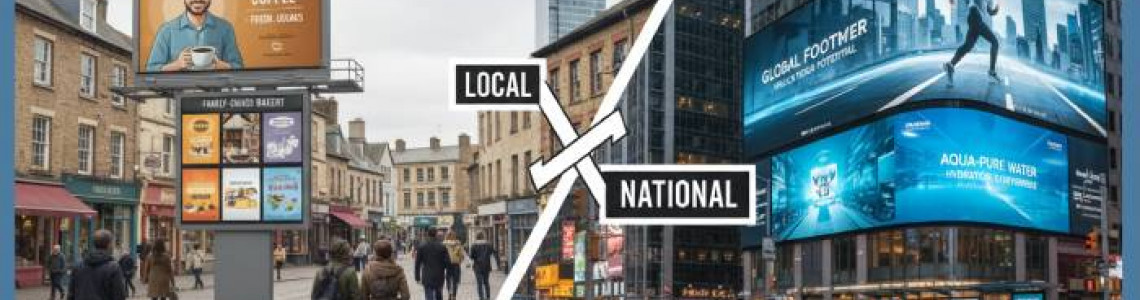
Out-of-Home (OOH) media continues to be one of the most powerful advertising channels for building brand visibility in both urban and semi-urban markets. From billboards and transit ads to digital screens and street furniture, OOH media reaches consumers in the real world where purchase decisions are often influenced. However, the way OOH media is planned and executed differs significantly for local brands versus national brands. Choosing the right OOH strategy depends on brand scale, objectives, budget, and audience behavior.
This article explores how local and national brands can effectively use OOH media and how to select the right strategy for maximum impact.
Understanding OOH Media in Today’s Marketing Mix
OOH media includes all advertising formats that reach consumers outside their homes, such as billboards, bus shelters, metro stations, airports, malls, and digital outdoor screens. With advancements in Digital Out-of-Home (DOOH), brands can now leverage dynamic creatives, real-time messaging, and data-driven placements.
For both local and national brands, OOH media offers:
High visibility and unavoidable exposure
Strong brand recall
Support for online and offline campaigns
Trust and credibility in physical spaces
Despite these shared benefits, execution varies based on brand scale.
OOH Media Strategy for Local Brands
Local brands typically operate within a limited geographic area such as a city, district, or region. Their primary goal is to drive footfall, local awareness, and immediate action.
Key Objectives for Local Brands
Increase visibility in a specific neighborhood or city
Drive store visits or local inquiries
Build trust within the community
Promote offers, launches, or seasonal campaigns
Best OOH Formats for Local Brands
Street-level billboards and hoardings near marketplaces and residential areas
Bus shelters and transit ads targeting daily commuters
Retail and mall media close to the point of sale
Wall wraps and pole kiosks for hyperlocal visibility
Strategy Tips for Local Brands
Focus on high-frequency exposure rather than wide reach
Use simple, bold messaging with clear calls to action
Highlight location details, contact numbers, or directions
Leverage regional language creatives for better connection
For local brands, OOH works best when it complements on-ground promotions and digital campaigns like Google Maps ads or local social media targeting.
OOH Media Strategy for National Brands
National brands operate across multiple cities or regions and aim to build consistent brand presence at scale. Their OOH campaigns are often focused on awareness, brand positioning, and long-term recall.
Key Objectives for National Brands
Establish strong nationwide brand visibility
Maintain consistency across markets
Support large product launches or festive campaigns
Reinforce brand identity and credibility
Best OOH Formats for National Brands
Large-format billboards on highways and premium city locations
Airport advertising for high-value and frequent travelers
Metro and railway station branding for mass reach
Digital OOH networks for dynamic and scalable campaigns
Strategy Tips for National Brands
Maintain consistent branding and messaging across locations
Use data-driven planning to select high-impact markets
Combine static and digital OOH for broader coverage
Integrate OOH with TV, digital, and social media campaigns
National brands benefit from OOH’s ability to reinforce mass-media messaging and create a strong physical presence that supports digital impressions.
Local vs National Brands: Key Differences in OOH Approach
| Aspect | Local Brands | National Brands |
|---|---|---|
| Geographic Focus | City or region-specific | Multi-city or nationwide |
| Budget Size | Limited and focused | Larger and scalable |
| Media Selection | Hyperlocal placements | Premium and high-reach formats |
| Messaging | Promotional and action-driven | Brand-led and consistent |
| Campaign Duration | Short-term or tactical | Long-term and strategic |
Understanding these differences helps brands avoid overspending or underutilizing OOH media.
Choosing the Right OOH Strategy
To choose the right OOH media strategy, brands should consider:
Campaign goals: Awareness, footfall, or brand building
Target audience: Daily commuters, shoppers, travelers, or professionals
Budget allocation: Frequency versus reach
Market presence: Single city or multiple regions
Local brands should prioritize relevance and proximity, while national brands should focus on scale, consistency, and premium visibility.
The Role of DOOH in Bridging the Gap
Digital Out-of-Home media is increasingly bridging the gap between local and national strategies. DOOH allows:
Local brands to run cost-effective, time-based ads
National brands to execute programmatic and data-led campaigns
Real-time content updates and contextual messaging
Both brand types can benefit from DOOH’s flexibility and measurable impact.
Conclusion
OOH media remains a highly effective channel for both local and national brands when used strategically. While local brands benefit from hyperlocal targeting and action-oriented messaging, national brands leverage scale, consistency, and premium placements. The key to success lies in aligning OOH strategy with business goals, audience behavior, and budget realities.
Elyts Advertising and Branding Solutions | www.elyts.in (India) | www.elyts.agency (UAE)
Related Products

Leave a Comment