















Measuring ROI | Mall Media Campaigns Metrics That Matter in 2026
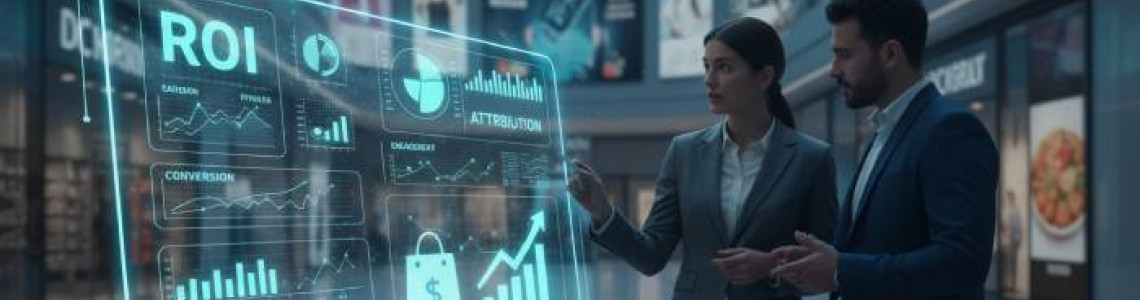
In 2026, mall media advertising is no longer just about premium visibility — it’s about measurable performance. With advanced data tracking, AI-powered insights, and integrated digital ecosystems, brands now expect clear, data-driven ROI from every mall media campaign.
As shopping malls evolve into experiential retail hubs, marketers must move beyond vanity metrics and focus on performance indicators that directly impact revenue, brand lift, and customer acquisition.
This article explores the most important ROI metrics for mall media campaigns in 2026 and how brands can track, analyze, and optimize performance effectively.
Why Measuring ROI in Mall Media Is Different in 2026
Traditional out-of-home (OOH) advertising relied heavily on estimated impressions. Today, mall media integrates:
-
Digital screens (DOOH)
-
Footfall analytics
-
Wi-Fi & Bluetooth tracking
-
QR & NFC interactions
-
POS data integration
-
AI-based audience profiling
This transformation enables precise measurement across the entire shopper journey — from awareness to purchase.
In 2026, successful brands treat mall media not as a branding expense but as a performance-driven retail marketing channel.
Core ROI Metrics That Matter in 2026
1. Verified Footfall Uplift
What it measures: Increase in store visits attributed to mall media exposure.
Using geo-fencing, Wi-Fi tracking, and beacon technology, brands can compare:
-
Baseline footfall (before campaign)
-
Campaign-period footfall
-
Post-campaign retention rate
Footfall uplift is one of the strongest ROI indicators because it directly reflects purchase intent.
Formula:
(Footfall During Campaign – Baseline Footfall) ÷ Baseline Footfall × 100
2. Cost Per Visit (CPV)
Instead of focusing only on CPM (Cost Per Thousand Impressions), 2026 strategies emphasize Cost Per Verified Store Visit.
Formula:
Total Campaign Spend ÷ Incremental Store Visits
Lower CPV indicates higher efficiency.
This metric is especially valuable for:
-
Retail brands
-
F&B outlets
-
Electronics stores
-
Fashion retailers
3. Conversion Rate (In-Mall to In-Store)
Modern mall media connects with POS systems and loyalty apps.
What it measures:
Percentage of exposed shoppers who made a purchase.
Brands track conversions via:
-
QR code scans
-
Coupon redemptions
-
Digital wallet integrations
-
Loyalty member purchases
This bridges the gap between exposure and transaction.
4. Sales Lift & Revenue Attribution
Mall campaigns can now integrate with sales data to track:
-
SKU-level sales lift
-
Campaign-period revenue spike
-
Average bill value growth
-
Basket size increase
AI-driven attribution models help determine what percentage of sales came from mall media exposure versus other channels.
In 2026, brands demand direct revenue impact — not just visibility.
5. Engagement Rate on Digital Screens
With interactive digital screens, engagement is measurable.
Metrics include:
-
Touch interactions
-
QR scans
-
NFC taps
-
Dwell time
-
Video completion rate
Interactive campaigns typically deliver higher recall and stronger ROI than static formats.
6. Dwell Time & Audience Quality
Not all impressions are equal.
Smart sensors now track:
-
Average dwell time near ad displays
-
Repeat visitors
-
Demographic segmentation
-
Shopper intent behavior
Longer dwell time often correlates with higher brand recall and purchase probability.
7. Cost Per Acquisition (CPA)
CPA measures how much it costs to generate a paying customer from the campaign.
Formula:
Total Campaign Spend ÷ Number of Conversions
In 2026, performance-driven brands evaluate mall media similarly to digital advertising channels.
8. Brand Lift Metrics
For premium and luxury brands, awareness and perception still matter.
Measured through:
-
Post-campaign surveys
-
Digital brand recall tests
-
Social listening data
-
Sentiment analysis
Mall environments typically drive higher brand trust compared to traditional outdoor media due to controlled, premium surroundings.
9. Omnichannel Impact Measurement
Mall media rarely works in isolation.
Advanced ROI models now track:
-
Cross-device attribution
-
Social media uplift from in-mall activations
-
Online searches during campaign period
-
App installs triggered by mall QR codes
Mall campaigns in 2026 are fully integrated into omnichannel marketing strategies.
Advanced ROI Measurement Tools in 2026
Brands are using:
-
AI-driven attribution dashboards
-
Real-time DOOH performance tracking
-
Smart mall analytics platforms
-
Heat mapping technology
-
Predictive conversion modeling
These tools transform mall advertising from static placements into dynamic, performance-optimized assets.
Challenges in Measuring Mall Media ROI
Despite advancements, marketers must navigate:
-
Data privacy regulations
-
Attribution overlap with digital ads
-
Offline purchase tracking limitations
-
Multi-touchpoint customer journeys
The key is adopting hybrid attribution models that combine deterministic and probabilistic tracking.
Best Practices for Maximizing ROI in Mall Media
-
Set clear KPIs before launch
-
Integrate POS and CRM systems
-
Use unique QR codes for tracking
-
A/B test creatives on digital screens
-
Align mall campaigns with promotional periods
-
Monitor real-time dashboards and optimize mid-campaign
Mall media campaigns are no longer “set and forget.” Continuous optimization drives higher returns.
The Future of Mall Media ROI Measurement
By 2026 and beyond, we will see:
-
AI-powered predictive ROI forecasting
-
Hyperlocal audience targeting
-
Programmatic mall media buying
-
Blockchain-based ad verification
-
Unified offline-online attribution models
The brands that treat mall media as a measurable performance channel — rather than just a branding tool — will dominate retail visibility.
Conclusion
Measuring ROI in mall media campaigns in 2026 requires a shift from impression-based thinking to performance-driven analytics.
The metrics that matter most include:
-
Footfall uplift
-
Cost per visit
-
Conversion rate
-
Sales lift
-
Engagement metrics
-
CPA
-
Brand lift
With advanced tracking, AI-powered insights, and omnichannel integration, mall media has become one of the most measurable and high-impact retail advertising channels available today.
Brands that embrace data, transparency, and real-time optimization will unlock the true potential of mall media in 2026.
Elyts Advertising and Branding Solutions | www.elyts.in (India) | www.elyts.agency (UAE)
Related Products




Leave a Comment