
















Mall Media | Digital Screens | Experiential Zones | Beyond
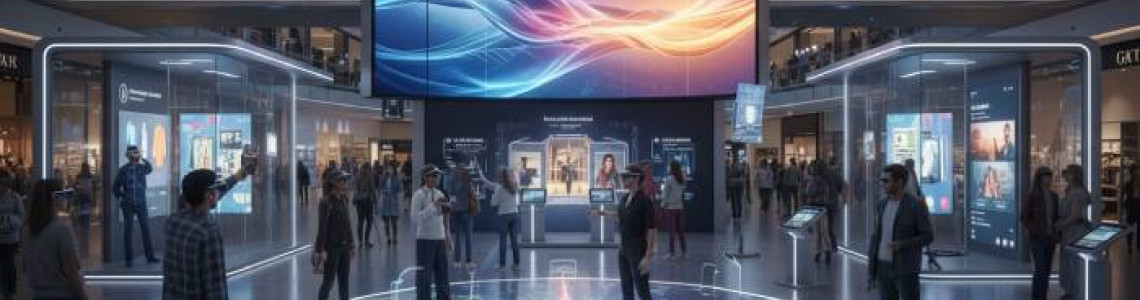
The retail landscape is rapidly evolving, and malls are no longer just spaces for shopping—they are dynamic arenas for brand storytelling and consumer engagement. As brands seek more innovative ways to connect with shoppers, mall media is undergoing a transformation. From digital screens to immersive experiential zones, the future of mall advertising is interactive, personalized, and technology-driven. Here’s a deep dive into the trends shaping mall media in 2026.
1. Rise of Digital Screens and Smart Signage
Digital screens have become the backbone of modern mall media. Gone are the days of static posters; today’s screens are high-definition, strategically placed, and often equipped with AI-powered analytics. These displays allow brands to deliver dynamic content based on time, audience demographics, and shopper behavior.
-
Personalized Messaging: Some malls now use facial recognition or smartphone-based data to tailor ads for specific audiences.
-
Interactive Screens: Touch-enabled or motion-sensitive displays invite shoppers to engage with promotions, games, or product catalogs.
-
Real-Time Updates: Brands can instantly update offers, ensuring campaigns are always relevant and timely.
Digital screens are no longer just advertising tools—they are immersive engagement platforms that capture attention in high-traffic areas.
2. Experiential Zones: Turning Shopping Into an Experience
Consumers today crave experiences, not just products. Experiential marketing zones in malls allow brands to create memorable, hands-on interactions. These zones are designed to engage multiple senses and foster brand loyalty.
-
Product Sampling & Demonstrations: Brands set up mini-studios or interactive corners where shoppers can try products before buying.
-
Gamification & Challenges: Incorporating games or contests keeps visitors engaged while subtly promoting brand messaging.
-
Photo & Social Media Spots: Branded installations encourage visitors to share experiences online, boosting organic reach.
Experiential zones turn ordinary shopping trips into shareable moments, bridging the gap between digital and physical retail.
3. Integration of AR and VR Technologies
Augmented Reality (AR) and Virtual Reality (VR) are redefining in-mall engagement. Brands now use these technologies to offer immersive experiences that captivate shoppers.
-
AR Product Visualization: Shoppers can see how furniture fits in their homes or how accessories complement their outfits using AR displays.
-
VR Storytelling Experiences: Some brands offer mini virtual journeys, such as virtual tours of factories or fashion shows, to make campaigns more memorable.
-
Interactive Brand Engagement: AR-enabled games or QR codes on displays add an interactive layer, increasing dwell time in mall zones.
By integrating AR and VR, malls are transforming from shopping destinations into experiential hubs, where technology meets creativity.
4. Data-Driven Mall Media
Modern mall media is becoming increasingly analytics-driven. By capturing data on foot traffic, dwell times, and engagement levels, malls and brands can optimize their campaigns for maximum ROI.
-
Audience Segmentation: Tailoring ads to specific age groups, genders, or interests improves engagement.
-
Performance Tracking: Real-time metrics allow brands to adjust campaigns instantly, ensuring messaging stays relevant.
-
Programmatic Displays: AI-driven content scheduling ensures ads reach the right audience at the right time.
Data-driven strategies make mall media more efficient, measurable, and impactful than ever before.
5. Sustainability and Eco-Friendly Advertising
Sustainability is no longer optional. Shoppers are increasingly drawn to malls and brands that prioritize eco-friendly initiatives.
-
Digital Over Print: Moving from static posters to digital displays reduces paper waste.
-
Green Installations: Experiential zones using recycled materials appeal to environmentally conscious consumers.
-
Energy-Efficient Tech: LEDs, solar-powered screens, and smart lighting reduce the carbon footprint of mall media campaigns.
Sustainable mall media not only strengthens a brand’s image but also resonates with the growing eco-conscious consumer base.
Conclusion
The future of mall media is immersive, interactive, and data-driven. From digital screens and experiential zones to AR/VR integrations and eco-friendly innovations, brands have unprecedented opportunities to connect with shoppers in meaningful ways. As malls evolve into dynamic retail and engagement hubs, staying ahead of these trends is essential for marketers aiming to capture attention, drive engagement, and build lasting brand loyalty.
Elyts Advertising and Branding Solutions | www.elyts.in (India) | www.elyts.agency (UAE)
Related Products





Leave a Comment