















Role of Mall Media in Omnichannel Marketing Strategies | Elyts
In an era where consumers interact with brands across multiple touchpoints, omnichannel marketing has become essential for creating consistent and memorable brand experiences. While digital platforms dominate most conversations, mall media has emerged as a powerful offline channel that seamlessly integrates with online strategies. Positioned at the intersection of physical presence and digital influence, mall media plays a crucial role in strengthening omnichannel marketing efforts.
Understanding Mall Media in Modern Marketing
Mall media refers to advertising and brand communication within shopping malls, including digital screens, kiosks, escalator branding, food court displays, experiential zones, pop-ups, and interactive installations. Unlike traditional out-of-home advertising, mall media targets consumers when they are already in a high-intent, purchase-ready mindset.
With malls evolving into lifestyle and entertainment destinations, mall media offers brands a captive audience with longer dwell times and higher engagement levels.
Why Mall Media Fits Perfectly into Omnichannel Strategies
Omnichannel marketing focuses on delivering a unified brand message across physical and digital channels. Mall media complements this approach in several impactful ways:
1. Bridging Online and Offline Experiences
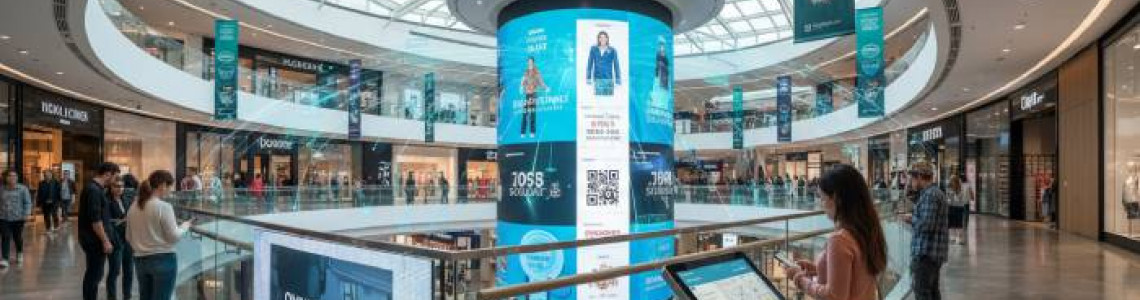
Mall media acts as a physical extension of digital campaigns. QR codes, NFC tags, app downloads, and social media integrations allow consumers to transition smoothly from a mall screen to a mobile device. This creates a connected journey rather than isolated touchpoints.
2. Enhancing Brand Recall at the Point of Purchase
Unlike digital ads that compete for attention, mall media reaches consumers closer to buying decisions. Strategic placements near brand stores or category zones reinforce recall and influence last-minute choices, making it a valuable part of conversion-focused omnichannel planning.
3. Enabling Hyper-Targeted Messaging
Modern mall media networks use data-driven insights such as footfall patterns, time-of-day analytics, and audience demographics. Brands can tailor creatives based on location, season, or shopper behavior—mirroring the personalization typically seen in digital marketing.
Integrating Mall Media with Digital Channels
A successful omnichannel strategy does not treat mall media as a standalone platform. Instead, it integrates it with digital touchpoints to amplify impact:
-
Social Media Amplification: Mall installations designed for Instagram and short-form video encourage user-generated content and organic reach.
-
Mobile Retargeting: Consumers exposed to mall ads can later be retargeted through mobile ads using geo-fencing and location-based data.
-
E-commerce Support: Mall media can promote exclusive online offers, app-only discounts, or click-and-collect services.
-
CRM and Loyalty Integration: Brands can capture leads in malls and nurture them through email, SMS, or app notifications post-visit.
Mall Media as an Experiential Marketing Tool
Experiences are central to omnichannel success, and malls provide the perfect environment for immersive brand storytelling. Interactive screens, AR experiences, live demos, and pop-up activations allow consumers to engage emotionally with brands. These experiences often translate into higher digital engagement and stronger brand advocacy.
Measuring the Impact of Mall Media in Omnichannel Campaigns
One of the biggest advantages of modern mall media is measurability. Brands can track performance using:
-
Footfall uplift near stores
-
QR code and app engagement
-
Social media mentions and shares
-
Sales attribution during campaign periods
-
Cross-channel conversion rates
When aligned with digital analytics, mall media becomes a measurable and accountable component of omnichannel ROI.
The Future of Mall Media in Omnichannel Marketing
As malls adopt smarter technologies like AI-driven screens, programmatic DOOH, and real-time content optimization, mall media will become even more integrated with omnichannel ecosystems. Brands that embrace mall media early will gain a competitive advantage by connecting physical presence with digital intelligence.
Conclusion
Mall media is no longer just an offline advertising channel—it is a strategic omnichannel asset. By connecting physical environments with digital platforms, mall media enhances brand visibility, drives engagement, and influences purchase decisions at critical moments. For brands aiming to deliver seamless customer journeys, mall media is an indispensable part of a successful omnichannel marketing strategy.
Elyts Advertising and Branding Solutions | www.elyts.in (India) | www.elyts.agency (UAE)
Related Products





Leave a Comment