















How Mall Media Drives Footfall | In Store Conversions | Retailers
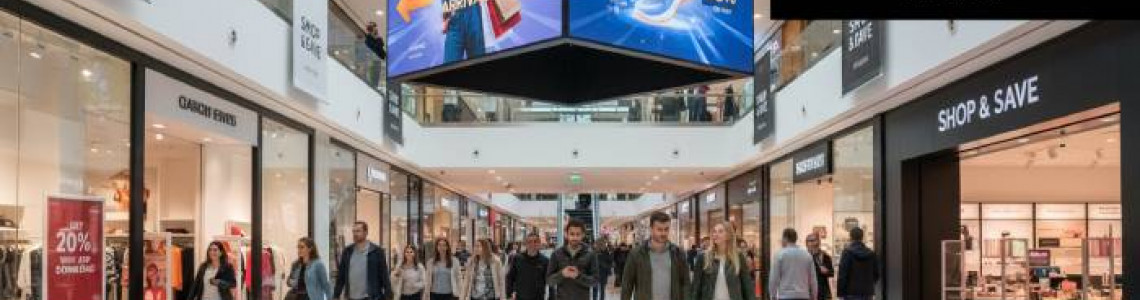
In today’s competitive retail landscape, brands are constantly searching for high-impact advertising channels that directly influence buying decisions. While digital marketing dominates online conversations, Mall Media has emerged as one of the most powerful Out-of-Home (OOH) advertising formats for driving footfall and boosting in-store conversions.
With malls serving as lifestyle destinations rather than just shopping centers, mall advertising places brands at the heart of consumer action—right when purchase intent is at its peak.
What Is Mall Media Advertising?
Mall Media refers to advertising placements within shopping malls, including:
-
Digital screens and LED video walls
-
Escalator and elevator branding
-
Food court table-top ads
-
Atrium activations and kiosks
-
Standee displays and pillar wraps
-
Parking lot branding
-
Interactive experiential zones
Unlike traditional outdoor billboards, mall advertising engages consumers in a controlled, premium environment where shoppers are already in buying mode.
Why Mall Media Is Powerful for Retailers
1. High Purchase Intent Audience
Mall visitors are not passive viewers — they are active shoppers. Whether they are browsing, comparing products, or planning purchases, their intent to spend is significantly higher compared to roadside audiences.
Advertising in malls ensures your brand message reaches consumers when they are most likely to convert.
2. Proximity to Point of Sale
One of the biggest advantages of mall media is proximity. When shoppers see an ad and the store is just a few steps away, the transition from awareness to purchase becomes seamless.
For example:
-
A fashion brand promoting a seasonal discount inside the mall can instantly drive walk-ins.
-
A beauty brand advertising a limited-time offer can increase trial rates within hours.
This immediate access shortens the customer decision journey.
3. Enhanced Brand Recall in a Premium Environment
Malls provide a clean, controlled, and distraction-limited setting compared to busy highways. Digital screens, interactive displays, and premium branding formats create high-impact visibility.
When combined with strong visuals and compelling messaging, mall advertising significantly improves:
-
Brand recall
-
Message retention
-
Purchase consideration
4. Targeted Audience Segmentation
Different malls attract different demographics:
-
Luxury malls attract high-net-worth individuals
-
Family malls attract parents and children
-
Youth-focused malls attract Gen Z and millennials
Retailers can strategically choose mall locations based on their target audience, making campaigns highly targeted and cost-effective.
5. Experiential Marketing Opportunities
Mall Media isn’t just about static ads—it enables immersive brand experiences.
Retailers can conduct:
-
Product sampling
-
Live demonstrations
-
Interactive installations
-
AR/VR experiences
-
Influencer meet-ups
These experiences create emotional connections, which directly increase in-store visits and conversions.
How Mall Media Drives Footfall
1. Strategic Placement at High-Traffic Zones
Ads placed near:
-
Entry gates
-
Escalators
-
Elevators
-
Food courts
-
Cinema halls
capture maximum attention. Repeated exposure throughout the shopper’s journey reinforces brand awareness.
2. Time-Sensitive Promotions
Digital mall screens allow retailers to promote:
-
Flash sales
-
Weekend offers
-
Festive discounts
-
Limited-time deals
Urgency messaging motivates shoppers to visit the store immediately.
3. Cross-Promotion with Events and Festivals
Malls frequently host:
-
Festive celebrations
-
Product launches
-
Seasonal events
Retailers can align their campaigns with these events to leverage increased footfall and higher engagement.
How Mall Media Boosts In-Store Conversions
1. Reinforced Brand Messaging
Repeated exposure across multiple touchpoints inside the mall strengthens credibility and brand trust, making consumers more confident in making a purchase decision.
2. Influencing Impulse Buying
Mall environments naturally encourage impulse shopping. A well-designed ad with:
-
Clear Call-to-Action (CTA)
-
Visible store location
-
Attractive offer
can convert browsing shoppers into buyers within minutes.
3. Data-Driven Digital Screens
Modern mall media uses smart digital displays that:
-
Rotate creatives based on time
-
Target specific audience clusters
-
Integrate QR codes for instant offers
Retailers can track scans, redemptions, and engagement metrics, helping measure ROI effectively.
4. Omnichannel Integration
Mall Media works best when integrated with:
-
Social media campaigns
-
Influencer promotions
-
SMS and push notifications
-
Geo-targeted mobile ads
For example, shoppers who enter the mall can receive mobile notifications aligned with the ad they just saw, increasing conversion probability.
Best Practices for Retailers Using Mall Media
To maximize results, retailers should:
✔ Use bold visuals and minimal text
✔ Highlight clear offers or benefits
✔ Include store location details
✔ Add QR codes or digital engagement tools
✔ Align campaigns with peak shopping hours
✔ Track footfall uplift during campaign periods
Why Mall Media Delivers Strong ROI
Mall advertising combines:
-
High dwell time
-
Premium audience
-
Purchase intent
-
Immediate accessibility
This makes it one of the most conversion-friendly OOH formats available today. Unlike highway billboards that focus mainly on awareness, mall media directly impacts store visits and revenue.
Final Thoughts
As retail competition intensifies, brands need advertising strategies that not only create awareness but also drive measurable sales. Mall Media stands out as a powerful bridge between visibility and conversion.
By placing brand messaging inside a high-intent shopping environment, retailers can significantly increase footfall, encourage impulse purchases, and boost in-store sales.
Elyts Advertising and Branding Solutions | www.elyts.in (India) | www.elyts.agency (UAE)
Related Products



Leave a Comment