















Mall Media | Consumer Behavior | How Shoppers Engage | Indoor Ads
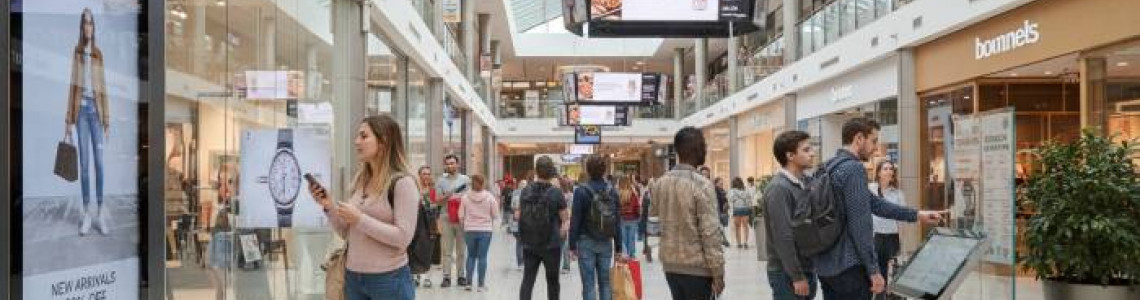
In today’s competitive retail environment, understanding how consumers interact with advertising is more critical than ever. While digital marketing dominates online spaces, mall media—advertising within shopping centers—has emerged as a powerful tool for influencing shopper behavior. By strategically placing ads where consumers spend time, brands can engage their target audience in meaningful ways, enhancing both brand recall and purchase intent.
What Is Mall Media?
Mall media refers to any form of advertising displayed inside shopping malls. This includes digital screens, interactive kiosks, LED displays, floor graphics, escalator banners, and experiential zones. Unlike traditional outdoor advertising, mall media targets consumers in an environment where they are already in a shopping mindset. This unique context allows brands to influence purchasing decisions at the point of consideration.
The Connection Between Mall Media and Consumer Behavior
1. Capturing Attention in a Distraction-Rich Environment
Shoppers in malls are often navigating multiple stores, looking for deals, or enjoying entertainment. Mall media provides visually engaging content that stands out amid this environment. Studies have shown that bright, digital displays and interactive ads significantly increase dwell time, encouraging shoppers to pause and engage with the brand message.
2. Enhancing Impulse Purchases
One of the key advantages of mall media is its ability to drive impulse buying. Ads placed near high-traffic areas, like food courts or entrances, can trigger spontaneous purchases. For example, a digital display showcasing the latest gadget or fashion item can prompt immediate interest and lead consumers directly to the store.
3. Interactive Experiences Improve Engagement
Interactive mall media—such as touchscreens, AR experiences, or QR code activations—encourages shoppers to engage actively rather than passively viewing the ad. Interactive ads not only increase attention but also improve memory retention, making consumers more likely to recall the brand and return for future purchases.
4. Personalization Increases Relevance
With data-driven technologies, malls can deliver personalized ads based on shopper demographics, location, or previous interactions. Personalized content resonates more with consumers, creating a sense of connection and relevance that drives both engagement and loyalty.
5. Strengthening Brand Recall
Mall media can reinforce brand presence by repeatedly exposing shoppers to key messages during their visit. Unlike fleeting social media ads, indoor advertising in malls has the advantage of repeated visibility, which strengthens brand recognition and recall.
Measuring the Impact of Mall Media
Retailers and brands increasingly use analytics and tracking tools to measure mall media effectiveness. Footfall counters, dwell-time analytics, and QR code scans provide insight into how consumers interact with ads. This data allows marketers to refine campaigns for higher engagement and ROI.
Future Trends in Mall Media
As technology evolves, mall media is becoming more immersive and interactive:
-
Augmented Reality (AR) and Virtual Reality (VR) to create experiential brand zones.
-
Programmatic indoor advertising for dynamic, real-time targeting.
-
Integration with mobile apps to offer seamless shopping experiences.
-
Sustainability-focused advertising, such as energy-efficient digital screens, aligns with growing consumer consciousness.
Conclusion
Mall media has proven to be a high-impact channel for influencing consumer behavior. By combining strategic placement, interactivity, and personalization, brands can capture attention, drive engagement, and ultimately boost sales. As technology continues to reshape the retail landscape, mall media offers a unique opportunity to engage shoppers in ways that online advertising alone cannot replicate.
Elyts Advertising and Branding Solutions | www.elyts.in (India) | www.elyts.agency (UAE)
Related Products





Leave a Comment