















Mall Media Is a High Impact Advertising Channel | Urban Consumers
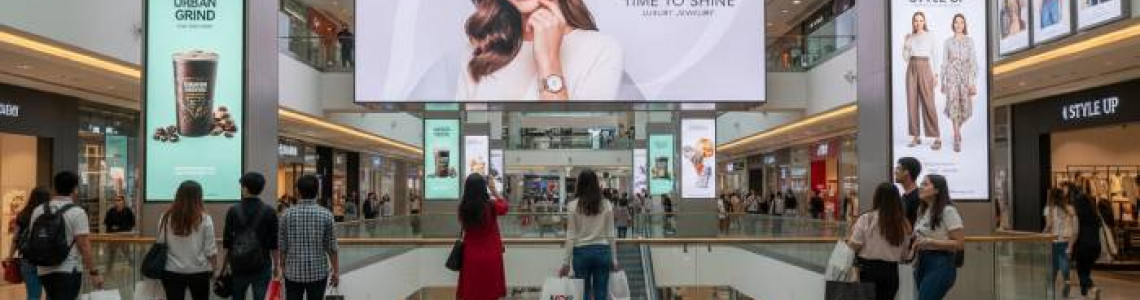
In today’s cluttered advertising landscape, brands are constantly searching for channels that deliver attention, engagement, and measurable impact. Mall media has emerged as one of the most powerful advertising platforms for reaching urban consumers. With high footfall, premium audiences, and immersive environments, shopping malls offer advertisers a unique opportunity to influence purchase decisions at the point of consideration.
This article explores why mall media continues to be a high-impact advertising channel for urban consumers and how brands can leverage it effectively.
1. Access to High-Value Urban Audiences
Shopping malls primarily attract urban, affluent, and aspirational consumers. These visitors typically include working professionals, families, students, and lifestyle-focused shoppers with strong purchasing power. Unlike many digital channels where audience intent can be uncertain, mall visitors are already in a buying mindset.
Mall media allows brands to:
Reach consumers with higher disposable incomes
Target lifestyle-driven and brand-conscious audiences
Engage shoppers who are actively exploring products and experiences
This makes mall advertising especially effective for retail, FMCG, electronics, fashion, real estate, entertainment, and luxury brands.
2. High Dwell Time Equals Higher Engagement
One of the biggest advantages of mall media is extended dwell time. Urban consumers often spend several hours in malls shopping, dining, watching movies, or socializing. This prolonged exposure significantly increases ad recall and message retention.
Mall media formats such as:
Digital screens
Escalator branding
Atrium displays
Food court screens
ensure repeated brand exposure throughout the consumer journey, reinforcing messaging without feeling intrusive.
3. Strategic Placement at Decision-Making Moments
Mall advertising reaches consumers at critical decision points. Whether it’s outside anchor stores, near food courts, cinema lobbies, or retail corridors, ads are placed where shoppers are most receptive.
This proximity to retail outlets helps brands:
Influence last-mile purchase decisions
Drive walk-ins and impulse buys
Promote offers, launches, and seasonal campaigns effectively
Mall media bridges the gap between brand awareness and immediate action.
4. Premium and Brand-Safe Environment
Urban consumers associate malls with comfort, quality, and premium experiences. Advertising within this environment enhances brand perception and credibility. Unlike some digital platforms that face concerns around ad fraud or unsafe content, mall media offers a controlled, brand-safe setting.
A well-designed mall campaign can:
Elevate brand image
Build trust and authenticity
Create a premium brand association
This is especially valuable for brands positioning themselves as aspirational or lifestyle-oriented.
5. Impactful Visual and Experiential Formats
Mall media goes beyond static advertising. With large-format digital screens, LED walls, interactive kiosks, and experiential zones, brands can create visually striking campaigns that capture attention instantly.
Experiential mall activations such as:
Product demos
Sampling booths
AR/VR experiences
Pop-up stores
allow consumers to interact directly with the brand, leading to deeper engagement and stronger recall.
6. Strong Synergy with Omnichannel Campaigns
Mall media works exceptionally well as part of an omnichannel marketing strategy. Brands can integrate mall advertising with digital, social media, influencer campaigns, and mobile retargeting to amplify impact.
For example:
QR codes on mall screens driving users to online offers
Social media hashtags promoted through mall creatives
Location-based mobile ads triggered during mall visits
This seamless online-to-offline integration enhances campaign effectiveness and measurability.
7. Measurable Outcomes and Footfall Attribution
Modern mall media is increasingly data-driven. With technologies like footfall tracking, audience analytics, and sales lift studies, brands can now measure the real impact of their campaigns.
Key metrics include:
Increased store walk-ins
Dwell time uplift
Sales conversions during campaign periods
Brand recall and awareness studies
This accountability makes mall media a smart investment for performance-focused advertisers.
Conclusion
Mall media stands out as a high-impact advertising channel for urban consumers because it combines premium audiences, high engagement, strategic placement, and immersive brand experiences. In an era where consumer attention is fragmented, malls offer a rare opportunity to connect with shoppers in a focused, purchase-ready environment.
For brands looking to drive visibility, influence buying decisions, and build lasting impressions among urban audiences, mall media is not just relevant—it is essential.
Elyts Advertising and Branding Solutions | www.elyts.in (India) | www.elyts.agency (UAE)
Related Products





Leave a Comment