















Mall Media | Why Shopping Centers Premium Brand Touchpoints
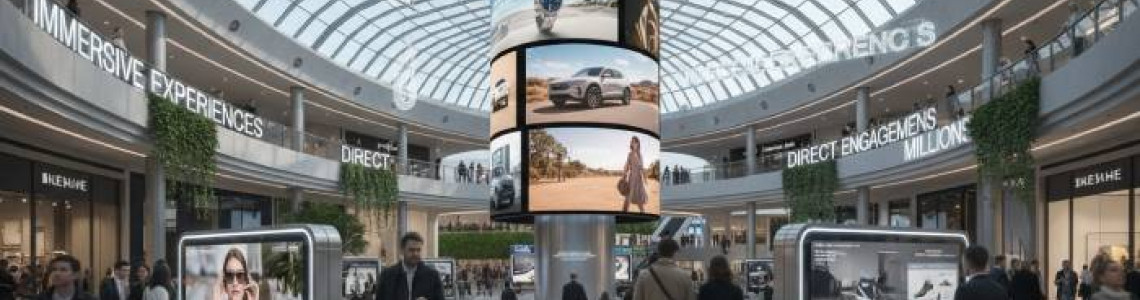
In 2026, mall media advertising has evolved into one of the most powerful and premium Out-of-Home (OOH) marketing channels. With shopping centers transforming into lifestyle, entertainment, and experiential hubs, brands now view malls as high-impact environments that deliver measurable engagement and strong ROI.
As consumer behavior continues shifting toward hybrid shopping experiences—blending physical retail with digital interaction—mall media has emerged as a strategic platform for brand visibility, influence, and conversion.
The Evolution of Mall Media in 2026
Shopping malls are no longer just retail spaces. They are curated ecosystems that combine:
-
Retail stores
-
Fine dining and cafes
-
Cinemas and entertainment zones
-
Co-working spaces
-
Family recreation centers
-
Experiential pop-ups
Modern malls attract high-intent consumers who are ready to browse, spend, and engage. This makes mall media advertising significantly more effective than traditional outdoor placements in many scenarios.
With the rise of Digital Out-of-Home (DOOH) screens, interactive kiosks, augmented reality installations, and smart data tracking, mall advertising in 2026 delivers both visibility and measurable impact.
Why Shopping Centers Are Premium Brand Touchpoints
1. High Purchase Intent Audience
Unlike highway billboards or transit media, mall audiences are already in shopping mode. Consumers entering malls are primed to explore products and make purchases. Advertising in this environment directly influences buying decisions at the point of action.
This makes mall media especially powerful for:
-
Luxury brands
-
Fashion and apparel
-
Beauty and skincare
-
Electronics
-
FMCG launches
-
Lifestyle products
2. Extended Dwell Time
Malls offer significantly longer dwell times compared to other OOH environments. Visitors often spend 1–3 hours browsing, dining, or socializing.
Longer dwell time means:
-
Higher ad recall
-
Multiple exposure opportunities
-
Stronger brand association
-
Greater storytelling potential through digital screens
Digital mall screens allow brands to rotate creatives, showcase product videos, and run time-based messaging for different audience segments.
3. Premium Audience Demographics
In 2026, malls attract affluent urban consumers, families, Gen Z shoppers, and aspirational middle-class buyers. For brands targeting premium demographics, mall media offers a curated audience environment.
Luxury brands especially benefit from premium mall placements near:
-
Escalators
-
Atriums
-
Anchor stores
-
Food courts
-
Cinema entrances
The controlled indoor environment enhances brand perception and maintains high visual quality.
4. Integration with Digital & Social Campaigns
Mall media has become fully integrated with digital marketing strategies. Brands now combine:
-
QR codes for instant engagement
-
NFC-enabled touchpoints
-
Social media hashtag campaigns
-
Live user-generated content displays
-
Location-based push notifications
This omnichannel approach transforms mall advertising from passive exposure into active interaction.
For example, a shopper scanning a QR code from a mall screen can immediately access an exclusive discount, follow a brand on Instagram, or join a loyalty program.
5. Data-Driven Targeting & Measurement
In 2026, mall media leverages:
-
Footfall analytics
-
Heat mapping
-
AI-based audience measurement
-
Demographic estimation tools
-
Conversion tracking
Brands can now measure:
-
Estimated impressions
-
Engagement rate
-
Store visit uplift
-
Sales correlation
This level of accountability makes mall advertising more attractive for performance-focused marketers.
6. Experiential & Immersive Brand Activations
Shopping centers provide space for experiential marketing—something traditional OOH formats cannot offer.
Popular mall media formats in 2026 include:
-
Interactive LED floors and walls
-
3D anamorphic displays
-
AR-powered mirrors
-
Brand pop-up booths
-
Sampling kiosks
-
Gamified installations
These experiences create shareable moments, driving both footfall and organic social reach.
Mall Media vs Traditional OOH
| Factor | Mall Media | Traditional OOH |
|---|---|---|
| Audience Intent | High purchase intent | Broad awareness |
| Dwell Time | Long | Short |
| Environment | Controlled, premium | Outdoor, variable |
| Targeting | Precise | Location-based only |
| Measurability | Advanced analytics | Limited metrics |
While traditional OOH remains powerful for mass awareness, mall media in 2026 excels at influencing purchase decisions and driving conversions.
Industries Benefiting Most from Mall Media in 2026
-
Luxury & Premium Retail
-
Beauty & Cosmetics
-
Electronics & Gadgets
-
Fashion & Accessories
-
Quick-Service Restaurants
-
Fintech & Payment Apps
-
Entertainment & OTT Platforms
Shopping malls offer a perfect blend of awareness, engagement, and conversion within a single environment.
The Future of Mall Media Advertising
Looking ahead, mall advertising will continue evolving with:
-
AI-personalized ad displays
-
Programmatic DOOH buying
-
Smart audience segmentation
-
Interactive holographic displays
-
Sustainability-focused LED solutions
As malls become “smart lifestyle destinations,” brands that invest in mall media will gain premium positioning and stronger customer connections.
Conclusion
Mall media advertising in 2026 stands as a premium brand touchpoint because it combines high-intent audiences, extended dwell time, digital innovation, and measurable results.
Shopping centers are no longer just retail hubs—they are experiential ecosystems where brand discovery, engagement, and purchase happen seamlessly.
Elyts Advertising and Branding Solutions | www.elyts.in (India) | www.elyts.agency (UAE)
Related Products



Leave a Comment