













Mainline Media | Digital Media | Large Scale Brands | Elyts
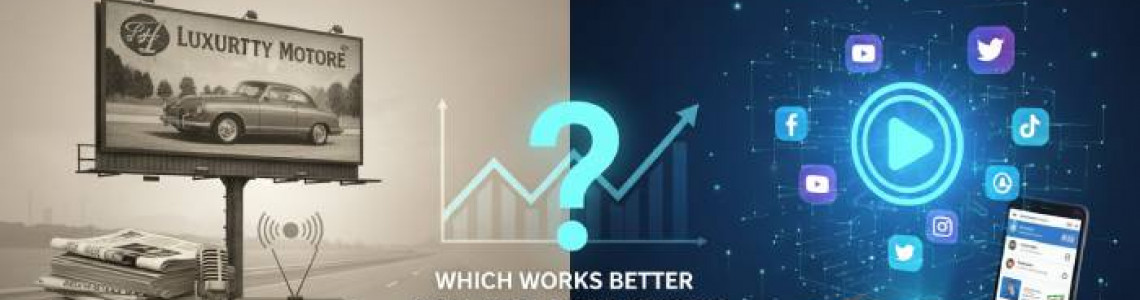
In today’s complex advertising ecosystem, large-scale brands face a critical decision when allocating their marketing budgets: Mainline Media or Digital Media? Both channels offer distinct advantages, but their effectiveness depends on campaign objectives, audience scale, brand maturity, and long-term goals. Understanding how these two media types differ and complement each other is essential for building impactful brand strategies.
This article explores the strengths, limitations, and ideal use cases of Mainline Media vs Digital Media, helping large-scale brands determine what works best for sustained growth and market dominance.
Understanding Mainline Media
Mainline Media refers to traditional mass media channels such as television, print newspapers, magazines, radio, and cinema advertising. These platforms have long been the backbone of brand-building for large corporations.
Key Strengths of Mainline Media
Mass Reach at Scale: Television and print can reach millions simultaneously, making them ideal for national and regional campaigns.
High Brand Credibility: Consumers often perceive mainline media as more trustworthy and authoritative.
Strong Brand Recall: High-impact visuals, sound, and storytelling drive long-term memory retention.
Market Penetration: Effective for reaching audiences across demographics, including non-digital users.
Limitations of Mainline Media
High entry and production costs
Limited real-time performance tracking
Lower flexibility for rapid campaign changes
Understanding Digital Media
Digital Media includes online advertising channels such as social media platforms, search engines, websites, OTT platforms, mobile apps, and programmatic advertising networks.
Key Strengths of Digital Media
Precision Targeting: Brands can target audiences based on demographics, interests, behavior, and location.
Measurable ROI: Real-time analytics allow performance tracking, optimization, and attribution.
Cost Efficiency: Flexible budgets make digital accessible and scalable.
Interactive Engagement: Enables two-way communication through likes, comments, shares, and clicks.
Limitations of Digital Media
Ad fatigue and banner blindness
Brand safety and fraud concerns
Limited emotional impact compared to large-format storytelling
Mainline Media vs Digital Media: A Strategic Comparison
1. Brand Awareness and Trust
For large-scale brands aiming to build mass awareness and credibility, mainline media remains unmatched. Television commercials and print ads convey authority and stability, especially in competitive markets.
Digital media, while effective for visibility, often works better as a reinforcement rather than a primary trust-builder for legacy brands.
Winner: Mainline Media
2. Audience Targeting and Personalization
Digital media excels in reaching niche segments with personalized messaging. Large brands launching new products or targeting specific consumer groups benefit from digital’s advanced targeting capabilities.
Mainline media, by contrast, offers broad exposure but limited personalization.
Winner: Digital Media
3. Cost and Budget Flexibility
Digital platforms allow brands to start small, test creatives, and scale based on performance. Mainline media requires significant upfront investment, making it less flexible.
However, large-scale brands with substantial budgets can leverage mainline media for dominant market presence.
Winner: Digital Media (for flexibility)
4. Speed and Optimization
Digital campaigns can be launched, paused, or optimized instantly based on data insights. Mainline media campaigns require longer planning cycles and offer limited mid-campaign adjustments.
Winner: Digital Media
5. Long-Term Brand Equity
Mainline media contributes significantly to long-term brand equity, emotional storytelling, and cultural relevance. Iconic TV commercials and print campaigns often define brand legacy.
Digital media is more performance-driven and short-term focused, though it supports sustained engagement.
Winner: Mainline Media
Which Works Better for Large-Scale Brands?
The real answer is not either-or, but how well they are integrated.
Mainline Media works best for:
National brand launches
Building trust and credibility
Reaching mass audiences
Strengthening brand legacy
Digital Media works best for:
Performance marketing
Audience segmentation
Retargeting and conversions
Real-time engagement and optimization
Large-scale brands achieve the highest impact when they adopt a hybrid media strategy, using mainline media for reach and authority, while digital media drives engagement, interaction, and measurable results.
The Power of an Integrated Media Approach
Successful brands today blend both channels seamlessly:
TV or print ads create awareness
Digital campaigns amplify reach and engagement
Social media sustains conversations
Performance ads convert interest into action
This omnichannel approach ensures consistency, visibility, and effectiveness across the consumer journey.
Final Thoughts
For large-scale brands, Mainline Media and Digital Media are not competitors but collaborators. Mainline media builds the foundation of trust and scale, while digital media enhances precision, interaction, and accountability.
Brands that strategically balance both will not only dominate market share but also build enduring relationships with consumers in an increasingly connected world.
If you’re planning your next big campaign, the smartest move is not choosing one over the other, but leveraging the strengths of both to create a powerful, unified brand presence.
Elyts Advertising and Branding Solutions | www.elyts.in (India) | www.elyts.agency (UAE)
Related Products
Leave a Comment