













Mainline Media Strategy | FMCG Brands Reaching Millions at Scale
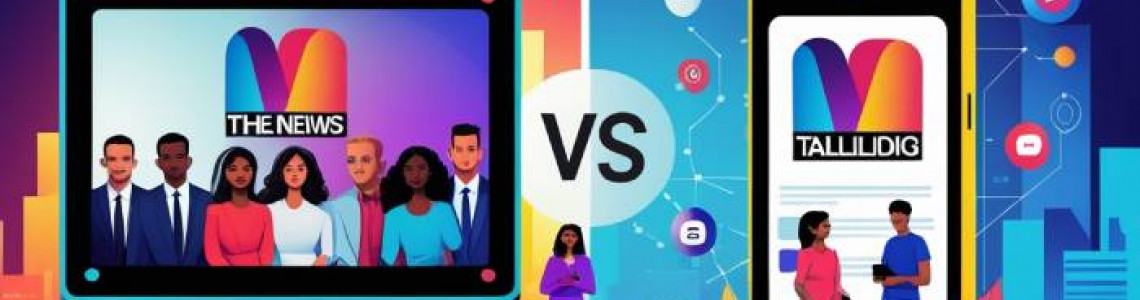
In today’s fast-paced consumer goods market, FMCG brands are constantly seeking ways to engage a massive audience efficiently. While digital media offers precise targeting, mainline media—including television, radio, and print—remains a cornerstone for reaching millions at scale. A well-executed mainline media strategy ensures brand visibility, recall, and trust across diverse consumer segments.
Why FMCG Brands Still Invest in Mainline Media
FMCG brands operate in highly competitive markets where frequency and visibility directly impact purchase decisions. Mainline media offers several advantages:
-
Mass Reach: Television, radio, and print reach millions of households, providing unmatched exposure.
-
Brand Recall: High-frequency campaigns across these channels reinforce brand identity and ensure top-of-mind awareness.
-
Credibility: Established media channels lend credibility, enhancing consumer trust in the brand.
-
Cross-Demographic Coverage: Mainline media spans multiple age groups, regions, and income segments—critical for FMCG products.
Key Components of a Successful Mainline Media Strategy
To maximize impact, FMCG brands focus on strategic planning across the three mainline media channels:
1. Television Advertising
TV continues to dominate as a medium for large-scale brand campaigns. FMCG brands leverage prime-time slots, regional channels, and thematic shows to target mass audiences. Short, memorable ads with strong storytelling work best for creating emotional connections with viewers.
2. Radio Campaigns
Radio remains cost-effective and highly engaging, especially in urban and semi-urban areas. Brands use radio spots during peak commute hours or popular programs to reinforce messages repeatedly, helping improve brand recall.
3. Print Media
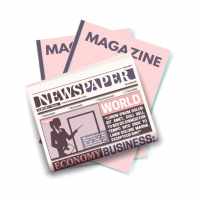
Print, including newspapers and magazines, offers tangibility and credibility. FMCG brands often use print for product launches, promotions, and regional campaigns where local language communication enhances resonance.
Strategies for Optimization
Even in traditional media, optimization ensures efficiency:
-
Data-Driven Planning: Use media research and consumer insights to choose channels with the highest reach for your target demographic.
-
Integrated Messaging: Align mainline media campaigns with digital efforts to create a cohesive brand experience.
-
Frequency Management: Ensure repeated exposure to reinforce brand messaging without causing audience fatigue.
-
Regional Customization: Adapt content for regional preferences, languages, and cultural nuances to increase engagement.
Case Study Insight
Leading FMCG brands, such as those in personal care and packaged foods, invest heavily in mainline media to maintain market dominance. By combining TV, radio, and print, they achieve a multi-touchpoint presence that drives both awareness and sales.
Conclusion
While digital marketing grows in influence, mainline media remains indispensable for FMCG brands seeking to reach millions at scale. A strategic blend of television, radio, and print, backed by data-driven planning and creative messaging, ensures brands stay visible, relevant, and memorable across consumer segments. In 2025 and beyond, the most successful FMCG campaigns will integrate mainline media with digital touchpoints for maximum impact.
Elyts Advertising and Branding Solutions | www.elyts.in (India) | www.elyts.agency (UAE)
Related Products
Leave a Comment