












Mainline Media Planning Strategy | How to Allocate Budget Smartly
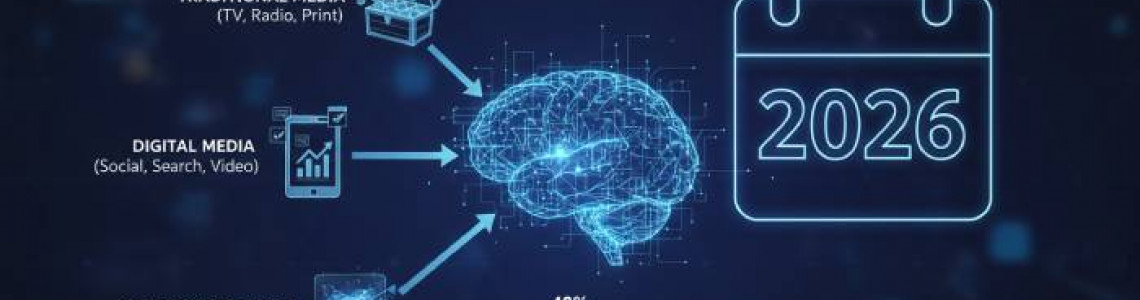
In 2026, advertising is no longer about choosing between traditional and digital channels—it’s about making smart, data-backed investments across the media ecosystem. Despite the rapid rise of digital platforms, mainline media—including television, print, radio, cinema, and outdoor advertising—continues to play a critical role in building brand trust, mass reach, and long-term equity.
A well-defined mainline media planning strategy ensures that brands maximize impact while optimizing budgets in an increasingly competitive landscape. Here’s how businesses can allocate their mainline media budgets smartly in 2026.
Understanding the Role of Mainline Media in 2026
Mainline media remains powerful because it delivers credibility, scale, and emotional connection. In a time when consumers are overwhelmed by digital ads, traditional media stands out for its authenticity and authority.
Key strengths of mainline media today include:
-
High visibility and mass reach
-
Strong brand recall and trust
-
Ideal support for nationwide or regional campaigns
-
Proven effectiveness for long-term brand building
Rather than replacing digital, mainline media now works as a strategic backbone for integrated marketing campaigns.
Define Clear Campaign Objectives First
Before allocating budgets, brands must clearly define their objectives. Different goals demand different media investments.
Common objectives include:
-
Brand awareness: Television, outdoor, and cinema
-
Regional penetration: Print, radio, and local outdoor
-
Product launches: TV combined with outdoor and print
-
Trust-building: Print and television
Clarity in goals helps avoid budget wastage and ensures every rupee contributes to measurable outcomes.
Adopt a Data-Driven Budget Allocation Approach
In 2026, data analytics plays a major role in mainline media planning. Brands now rely on:
-
Audience measurement tools
-
Reach and frequency analysis
-
Historical performance data
-
Market and category insights
Using data enables advertisers to allocate budgets to channels that deliver the highest ROI, rather than relying on assumptions or legacy planning models.
Balance Reach and Frequency Strategically
One of the biggest mistakes in media planning is over-investing in reach without enough frequency—or vice versa.
Smart budget allocation ensures:
-
Adequate reach to attract new audiences
-
Optimal frequency to reinforce messaging
-
Reduced media fatigue
Television and outdoor often drive reach, while radio and print help maintain frequency at a lower cost.
Allocate Budgets Across Media Channels Wisely
A diversified media mix is essential for impact and efficiency. A typical 2026 mainline media budget allocation may look like:
-
Television: Core medium for mass awareness and emotional storytelling
-
Outdoor (OOH): High-frequency visibility in urban and transit zones
-
Print: Credibility-driven messaging and regional targeting
-
Radio: Cost-effective frequency and hyperlocal reach
-
Cinema: High-attention environment for premium audiences
The exact split should vary based on industry, geography, and campaign goals.
Integrate Mainline Media with Digital Campaigns
Mainline media works best when supported by digital touchpoints. TV ads drive search behavior, print ads push website visits, and outdoor builds curiosity that converts online.
Budget planning should include:
-
QR codes and short URLs in print and outdoor
-
Hashtag and social media integration in TV and radio
-
Retargeting digital ads based on mainline exposure
This integrated approach ensures higher conversions without inflating budgets.
Focus on Regional and Hyperlocal Media
In 2026, regional markets drive significant consumption growth. Smart planners allocate a portion of the budget to:
-
Regional TV channels
-
Local newspapers
-
City-specific outdoor formats
-
Regional radio stations
This strategy delivers stronger engagement at a lower cost compared to national-only campaigns.
Optimize Budgets Through Continuous Monitoring
Media planning doesn’t end with booking. Ongoing optimization is essential to avoid underperforming spends.
Best practices include:
-
Tracking GRPs, impressions, and reach
-
Monitoring brand lift and recall studies
-
Adjusting frequency or channel mix mid-campaign
-
Reallocating budgets based on performance
Real-time insights help brands stay agile and cost-efficient.
Plan for Long-Term Brand Building
Short-term performance metrics shouldn’t overshadow long-term value. Mainline media excels at building brand memory structures, which drive sustainable growth.
Allocating a fixed percentage of the annual budget to always-on mainline media helps:
-
Maintain brand presence
-
Protect market share
-
Improve pricing power
-
Strengthen consumer trust
Final Thoughts
A successful mainline media planning strategy in 2026 is rooted in clarity, data, integration, and adaptability. Brands that allocate budgets smartly—balancing reach, frequency, and regional relevance—will continue to outperform competitors in both visibility and impact.
By combining the enduring power of mainline media with modern analytics and digital integration, advertisers can achieve stronger ROI, deeper audience connections, and long-term brand growth in an ever-evolving media landscape.
Elyts Advertising and Branding Solutions | www.elyts.in (India) | www.elyts.agency (UAE)
Related Products
Leave a Comment