














The Role of Mainline Media in Integrated Marketing Campaigns
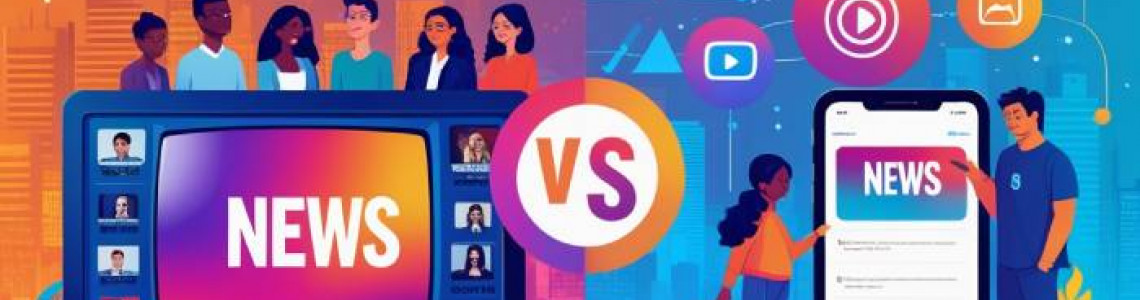
In today’s hyper-connected world, brands have access to a plethora of marketing channels, from social media and digital advertising to influencer campaigns and experiential marketing. Despite the rise of digital-first strategies, mainline media—including TV, radio, and print—continues to play a pivotal role in integrated marketing campaigns, offering unmatched reach and credibility.
1. What Is Mainline Media?
Mainline media refers to traditional advertising platforms such as:
-
Television: Reaching millions through targeted and prime-time programming.
-
Radio: Engaging commuters and niche audiences with audio messaging.
-
Print: Newspapers, magazines, and trade publications that build brand trust.
These channels remain essential for brands looking to drive mass awareness and complement their digital initiatives.
2. Enhancing Integrated Marketing Campaigns
An integrated marketing campaign leverages multiple channels to deliver a unified brand message. Here’s how mainline media contributes:
-
Mass Reach and Frequency: Mainline media provides unparalleled reach, ensuring that campaigns reach a broad demographic across regions and age groups.
-
Credibility and Trust: Traditional media is perceived as more trustworthy compared to digital-only ads, increasing brand credibility.
-
Amplifying Digital Campaigns: TV or radio campaigns can drive online engagement by directing audiences to websites, apps, or social media channels.
-
Synergy Across Channels: When paired with digital, OOH, and in-store promotions, mainline media ensures consistent messaging and reinforces brand recall.
3. Mainline Media in FMCG Marketing
FMCG brands often rely on high-frequency campaigns to remain top-of-mind. Mainline media is crucial in:
-
Launching new products with national TV spots.
-
Running seasonal or festive promotions across radio and print.
-
Supporting retailer activations and POS campaigns through brand storytelling.
4. Measuring Effectiveness
Modern integrated campaigns measure the impact of mainline media using:
-
Reach and GRPs: Quantifying audience exposure through TV and radio.
-
Brand Recall Studies: Surveys and analytics to gauge memorability.
-
Digital Attribution: Tracking how traditional campaigns influence online traffic and conversions.
5. The Future of Mainline Media
While digital channels offer precision targeting, mainline media continues to evolve:
-
Interactive TV and Radio Ads: Combining traditional reach with interactive call-to-actions.
-
Data-Driven Print Campaigns: Using analytics to target specific regions and readerships.
-
Hybrid Campaigns: Integrating mainline media with AI-driven digital campaigns for enhanced personalization.
Conclusion
Mainline media remains a cornerstone of integrated marketing campaigns, providing the scale, credibility, and reinforcement that digital channels alone cannot achieve. Brands that effectively combine traditional and digital strategies create a 360-degree marketing approach, ensuring stronger engagement, brand recall, and measurable impact across markets.
Elyts Advertising and Branding Solutions | www.elyts.in (India) | www.elyts.agency (UAE)
Related Products
Leave a Comment