













Is Mainline Media Still Relevant | Startups | D2C Brands | Elyts
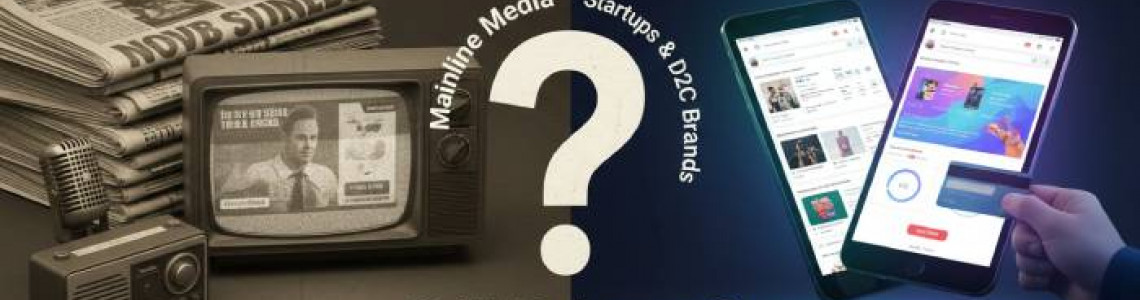
For years, startups and D2C brands have been told that digital-first marketing is the only smart way to grow. Social media ads, influencer marketing, and performance campaigns dominate boardroom discussions, while mainline media—TV, print, radio, and cinema—is often dismissed as expensive, outdated, or suitable only for big corporations.
But is that perception still accurate in 2026?
With rising digital ad costs, declining attention spans, and increasing competition online, many startups are quietly reconsidering mainline media. This article takes a reality check approach to answer one key question: Is mainline media still relevant for startups and D2C brands?
Understanding Mainline Media in Today’s Context
Mainline media includes:
-
Television advertising
-
Print media (newspapers & magazines)
-
Radio
-
Cinema advertising
While digital platforms offer precision targeting, mainline media offers something digital struggles to deliver consistently: mass credibility and emotional impact at scale.
Why Startups Traditionally Avoid Mainline Media
Startups and D2C brands have valid reasons for hesitation:
1. Perception of High Cost
Television and print are often associated with large budgets and long-term commitments.
2. Measurement Challenges
Unlike digital ads with real-time dashboards, mainline media ROI is perceived as harder to track.
3. Short-Term Growth Pressure
Startups often prioritize quick conversions over long-term brand building.
However, these assumptions no longer tell the full story.
The Reality Check: When Mainline Media Actually Makes Sense
1. Rising Digital Ad Fatigue
Consumers are increasingly ignoring:
-
Social media ads
-
Repetitive influencer content
-
Performance-driven creatives
Mainline media, especially TV and radio, still commands focused attention, particularly in regional and family settings.
2. Trust Gap Between Digital Ads and Traditional Media
Studies consistently show that TV, print, and radio are perceived as more trustworthy than digital-only ads.
For D2C brands, trust is critical—especially in categories like:
-
Personal care
-
Health & wellness
-
Food & beverages
-
Financial services
Appearing on television or in a reputed newspaper instantly boosts brand legitimacy.
3. Regional Expansion Requires Mainline Media
Digital targeting works well for niche audiences, but when a startup wants to:
-
Enter Tier 2 & Tier 3 markets
-
Build regional dominance
-
Reach non-digital-first consumers
Regional TV, FM radio, and vernacular print deliver unmatched reach and recall at optimized costs.
4. Mainline Media Costs Are More Flexible Than Ever
Contrary to popular belief:
-
Regional TV channels offer affordable packages
-
Radio advertising is cost-efficient and repetitive
-
Print inserts and regional editions are negotiable
-
Cinema advertising offers captive audiences at lower CPMs
Smart media planning allows startups to start small and scale strategically.
How Smart Startups Are Using Mainline Media Today
Successful D2C brands don’t replace digital with mainline media—they integrate both.
Proven Hybrid Strategy:
-
Use TV or radio to build awareness and trust
-
Support with digital retargeting for conversions
-
Leverage print for credibility during launches or funding announcements
-
Track brand search lift, website traffic, and direct traffic spikes
This approach maximizes ROI while strengthening brand equity.
When Mainline Media Is NOT the Right Choice
Mainline media may not be suitable if:
-
The product is still in MVP stage
-
Messaging is not clearly defined
-
Budget is extremely limited
-
There is no digital infrastructure to support post-exposure engagement
Timing and readiness matter.
Key Benefits of Mainline Media for Startups & D2C Brands
-
Builds instant credibility
-
Accelerates brand recall
-
Reaches audiences beyond digital ecosystems
-
Supports faster market entry
-
Strengthens long-term brand equity
Final Verdict: Is Mainline Media Still Relevant?
Yes—but only when used strategically.
Mainline media is no longer a luxury reserved for legacy brands. In 2026, it is a powerful growth accelerator for startups and D2C brands that:
-
Have product-market fit
-
Want to scale trust quickly
-
Are ready to think beyond clicks and conversions
Elyts Advertising and Branding Solutions | www.elyts.in (India) | www.elyts.agency (UAE)
Related Products
Leave a Comment