















The Rise of Interactive Mall Media | QR Codes | AR | Gamification
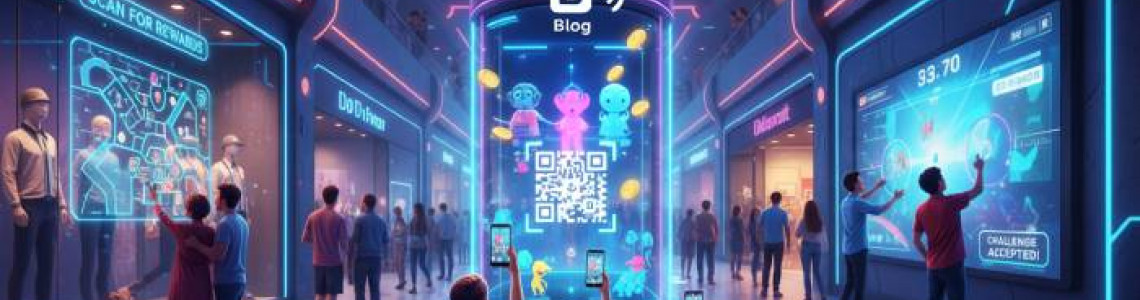
Shopping malls are no longer just places to shop—they have become immersive experience hubs. As consumer attention spans shrink and digital fatigue grows, interactive mall media is emerging as a powerful solution for brands to engage audiences in meaningful, measurable ways. Technologies like QR codes, Augmented Reality (AR), and gamification are transforming traditional mall advertising into two-way brand experiences.
In India’s rapidly evolving retail landscape, interactive mall media is redefining how brands connect with consumers at the point of purchase.
What Is Interactive Mall Media?
Interactive mall media refers to out-of-home (OOH) advertising formats within malls that encourage active consumer participation rather than passive viewing. Unlike static posters or hoardings, these formats invite shoppers to scan, play, explore, or interact—often using their smartphones.
This shift aligns perfectly with today’s mobile-first, experience-driven consumer behavior, especially among Gen Z and millennials.
Why Interactive Mall Media Is Gaining Momentum
Several factors are driving the rise of interactive advertising in malls:
-
High dwell time in malls
-
Growing smartphone and internet penetration
-
Increased demand for personalized experiences
-
Integration of offline and digital marketing
-
Measurable engagement and ROI
With malls attracting high-intent shoppers, interactive media helps brands influence decisions at the most critical moment—inside the buying environment.
QR Codes: Bridging Offline and Online Experiences
QR codes have made a strong comeback, evolving far beyond simple website links.
How Brands Use QR Codes in Malls:
-
Product demos and how-to videos
-
Instant coupons and discount vouchers
-
Store locator and navigation
-
Loyalty program sign-ups
-
App downloads and social media follows
Key Benefits:
-
Zero-contact engagement
-
Easy implementation and low cost
-
Real-time data tracking
-
Seamless integration with digital campaigns
In mall environments, QR-enabled standees, lift panels, food court tables, and digital screens are turning physical touchpoints into digital gateways.
Augmented Reality (AR): Turning Ads into Experiences
Augmented Reality adds a powerful visual and emotional layer to mall media. By overlaying digital content onto the real world, AR creates memorable, share-worthy experiences.
Popular AR Applications in Malls:
-
Virtual try-ons for fashion, eyewear, and cosmetics
-
3D product visualizations
-
AR mirrors and smart screens
-
Interactive brand storytelling
-
Selfie filters and social sharing activations
AR-driven mall campaigns not only increase engagement time but also encourage organic social media amplification, extending the campaign’s reach beyond the mall.
Gamification: Making Advertising Fun and Rewarding
Gamification taps into human psychology by adding elements of play, competition, and rewards.
Common Gamified Mall Media Formats:
-
Spin-the-wheel games
-
Scratch-and-win activations
-
QR-based treasure hunts
-
Leaderboards and challenges
-
Instant rewards and coupons
By offering incentives such as discounts, freebies, or loyalty points, brands turn casual shoppers into active participants—boosting both footfall and conversion rates.
How Interactive Mall Media Drives Better Results
Interactive formats deliver measurable business outcomes:
-
Higher engagement rates than static OOH
-
Increased brand recall and message retention
-
Improved dwell time and interaction depth
-
Actionable consumer data and insights
-
Stronger purchase influence at point of sale
For advertisers, this means better accountability and the ability to optimize campaigns in real time.
The Role of Data and Analytics
One of the biggest advantages of interactive mall media is data capture. Brands can track:
-
Number of scans or interactions
-
Time spent engaging
-
User preferences and behavior
-
Conversion and redemption rates
This data helps marketers refine messaging, personalize offers, and align mall campaigns with broader digital strategies.
Future Trends in Interactive Mall Media
The future of mall media is immersive, intelligent, and integrated:
-
AI-powered personalization
-
Voice-enabled kiosks
-
NFC-based interactions
-
Hyperlocal content targeting
-
Integration with CRM and CDP platforms
As malls evolve into smart retail ecosystems, interactive media will play a central role in experience-led marketing.
Conclusion
The rise of interactive mall media marks a fundamental shift in out-of-home advertising. By combining QR codes, AR, and gamification, brands can transform malls into engaging, data-driven environments that influence decisions in real time.
In a world where consumers seek experiences over advertisements, interactive mall media isn’t just an innovation—it’s the future of retail advertising.
Elyts Advertising and Branding Solutions | www.elyts.in (India) | www.elyts.agency (UAE)
Related Products



Leave a Comment