












How Brands Are Integrating Mainline Media with Digital Campaigns
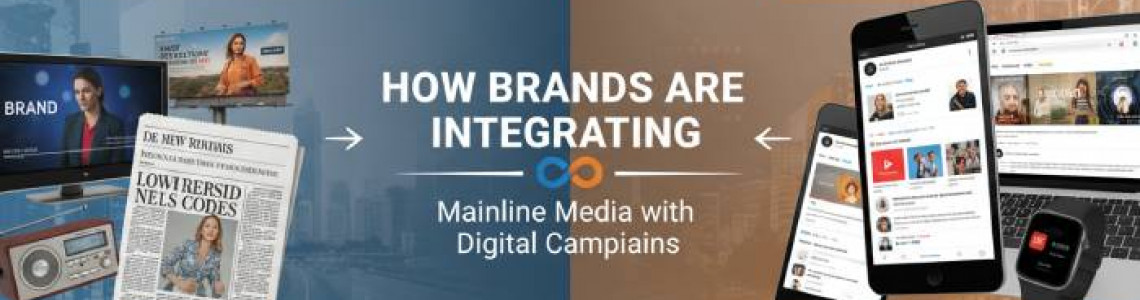
In today’s fast-paced advertising landscape, brands are no longer choosing between traditional mainline media and digital campaigns. Instead, the most successful marketers are blending these channels to create cohesive, omnichannel experiences that enhance brand visibility and engagement.
1. Why Integration Matters
Mainline media—comprising television, radio, and print—offers unparalleled reach and credibility. Digital campaigns, on the other hand, provide precision targeting, real-time analytics, and interactive engagement. By integrating the two, brands leverage the strengths of both: the broad awareness of mainline media and the measurable engagement of digital platforms.
2. Cross-Channel Storytelling
One of the most effective strategies is cross-channel storytelling. Brands craft consistent narratives across TV, radio, and print while amplifying these stories digitally through social media, programmatic ads, and email marketing. For example, a TV commercial can introduce a campaign theme, while digital channels offer extended content, behind-the-scenes footage, or interactive experiences that keep audiences engaged.
3. Synchronizing Campaign Timelines
Timing is crucial in integrated campaigns. Brands are increasingly coordinating mainline media bursts with digital promotions. A product launch might feature a prime-time TV spot, followed immediately by social media teasers, influencer endorsements, and retargeting ads. This synchronization ensures a seamless journey for consumers, from awareness to action.
4. Leveraging Data for Optimization
Digital campaigns offer rich data on audience behavior, engagement, and conversion. Brands are now using these insights to inform their mainline media strategies. For instance, TV or radio spots can be adjusted based on which demographics are engaging most online, ensuring more effective media spend and better ROI.
5. Interactive and Shoppable Experiences
Integration doesn’t just mean running parallel campaigns; it’s about creating interaction points. QR codes on print ads, social media hashtags on TV, and shoppable radio mentions are all ways brands are connecting mainline media to digital actions. These interactive elements turn passive exposure into measurable engagement.
6. Success Stories
Brands across industries are successfully adopting integrated strategies. FMCG brands use TV campaigns to highlight product launches and follow up with digital contests. Automotive companies combine print ads showcasing new models with virtual test drives online. Even retail brands are pairing radio ads with geotargeted digital offers to drive in-store visits.
7. The Future of Integrated Campaigns
As technology evolves, the integration of mainline and digital media will only deepen. AI-driven personalization, augmented reality experiences, and connected TV platforms will allow brands to deliver hyper-relevant content while maintaining the trust and reach of traditional media.
Conclusion
Integrating mainline media with digital campaigns is no longer optional—it’s essential for brands aiming to capture attention, drive engagement, and achieve measurable ROI. By combining the broad reach of TV, radio, and print with the interactivity and data-driven precision of digital marketing, brands can create campaigns that are both impactful and measurable.
Elyts Advertising and Branding Solutions | www.elyts.in (India) | www.elyts.agency (UAE)
Related Products
Leave a Comment